




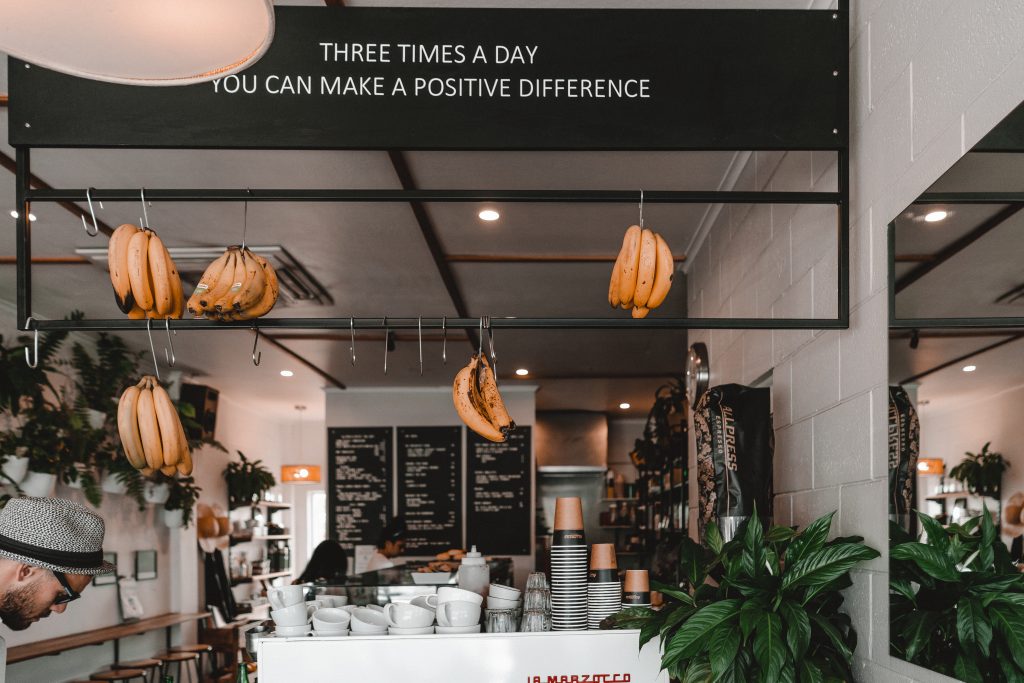
There’s something universally comforting about stepping into a beautifully designed coffee shop. The soft lighting, the aroma of freshly brewed espresso, the quiet hum of conversation—it all feels like an invitation to slow down. But beyond the caffeine kick, what makes certain cafés stand out is their aesthetic charm.
From minimalist Japanese spaces to bohemian Parisian cafés, design plays a central role in shaping how people experience coffee culture. Around the world, café owners are turning their spaces into works of art—each telling a story through architecture, texture, and atmosphere.
Let’s take a journey across continents and explore aesthetic coffee shops around the world whose designs are worth stealing—whether you’re planning your own café or simply craving creative inspiration.
1. Scandinavian Simplicity: Where Minimalism Meets Warmth:
Location Inspiration: Copenhagen, Denmark & Stockholm, Sweden.
Scandinavian coffee shops are the definition of calm. Rooted in the design principles of hygge—a Danish word meaning “cozy comfort”—these cafés create serenity through simplicity.
Key Elements of the Style:
-
Natural light: Large windows that flood the space with daylight.
-
Neutral palette: Whites, soft grays, and natural wood tones dominate the color scheme.
-
Clean lines: Simple furniture with functional, uncluttered forms.
-
Green accents: Indoor plants to add a touch of life and texture.
The vibe is fresh, balanced, and utterly peaceful. To recreate this aesthetic, focus on functionality, warmth, and a clutter-free environment. A few handcrafted ceramics or minimalist pendant lights will complete the Scandinavian look.
2. Industrial Chic: Urban Grit with Artistic Edge:
Location Inspiration: New York City, USA & Berlin, Germany.
The industrial coffee shop look has taken over modern cities—think exposed brick walls, concrete floors, and hanging Edison bulbs. It’s raw yet refined, urban yet inviting.
Key Elements of the Style:
-
Exposed materials: Brick, steel, reclaimed wood, and visible pipes or beams.
-
Open layouts: Wide spaces that encourage socializing and movement.
-
Mixed textures: Combine metal with warm wood to soften the industrial tone.
-
Ambient lighting: Use warm bulbs and vintage fixtures to create depth.
These cafés feel effortlessly cool, perfect for creative professionals and freelancers. To adapt this look, combine rugged industrial elements with modern comfort—like leather seating or reclaimed wood tables—to balance grit and warmth.
3. Japanese Minimalism: The Art of Intentional Design:
Location Inspiration: Tokyo, Japan & Kyoto, Japan
Japan’s design philosophy revolves around wabi-sabi—the beauty of imperfection and simplicity. In Japanese coffee shops, everything has a purpose. The atmosphere is quiet, meditative, and grounded in nature.
Key Elements of the Style:
-
Muted tones: Earthy browns, charcoal, and natural beige.
-
Organic materials: Bamboo, wood, paper screens, and stone surfaces.
-
Open space: Minimal clutter, with room for air and light to flow.
-
Craft focus: Baristas as artisans, often with slow-drip or pour-over setups as a focal point.
To bring this aesthetic into your café, use natural materials, clean lines, and subtle lighting. Focus on craftsmanship—the way coffee is served becomes part of the visual art.
4. Parisian Charm: Romance and Refinement:
Location Inspiration: Paris, France.
French cafés are timeless. With their round tables spilling onto cobblestone sidewalks and gold-framed mirrors reflecting soft light, Parisian coffee shops embody elegance and ease.
Key Elements of the Style:
-
Bistro furniture: Bentwood chairs, marble-top tables, and brass accents.
-
Vintage décor: Ornate mirrors, framed art, and antique lighting.
-
Soft hues: Cream, blush, navy, and muted gold.
-
Cozy corners: Intimate nooks for reading or conversation.
This aesthetic is about ambiance—inviting, romantic, and effortlessly stylish. Add classical music, vintage posters, or wall-mounted lights to create that quintessential café de Paris feel.
5. Bohemian Bliss: Creative, Cozy, and Full of Personality:
Location Inspiration: Bali, Indonesia & Tulum, Mexico.
The boho coffee shop is a haven for free spirits and artists. With layered textures, greenery, and handmade décor, it feels like stepping into a dream.
Key Elements of the Style:
-
Earthy tones: Terracotta, beige, sage green, and deep browns.
-
Natural textures: Rattan furniture, woven lampshades, and macramé wall art.
-
Plants everywhere: Hanging vines, potted palms, and dried florals.
-
Handcrafted accents: Local pottery, artisan mugs, and ethnic textiles.
Boho cafés often integrate outdoor elements—open-air layouts, bamboo walls, and sunlight filtering through canopies. This design is all about warmth, authenticity, and a laid-back vibe.
6. Mediterranean Serenity: Bright, Airy, and Effortlessly Elegant:
Location Inspiration: Santorini, Greece & Barcelona, Spain.
Mediterranean coffee shop designs bring a coastal calmness that instantly soothes the senses. They capture the beauty of seaside living—sun-kissed tones, textured walls, and breezy spaces.
Key Elements of the Style:
-
Whitewashed walls: Reflecting natural light and creating spaciousness.
-
Blue accents: Echoing the colors of the sea and sky.
-
Textured finishes: Stucco walls, terracotta floors, and stone detailing.
-
Simple décor: Linen cushions, woven baskets, and ceramic vases.
This aesthetic makes customers feel like they’re sipping coffee on a Greek terrace. To recreate it, combine cool tones with organic materials and natural light.
7. Vintage Revival: Nostalgia with Modern Flair:
Location Inspiration: London, UK & Melbourne, Australia.
Retro-inspired coffee shops blend nostalgia with modern taste. Whether it’s mid-century furniture or vinyl record corners, these cafés celebrate the charm of the past.
Key Elements of the Style:
-
Retro furnishings: 1950s chairs, patterned tiles, or colorful bar stools.
-
Decorative lighting: Globe lamps or vintage chandeliers.
-
Mix and match: Combine old-world accents with modern minimalism.
-
Playful details: Old posters, typewriters, or classic jazz vinyls.
The result? A café that feels both familiar and fresh—a cozy retreat that sparks conversation and memories.
8. Tropical Escape: Bright, Lush, and Invigorating:
Location Inspiration: Honolulu, Hawaii & Manila, Philippines.
Tropical coffee shops are vibrant and full of life. They’re designed to energize, using bold colors and abundant greenery to create an exotic escape.
Key Elements of the Style:
-
Lush plants: Ferns, palms, and monstera leaves everywhere.
-
Bright palettes: Coral, turquoise, and yellow accents.
-
Breezy layout: Open spaces, natural ventilation, and rattan décor.
-
Artisanal touches: Patterned tiles, handwoven textiles, and tropical murals.
Perfect for beach towns or sunny cities, this style celebrates warmth, relaxation, and nature’s beauty.
9. Futuristic Minimalism: Clean Lines for the Modern Era:
Location Inspiration: Seoul, South Korea & Singapore.
If innovation had a design style, it would look like these futuristic cafés. Sleek and sophisticated, they attract young, tech-savvy crowds who appreciate precision and modern aesthetics.
Key Elements of the Style:
-
Monochromatic tones: White, silver, or gray with metallic accents.
-
Geometric furniture: Bold shapes and seamless finishes.
-
Smart lighting: LED strips, floor lights, or adjustable ambiance.
-
Tech integration: Digital menus, touchless ordering, and smart coffee machines.
This aesthetic speaks to efficiency and forward thinking—a perfect fit for urban coffee brands positioning themselves as trendsetters.
10. Bringing It Home: Designing Your Own Signature Café Style:
Whether you draw inspiration from a cozy Scandinavian café or a colorful tropical lounge, the key is authentic storytelling. Aesthetics are not just about beauty—they’re about emotion.
Ask yourself:
-
What do I want my customers to feel?
-
What story do I want my space to tell?
-
Which materials, textures, or colors reflect my brand values?
Blend ideas from different global inspirations to create something uniquely yours. Combine Japanese minimalism with Parisian warmth, or add Scandinavian simplicity to a bohemian layout.
The best coffee shop designs don’t copy—they reinterpret.
Final Sip: Design That Inspires and Connects:
A beautiful café doesn’t just serve coffee—it creates experiences. Around the world, aesthetic coffee shops are redefining how design shapes emotion, culture, and community.
Whether it’s the minimal calm of Tokyo or the coastal light of Santorini, each space reminds us that design is a universal language—one that speaks directly to the heart.