Behind the Beans: How Halal Coffee Shop Owners Are Changing the Café Scene:

Coffee is more than just a beverage — it’s a ritual, a story, and, increasingly, a movement. Across the world, Muslim entrepreneurs are brewing up something extraordinary: cafés that blend faith, ethics, and innovation into the fabric of modern coffee culture. These Halal coffee shop owners aren’t simply opening cafés; they’re reshaping the global café scene, one cup at a time.
From ethical sourcing to inclusive spaces, their approach goes beyond profit. It’s about purpose, community, and values — a reminder that coffee can be both delicious and deeply meaningful.
A New Kind of Coffee Culture:
Mainstream coffee culture has often been associated with modernity, luxury, and creativity — but rarely with faith. That’s changing. A growing number of Muslim-owned cafés are challenging the notion that religious values and contemporary business can’t coexist.
The result? A new generation of cafés that embody the principles of Halal living: honesty, fairness, cleanliness, and mindfulness. These values translate beautifully into the café experience — influencing not only what’s served but how it’s sourced, brewed, and shared.
“Halal isn’t just about what goes into the cup,” says Ahmad Yusuf, founder of Roastery of Ihsan in Dubai. “It’s about how we treat people, how we trade, and how we care for the planet.”
This mindset has given rise to a global Halal coffee movement, built on integrity, sustainability, and inclusivity.
Ethical Sourcing: Coffee with a Conscience:
Many Halal coffee shop owners are at the forefront of ethical sourcing — ensuring that every bean tells a story of fairness and respect. From Indonesia’s volcanic slopes to the highlands of Yemen and Ethiopia, Muslim entrepreneurs are forging direct relationships with farmers who share their values.
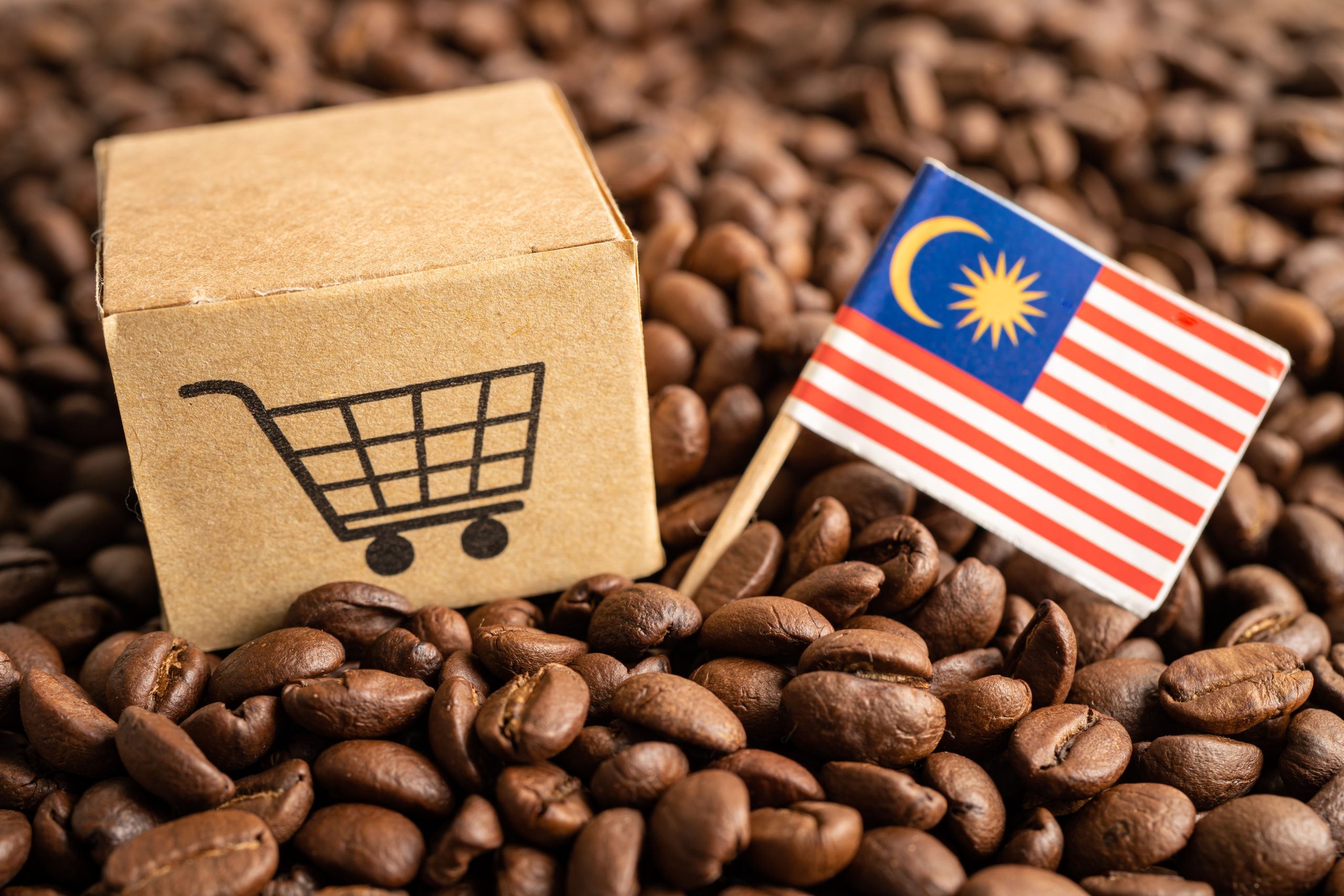
Take Brew & Barakah in Malaysia, founded by Aisha Rahman. The café sources beans exclusively from smallholder Muslim farmers, paying above-market rates to ensure sustainable livelihoods.
“We want to make sure everyone in the chain — from farmer to barista — is treated with dignity,” Aisha explains. “That’s what Halal business is all about.”
By prioritizing fair trade and transparency, these cafés are proving that faith-driven business can lead the way in sustainable coffee production.
Creating Faith-Inspired, Inclusive Spaces:
Step into a Halal café, and you’ll notice something different right away. The atmosphere is calm, welcoming, and mindful. There’s often a quiet corner for prayer, a family-friendly environment, and a commitment to modesty and respect. Yet, these spaces aren’t exclusive to Muslims — they’re open to all.
In London, The Faithful Bean, founded by sisters Sara and Huda Ahmed, has become a creative hub for young professionals of all backgrounds. The café hosts interfaith events, art exhibits, and poetry nights.
“We didn’t want to build a ‘Muslim-only’ café,” says Sara. “We wanted a space that reflects our values but welcomes everyone — a space where conversations about culture, ethics, and creativity can happen freely.”
Through this inclusive model, Halal cafés are breaking stereotypes and building bridges — redefining what community cafés can look like in multicultural cities.
Sustainability as a Spiritual Duty:
Environmental sustainability is at the core of Islamic ethics — the Qur’an emphasizes humans as stewards (khalifah) of the Earth. Many Halal café owners take this responsibility seriously, integrating eco-conscious practices into every part of their business.
Qahwa & Co. in Dubai, for example, has adopted a zero-waste policy, offering discounts to customers who bring their own cups and using biodegradable packaging. In Toronto, Sippin’ Sunnah uses locally roasted beans, solar-powered brewing systems, and compostable utensils.
“Sustainability isn’t a trend for us,” says founder Nadia Khan. “It’s a religious and moral obligation.”
This eco-ethical mindset resonates deeply with younger consumers — Muslim and non-Muslim alike — who want to support brands that care about the environment. In many ways, Halal cafés are leading the way in ethical, planet-friendly hospitality.
Empowering Communities Through Coffee:
Halal coffee shop owners are also turning their businesses into platforms for social impact. From providing job opportunities to supporting local charities, these cafés view success as a form of community service (khidmah).
In Chicago, Grounded in Deen, owned by Bilal and Amira, donates a portion of every sale to fund community youth programs and local food drives. In Malaysia, Brew & Barakah hosts free business workshops for aspiring entrepreneurs.
“We see our café as part of the ummah,” Amira explains. “If our business doesn’t uplift others, it’s incomplete.”
These efforts prove that running a Halal café is not just about serving good coffee — it’s about brewing empowerment, compassion, and opportunity.
Women at the Helm of the Halal Coffee Revolution:
One of the most inspiring shifts in the Halal café movement is the rise of Muslim female entrepreneurs who are taking leadership roles in the industry. From Kuala Lumpur to London, these women are breaking barriers and reshaping both business and culture.
At Sip Salaam in the UK, founder Layla Hassan collaborates with refugee women to produce handcrafted pastries and Halal desserts sold alongside her ethically sourced coffee. Meanwhile, in Dubai, Fatima Al-Harbi’s Qahwa & Co. has become a training ground for young female baristas, offering workshops on entrepreneurship and leadership.
“Islam empowers women to lead with integrity,” Fatima says. “Our cafés are proof that modesty and ambition can go hand in hand.”
Their success stories not only challenge stereotypes but also inspire a new generation of Muslim women to see entrepreneurship as a path to purpose and independence.
The Barista’s Journey: Craftsmanship Meets Faith:
Behind every cup of coffee lies a story of craftsmanship — and in Halal cafés, this craft takes on spiritual meaning. Baristas approach their work as an act of ihsan (excellence), striving to perfect each cup with care and gratitude.
In Kuala Lumpur’s Brew Hijrah, barista-turned-owner Nurul Fadilah trains her staff to view coffee-making as a form of mindfulness.
“Every pour, every design, every smile — it’s a reflection of your character,” Nurul says. “When you make coffee with intention, it becomes a form of worship.”
This spiritual approach to craftsmanship gives the Halal café scene its unique soul — transforming an everyday act into a moment of reflection and gratitude.
Redefining the Global Café Scene:
Halal coffee shops are no longer niche — they’re shaping global café culture. Their blend of faith-driven ethics, modern design, and sustainability is attracting a diverse customer base and inspiring even non-Muslim cafés to adopt similar values.
In many cities, these cafés are part of larger Halal lifestyle movements, connecting to fashion, wellness, and ethical business initiatives. The result is a café scene that feels both deeply rooted and forward-looking — global in outlook, but local in care.
“We’re not trying to compete,” says Ahmad Yusuf from Dubai. “We’re trying to contribute — to build a café culture that serves people and the planet, not just profits.”
Conclusion: A New Brew for a New Era:
Behind the beans, a quiet transformation is taking place. Muslim coffee entrepreneurs are showing the world that success doesn’t require sacrificing values — in fact, it’s strengthened by them.
Through fair trade, sustainability, community outreach, and faith-centered leadership, Halal coffee shop owners are not just changing the way we drink coffee — they’re changing the way we think about business itself.
Each cup they pour carries more than caffeine; it carries a message — that ethics, empathy, and excellence can coexist in harmony. And as the aroma of freshly brewed coffee fills the air from Kuala Lumpur to Chicago, one thing is clear: the future of the café scene is not just about coffee — it’s about consciousness.