Beyond the Brew: How Coffee Shops Create Community During Ramadan:


The month of Ramadan is a time for spiritual reflection, fasting, prayer, and community bonding. While many associate Ramadan with spiritual and religious practices, it’s also a time for communal gatherings and shared moments of joy. Coffee shops, often seen as hubs of social activity, play a significant role during this time by offering more than just coffee – they provide a space where people can come together, share meals, connect with others, and reflect on the essence of the month. Through extended hours, special menus, and community-driven initiatives, coffee shops become much more than places to grab a quick drink; they transform into community cornerstones that bring people together during this sacred month.
1. Welcoming Atmosphere for Iftar and Suhoor:
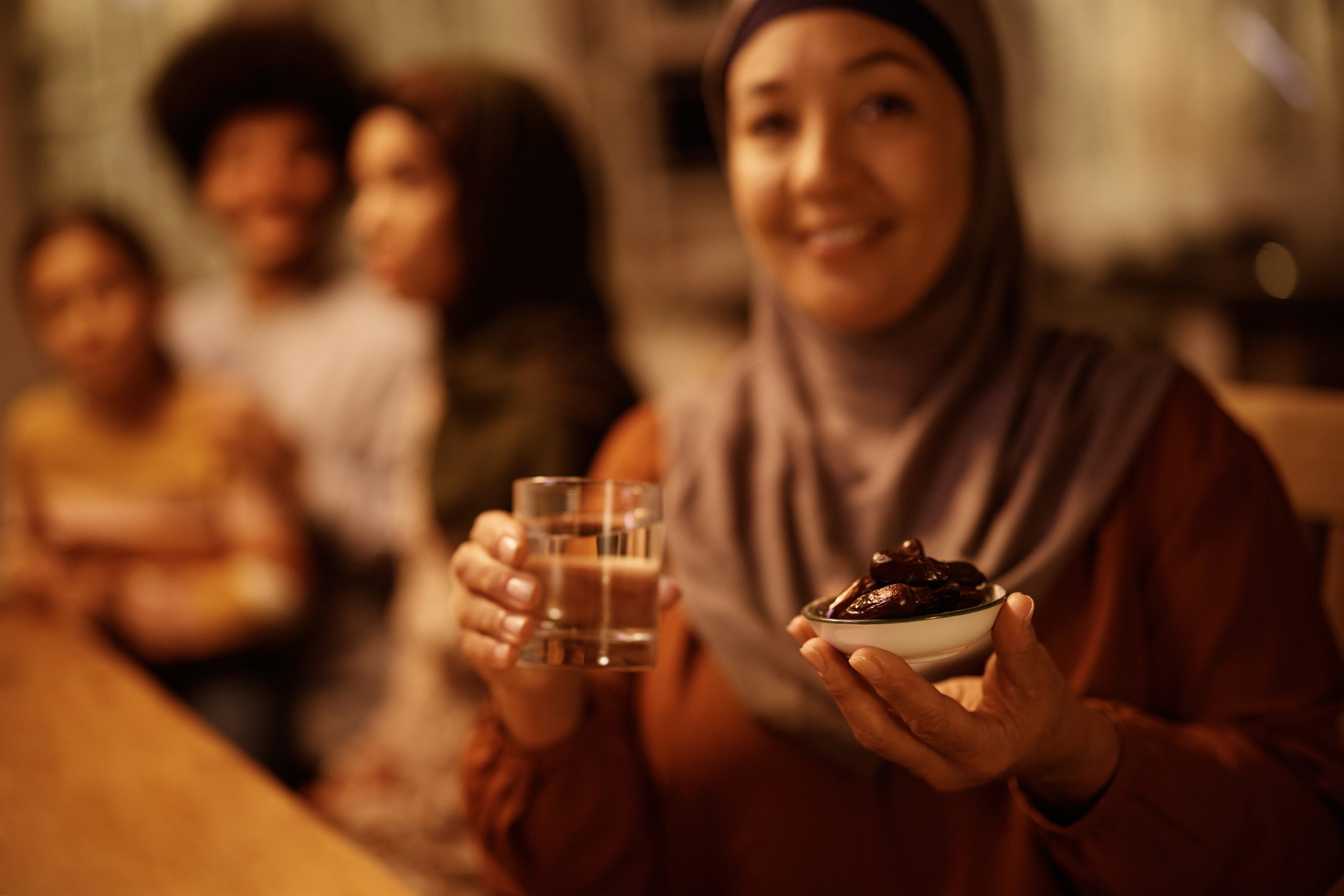
One of the most prominent ways coffee shops foster community during Ramadan is by providing a welcoming environment for Iftar – the evening meal that breaks the fast. During Ramadan, many coffee shops extend their operating hours, staying open later into the night, so patrons can enjoy their first meal after sunset. For instance, popular cafes like Qamaria Yemeni Coffee and Elaichi Co. host special evening events where guests can gather to break their fast in a cozy, communal setting.
These coffee shops often offer iftar buffets or à la carte menus featuring traditional foods, such as dates, hummus, lentil soups, and hearty grilled meats. The act of sharing these meals encourages social interaction and provides a sense of belonging. The ambiance is often filled with warm, inviting aromas and soothing music, making it a perfect place for individuals and families to come together and celebrate this sacred time.
Similarly, some cafes also offer Suhoor meals before dawn, providing early risers with an opportunity to fuel up for the day ahead in the company of others. This creates a sense of togetherness, as people come together to enjoy a hearty meal and prayer before the fasting day begins.
2. Community-Focused Events and Gatherings:
During Ramadan, coffee shops are more than just places to sip on a latte; they serve as venues for community events, gatherings, and celebrations. Many coffee shops organize special events to bring people together in a spirit of camaraderie and support. These can include charity drives, live performances, story-sharing sessions, and even community dinners.
One example of a coffee shop fostering community is Sana’a Café in Mountain View, which holds a weekly “Community Iftar” event. The café provides a meal to anyone who wants to attend, regardless of whether they are fasting, creating an open environment where individuals from all walks of life can come together. These events often include special guest speakers or activities aimed at educating attendees about the significance of Ramadan and encouraging cross-cultural dialogue.
Some coffee shops also partner with local organizations or mosques to host fundraising events for charitable causes. This aligns with the spirit of giving during Ramadan, a time when Muslims are encouraged to be more charitable and mindful of those in need. In this way, coffee shops become more than just places to enjoy a cup of coffee – they become centers of positive social impact.
3. Special Ramadan Menus and Unique Offerings:
Ramadan offers coffee shops the opportunity to create special menus tailored to the tastes and needs of their community during this sacred month. By offering unique Ramadan-inspired beverages, snacks, and desserts, coffee shops not only enhance the festive atmosphere but also cater to the tastes of their diverse clientele.
For instance, Starbucks Malaysia introduces seasonal Ramadan drinks such as the “Bubur Lambuk Latte” or the “Date and Coffee Frappe.” These beverages combine traditional flavors of dates, coconut, and spices with modern coffee drink trends, creating a perfect fusion of cultures. By incorporating ingredients associated with Ramadan, coffee shops offer a sensory experience that allows customers to celebrate the month in a new and exciting way.
Beyond drinks, many cafes offer special desserts, such as rosewater cakes, baklava, or date-filled pastries. These sweet treats are perfect for sharing after Iftar, and they provide an added element of tradition and celebration. Many coffee shops also experiment with non-caffeinated beverages like mint tea, fruit juices, and rosewater lemonade to accommodate those observing the fast and to add variety to the Ramadan menu.
4. Charity and Giving Back:
Ramadan is a time of self-reflection, charity, and giving. Many coffee shops seize this opportunity to align with the values of Ramadan by creating programs that give back to the community. Whether it’s through donating a portion of their sales to charity, organizing food drives, or offering free meals to those in need, coffee shops actively contribute to the spirit of generosity that defines Ramadan.
For example, some coffee shops, such as Luxor Café in Cambridge, offer “Pay What You Can” programs during Ramadan. This allows customers to pay for their meals according to their ability, with some customers opting to pay for an extra meal to be given to someone less fortunate. By creating a space for those who may be struggling financially, coffee shops foster a spirit of inclusivity and help ensure that no one is left behind during this holy month.
5. Cultural Celebrations and Cross-Cultural Connections:
While coffee shops are often associated with a specific regional or cultural identity, during Ramadan, they become cultural crossroads where diverse communities can come together to learn from one another. This is particularly significant in cosmopolitan cities, where coffee shops cater to a broad spectrum of cultural backgrounds.
By embracing the traditions of Ramadan in their menus and events, coffee shops create an inclusive space for everyone to experience and appreciate the richness of Islamic culture. For example, Elaichi Co. in Berkeley has embraced the diverse nature of its local community by offering traditional chai drinks alongside Ramadan-inspired desserts and encouraging guests from different backgrounds to join in the celebrations. These spaces become melting pots of culture, where individuals can engage in meaningful conversations, learn about each other’s traditions, and celebrate the shared values of community and compassion.
Some coffee shops also go a step further by offering educational programming or storytelling events where patrons can learn about the significance of Ramadan and its practices. This not only enriches the cultural fabric of the community but also strengthens interfaith dialogue and mutual understanding.
6. Coffee Shops as Gathering Spaces for Reflection and Connection:
In addition to offering food and beverages, coffee shops provide an atmosphere conducive to reflection, prayer, and spiritual connection during Ramadan. Many cafes offer prayer spaces or quiet corners where customers can take a moment to pause, reflect, and pray. This is particularly important in urban areas where access to mosques or prayer halls may be limited. By offering this service, coffee shops allow patrons to stay connected to their faith even as they go about their day.
Additionally, coffee shops often become places for individuals to connect with like-minded people. Whether through informal conversations over a cup of coffee or organized meet-ups and events, coffee shops help create a sense of belonging during Ramadan. These connections often extend beyond Ramadan, creating long-lasting friendships and networks of support within the community.
7. Creating a Comfortable Space for Everyone:
Above all, coffee shops create a welcoming and inclusive space where people of all faiths and backgrounds can come together. By embracing the values of hospitality and warmth that are central to Ramadan, coffee shops foster a sense of unity and togetherness. They become more than just places to grab a quick drink; they become spaces where individuals can forge meaningful connections, share stories, and create memories during one of the most important months of the year.