Beyond the Menu: How to Tell if a Coffee Shop Truly Respects Halal Values:
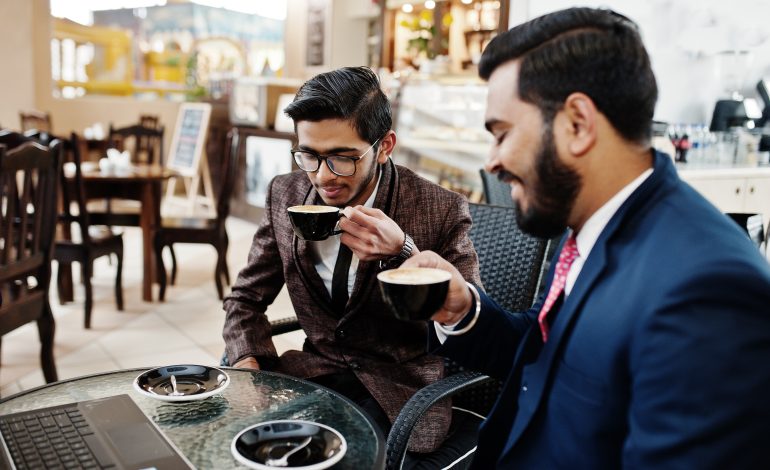

In today’s global coffee culture, cafés are more than places to grab a drink — they’re symbols of lifestyle, ethics, and community. But for Muslim customers, there’s one question that goes deeper than flavor or décor: Does this café truly respect Halal values?
Halal isn’t just about avoiding alcohol or pork; it’s a holistic concept rooted in integrity, purity, and fairness. While many coffee shops advertise Halal food or drinks, not all genuinely uphold the ethical and spiritual principles that make something truly Halal.
This article explores what lies beyond the menu — the invisible markers of authenticity, ethics, and respect that distinguish a truly Halal-conscious café from one that simply uses the label for marketing appeal.
1. The True Meaning of “Halal” in a Café Context:
Halal literally means “permissible,” but in Islam, it encompasses much more than food ingredients. It’s about how something is produced, served, and earned — the entire process from bean to brew.
A coffee shop that respects Halal values ensures that:
Every ingredient is free from alcohol, non-Halal animal derivatives, or contamination.
The preparation and serving process maintain cleanliness (taharah).
Business ethics reflect honesty, fairness, and social responsibility.
The environment fosters respect, modesty, and inclusivity.
“Halal is not a label — it’s a lifestyle,” says Ahmad Yusuf, owner of Roastery of Ihsan in Dubai. “If your coffee is Halal but your ethics are not, something’s missing.”
So how can you tell if a café actually embodies these principles?
2. Ingredient Integrity: What’s Really in That Cup?
The easiest way to start evaluating a café’s Halal authenticity is to look beyond the coffee beans and check the hidden ingredients that go into your drink or dessert.
a) Flavor Syrups and Toppings:
Many syrups and flavorings use alcohol-based solvents or extracts. For example, some vanilla or caramel syrups contain traces of ethanol. A Halal-conscious café will:
Use Halal-certified syrups (such as select Monin or Torani lines).
Be transparent about their ingredient brands.
Label syrups or menu items as “Halal-certified” or “alcohol-free.”
b) Milk, Creamers, and Whipped Cream:
Some creamers or toppings may contain gelatin or animal-derived emulsifiers. Authentic Halal cafés often:
Choose vegetarian or plant-based alternatives.
Source from certified Halal suppliers.
c) Desserts and Snacks:
Even seemingly innocent pastries can include wine flavorings, shortening, or non-Halal gelatin. A genuine Halal café either bakes in-house under supervision or partners with Halal-certified bakeries.
Tip: A transparent café won’t hesitate to show you ingredient packaging or certification details. Openness signals authenticity.
3. The Environment Test: Alcohol, Ambience, and Respect:
A Halal café experience goes far beyond ingredients — it extends to atmosphere and ethics.
a) Alcohol Policy:
A coffee shop that serves alcohol, even if its coffee is Halal, cannot be considered fully Halal-compliant. Many mainstream cafés in Western cities sell wine or liqueur desserts, which compromises Halal integrity.
A true Halal café will:
Avoid serving or storing alcohol on premises.
Keep the environment free from alcohol promotions or imagery.
b) Modesty and Ambience:
While Halal doesn’t demand a specific design style, it promotes modesty, cleanliness, and respect.
Look for:
Soft, non-offensive background music.
Clean interiors and modest décor.
Family-friendly seating and welcoming service.
Some Halal cafés even provide prayer spaces or nearby mosque information — a thoughtful gesture that reflects cultural respect.
c) Inclusivity and Adab (Manners):
Staff behavior also matters. A Halal-conscious café ensures politeness, gender respect, and fairness to all guests — Muslim or not. The Islamic principle of adab (good conduct) should shine through customer interactions.
4. Ethical Sourcing: The Spirit of Halal Economics:
True Halal extends into how a business earns its income and treats others along the supply chain.
a) Fair Trade and Transparency:
A Halal-minded café supports fair wages for farmers, ethical sourcing, and sustainable production — aligning with Islamic principles of justice (adl) and balance (mizan).
“If our beans come from exploitation, they’re not truly Halal,” says Nurul Fadilah, founder of Brew Hijrah in Malaysia. “Halal means clean in every sense — spiritually and socially.”
b) Eco-Friendly Practices:
Many modern Muslim cafés adopt sustainability measures such as:
Compostable cups and utensils.
Energy-efficient operations.
Local sourcing to reduce carbon footprint.
These actions echo Islam’s call for environmental stewardship (khalifah fi al-ard).
c) Financial Integrity:
Earning through honest means — avoiding deception, usury (riba), or unethical marketing — is also a part of Halal business. When you support such cafés, you participate in an economy of integrity.
5. Certification: Symbol or Substance?
Halal certification is a valuable tool — but not a guarantee of holistic Halal values.
a) The Role of Certification:
Certified Halal cafés are verified by recognized authorities like:
JAKIM (Malaysia).
HFA (UK).
IFANCA (USA).
MUI (Indonesia).
ESMA (UAE).
Certification ensures ingredients, storage, and preparation meet Islamic standards. However, it doesn’t always assess business ethics or ambience.
b) Self-Declared Halal:
Many small Muslim-owned cafés operate on self-declaration. While not officially certified, they may still maintain excellent Halal integrity. The key is transparency — are they open about where ingredients come from and what standards they follow?
c) How to Verify:
You can cross-check certification numbers using online databases or apps such as:
HalalTrip and Zabihah (global directories).
Halal Navi (Asia).
National certification portals (like Halal.gov.my or Halal.go.id).
6. Customer Transparency and Community Engagement
A coffee shop that truly respects Halal values will go the extra mile to educate and engage its community.
Signs of genuine engagement include:
Publicly displaying Halal certificates or supplier lists.
Hosting community events during Ramadan or Eid.
Donating a portion of profits to charitable causes.
Promoting awareness about ethical consumption.
These efforts show that the café doesn’t treat Halal as a marketing label but as a mission of service.
“Halal cafés should feel like safe spaces — spiritually and socially,” says Layla Hassan, founder of Sip Salaam in London. “We exist to serve with sincerity, not just sell coffee.”
7. The Customer’s Role: How You Can Support True Halal Businesses:
As consumers, Muslims share responsibility for promoting authentic Halal practices. Here’s how you can contribute:
Ask questions respectfully. Transparency encourages accountability.
Leave honest reviews on apps and social media — mention Halal certification, alcohol policy, and atmosphere.
Support Muslim-owned and ethical cafés even if they’re smaller or lesser-known.
Share knowledge — recommend verified Halal cafés to friends and family.
Give feedback if you notice issues. Many owners appreciate constructive advice.
Your actions help strengthen the global Halal café network — and empower ethical entrepreneurs worldwide.
8. Red Flags: When a Café’s Halal Claims Don’t Add Up:
Be cautious if you notice:
Alcohol bottles or cocktail items on display.
“Halal-style” claims without certification or transparency.
Ambiguous answers from staff when asked about ingredients.
Desserts or drinks with “rum,” “liqueur,” or “wine flavor.”
Poor hygiene or disrespectful conduct — both contradict Halal ethics.
When in doubt, remember the Prophet Muhammad ﷺ’s advice:
“Leave what makes you doubt for what does not make you doubt.” (Tirmidhi)
9. Global Examples of Halal-Conscious Cafés:
Around the world, a growing number of Muslim entrepreneurs are redefining what Halal cafés look like:
Grounded in Deen (Chicago, USA): Family-run café promoting ethical sourcing and community service.
Brew & Barakah (Kuala Lumpur, Malaysia): Focused on sustainability and faith-based entrepreneurship.
Qahwa & Co. (Dubai, UAE): Blends Arabic coffee tradition with eco-friendly innovation.
The Faithful Bean (London, UK): Promotes modest, inclusive café culture and Halal desserts.
These cafés prove that respecting Halal values doesn’t mean limiting creativity — it means infusing business with purpose.
10. Conclusion: Halal Is a Promise, Not a Marketing Tag:
A coffee shop that truly respects Halal values doesn’t just serve coffee — it serves trust. It’s about ethical sourcing, spiritual mindfulness, and a sincere commitment to community wellbeing.
As Muslim consumers become more discerning, the future of coffee culture lies not in trendy flavors, but in transparent values.
So next time you sip your latte, look beyond the latte art and menu board. Observe the ethics, feel the environment, and ask the right questions. Because Halal isn’t just about what you drink — it’s about what you believe in.
And when faith meets flavor in harmony, that’s when your coffee truly becomes a cup of barakah — a blessing in every sip.