Brewing Community: How Halal Coffee Festivals Are Bringing Muslims Together:

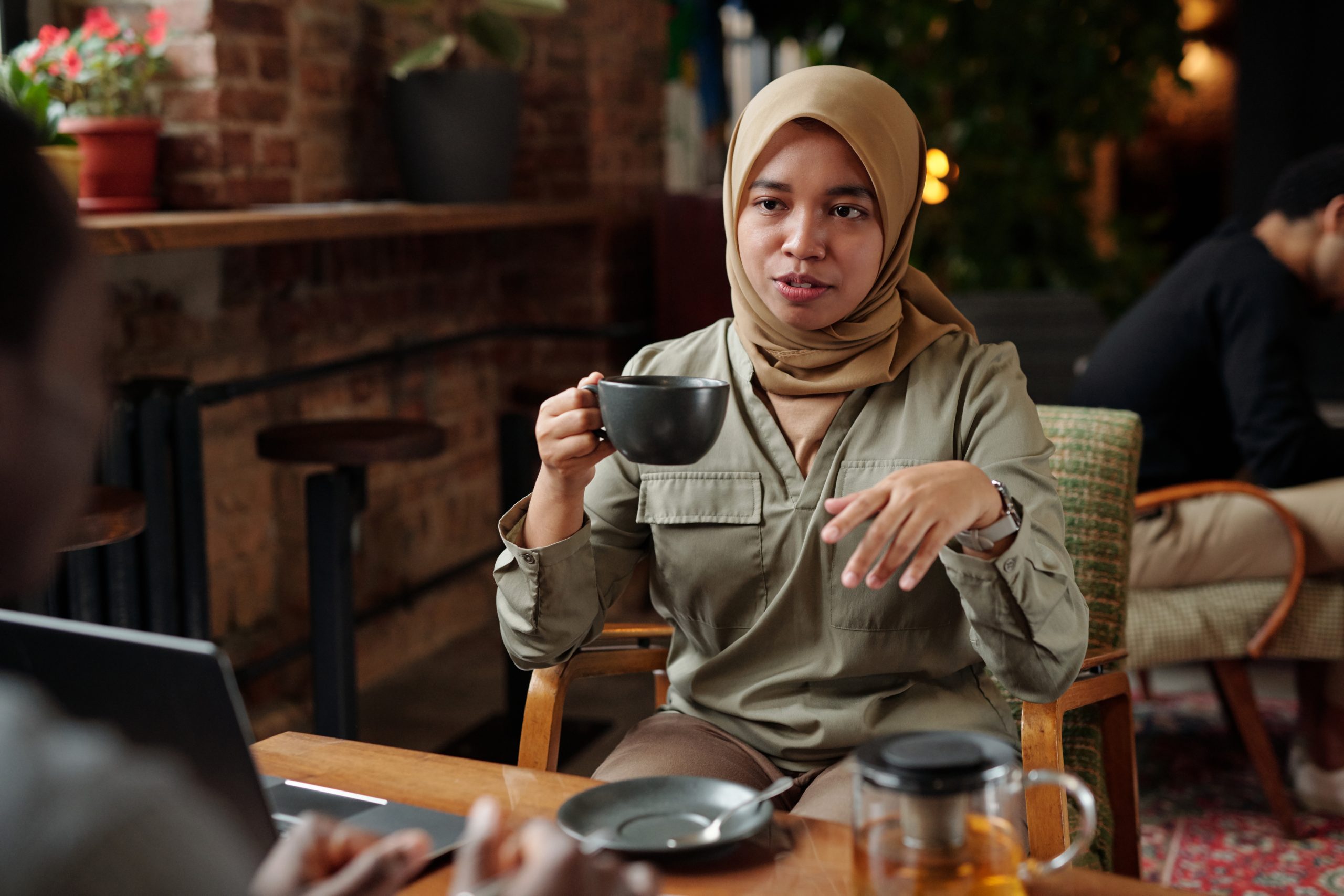
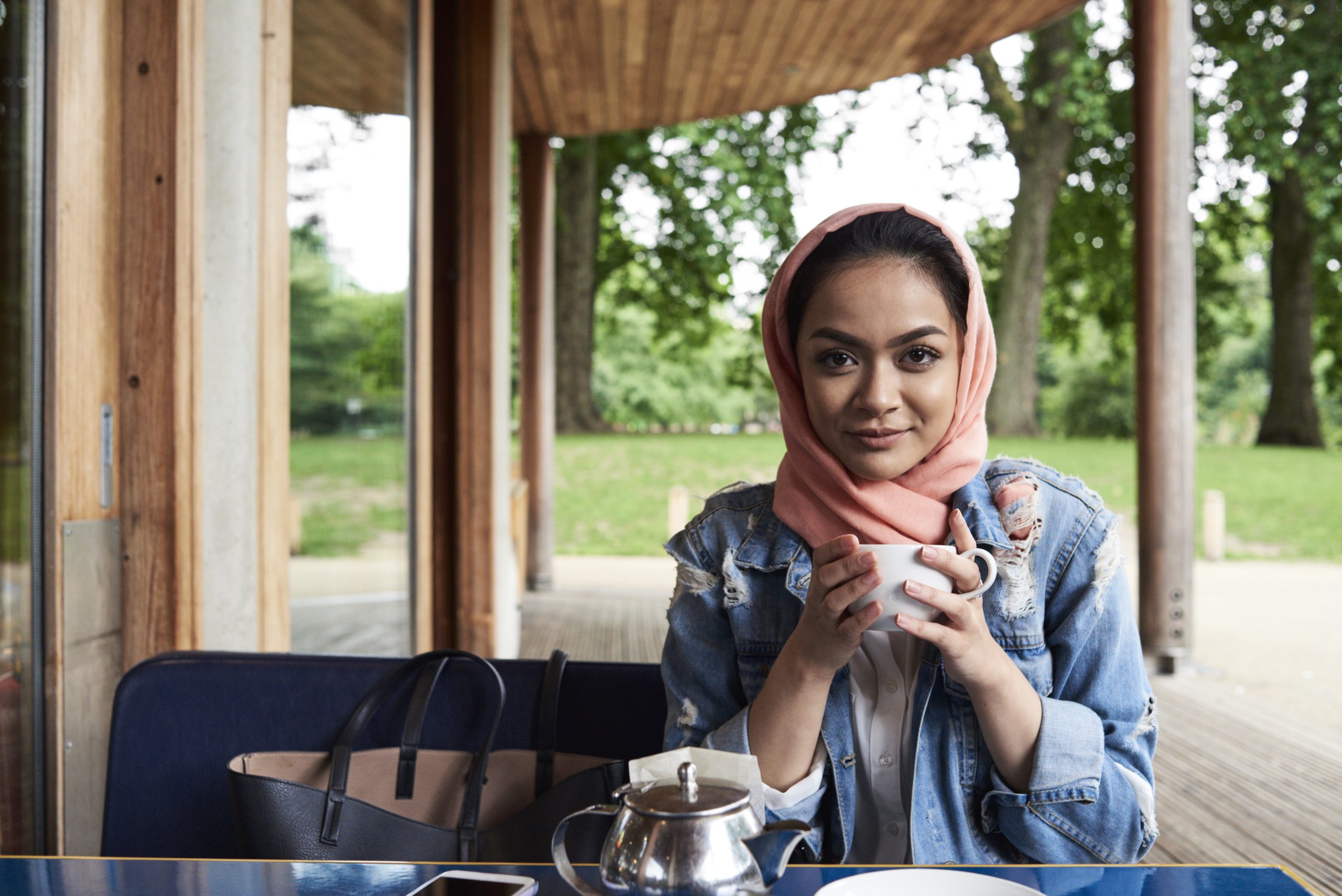
Coffee has always been more than a beverage. It’s a ritual, a conversation starter, and, in many cultures, a symbol of hospitality and connection. For Muslims around the world, the emerging trend of Halal Coffee Festivals represents something even deeper — a way to bring faith, community, and culture together in one cup.
These festivals are more than just events about coffee; they are celebrations of identity, ethics, and shared values. Across major cities from Kuala Lumpur to London, Muslims are gathering over ethically sourced brews and Halal-certified delicacies, rediscovering both their heritage and their sense of belonging.
The Roots of Coffee and Faith:
Coffee has Islamic roots that trace back centuries. The earliest records of coffee drinking come from Yemen in the 15th century, where Sufi mystics used the beverage to stay awake during night prayers and meditation. The word “qahwa,” meaning coffee in Arabic, originally referred to a drink of spiritual significance — something that nourished both body and soul.
As coffee spread through the Ottoman Empire and into Europe, it carried with it a tradition of community, hospitality, and reflection. The world’s first coffeehouses, known as qahveh khaneh, were places where people gathered to exchange ideas, debate philosophy, and share news — much like today’s Halal Coffee Festivals.
Now, centuries later, that same sense of connection is being revived — this time through modern events that reflect both global coffee culture and Islamic ethical principles.
What Makes a Coffee Festival ‘Halal’?
A Halal Coffee Festival is about more than just labeling — it’s about values. These events are designed to create spaces that Muslims can fully enjoy while remaining true to their faith.
Here’s what typically defines a Halal Coffee Festival:
Halal-certified food and drinks, ensuring all ingredients meet Islamic dietary guidelines.
No alcohol or non-Halal additives in any beverages or products.
Prayer spaces and family zones, accommodating the spiritual and social needs of visitors.
Ethical sourcing, fair trade practices, and sustainability — values aligned with Islamic teachings on justice and stewardship of the Earth.
Inclusivity, welcoming non-Muslims to join, learn, and celebrate cultural diversity.
The result is an environment where Muslims from different backgrounds can connect — whether they’re café owners, roasters, students, or families — over a shared appreciation for good coffee and good company.
A Gathering Ground for Muslim Entrepreneurs:
One of the most empowering aspects of Halal Coffee Festivals is the spotlight they shine on Muslim entrepreneurs.
Across the globe, Muslim-owned cafés and roasteries are redefining what it means to participate in the coffee industry. Many of these business owners use the festivals as a platform to launch new products, build collaborations, and share their stories.
At events like the Kuala Lumpur Coffee Festival or the Toronto Halal Coffee Fair, you’ll find Muslim women leading specialty coffee brands, eco-conscious roasters promoting fair trade, and innovative baristas experimenting with traditional flavors — like cardamom, saffron, or dates — to create a uniquely Islamic coffee experience.
These festivals are not just markets — they’re ecosystems of empowerment, fostering mentorship, education, and community growth.
Faith in Every Cup: The Spiritual Side of Coffee:
At its core, coffee has always been intertwined with spirituality. For Muslims, the act of sharing coffee often carries a sense of gratitude, mindfulness, and intention.
Halal Coffee Festivals revive this sentiment by bringing together people who see coffee not as a luxury, but as a reminder of connection — to God, to nature, and to each other. Many events open with duas (prayers) or feature panel discussions about ethical consumption in Islam.
Visitors are encouraged to reflect on questions like:
How does faith influence our daily choices, even in something as simple as a cup of coffee?
What does it mean to support fair-trade farmers as part of our responsibility (amanah)?
How can food and drink become acts of gratitude and community service?
By intertwining spirituality with social engagement, these festivals nurture a sense of ummah — a shared Muslim community grounded in compassion and ethics.
A Cultural Revival Through Coffee:
Halal Coffee Festivals are not only spiritual but also cultural celebrations. They honor the rich history of Muslim contributions to coffee and reintroduce traditional brewing methods to younger generations.
At many events, you’ll find demonstrations of:
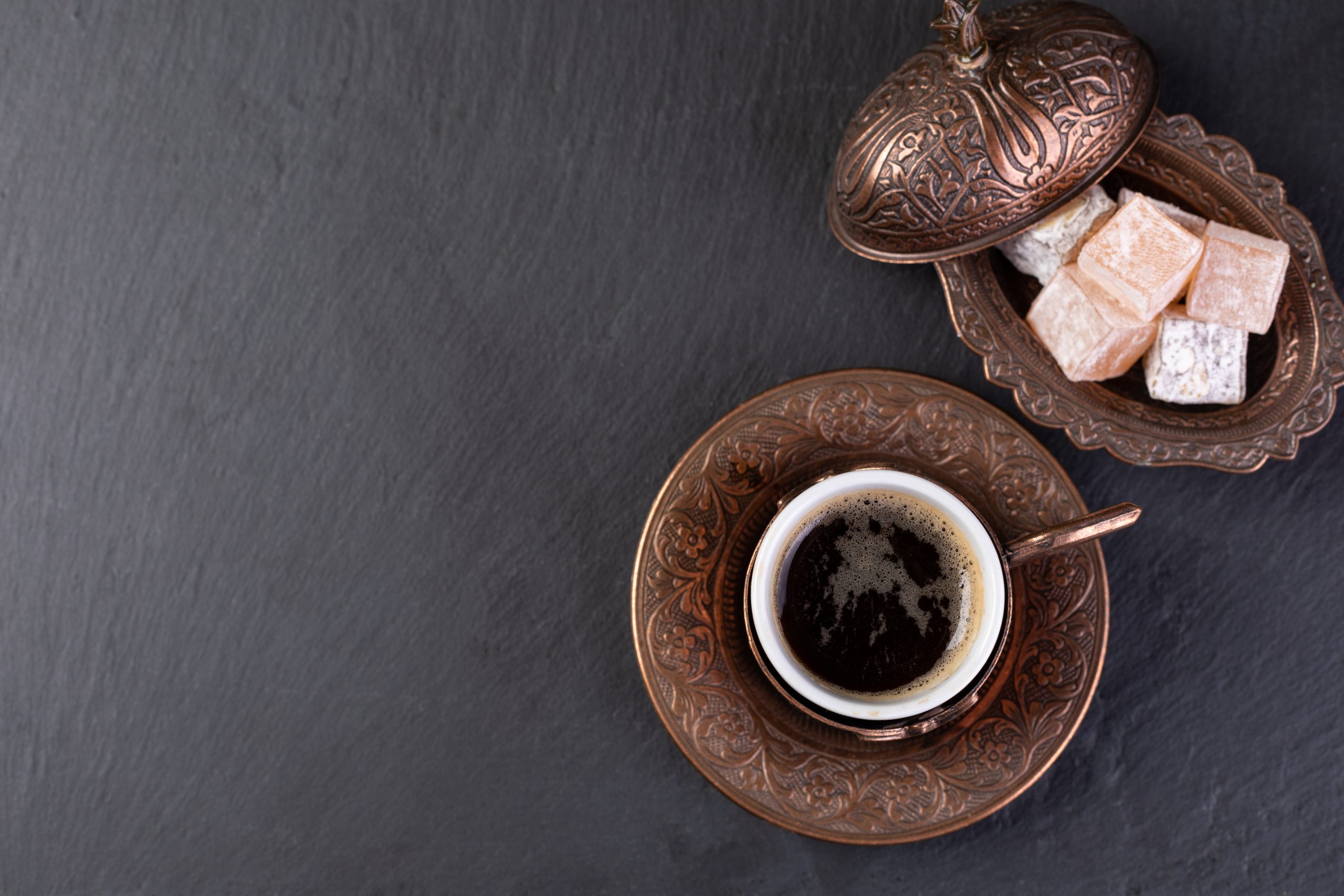
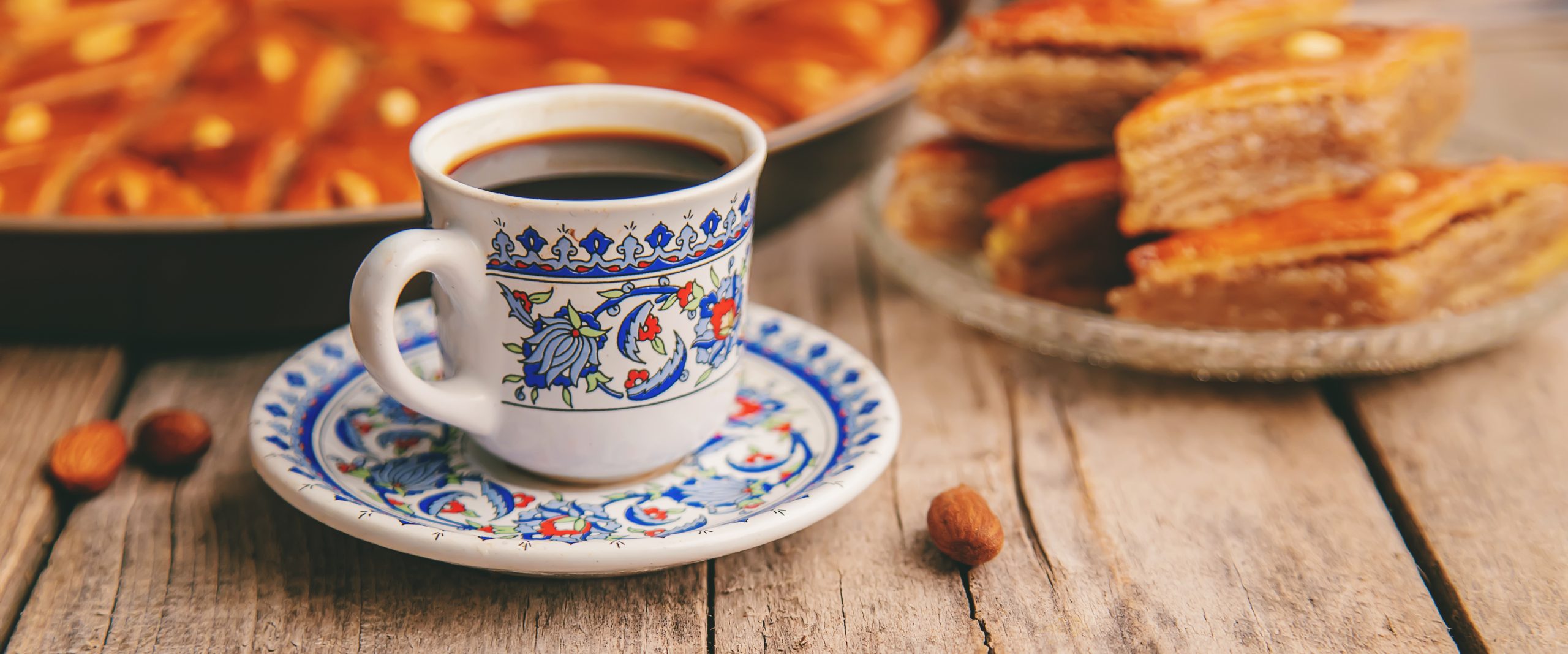
Turkish coffee rituals brewed in copper cezve pots.
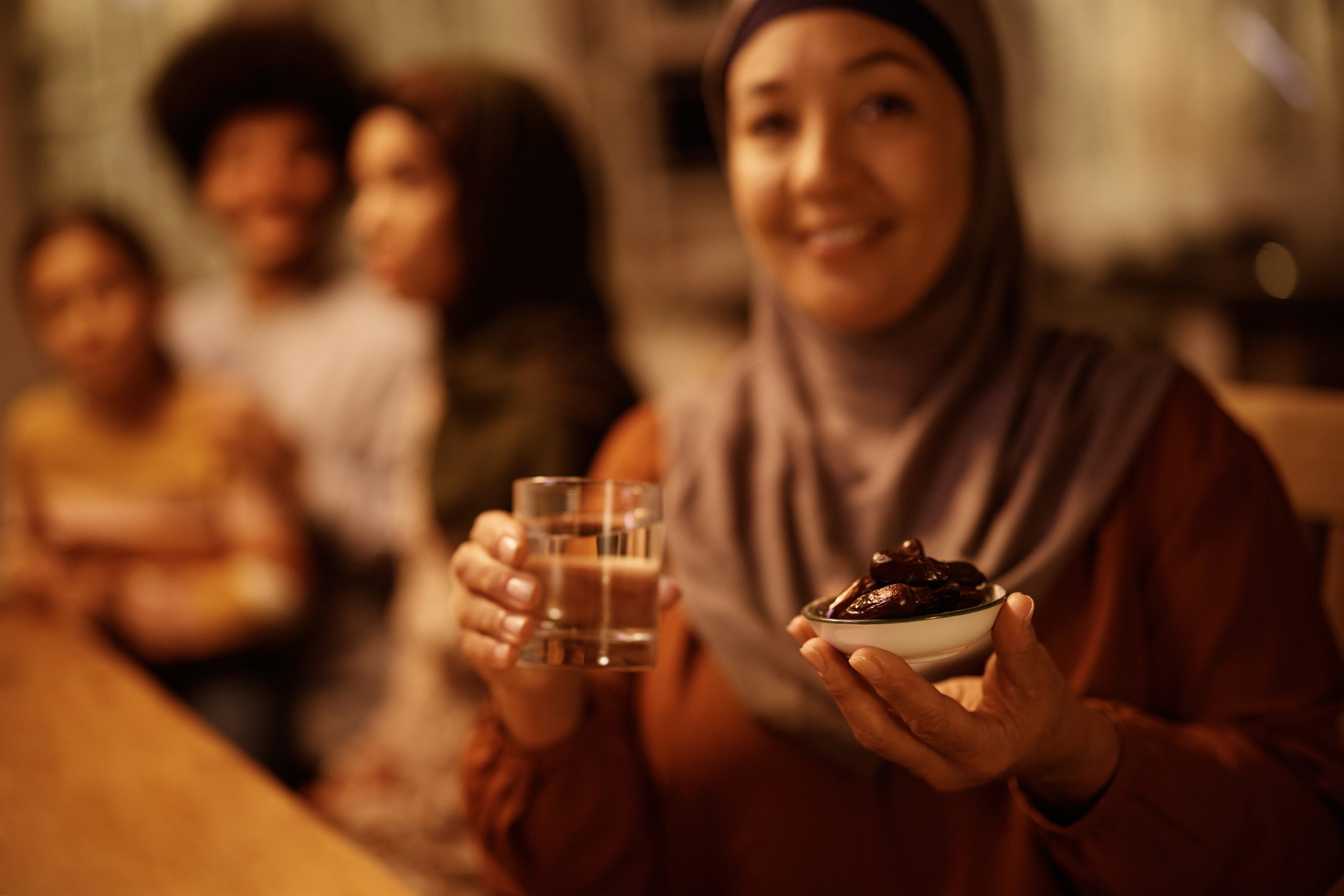
Arabic coffee ceremonies, where cardamom-scented coffee is poured into small cups and served with dates.
Indonesian and Malaysian heritage blends, made from locally grown beans using centuries-old roasting techniques.
These experiences create a bridge between generations — blending nostalgia with modern innovation. For many young Muslims, attending such festivals becomes a way to reconnect with their heritage in a contemporary, creative setting.
Building Bridges Beyond Borders:
While Halal Coffee Festivals celebrate Muslim identity, they also promote intercultural and interfaith dialogue. Coffee, after all, is a universal language.
Many events invite non-Muslim attendees to experience Islamic hospitality firsthand — offering guided tours, educational panels, and tastings that explain the Halal lifestyle. These interactions help break stereotypes and foster understanding between communities.
In London, for instance, the Halal Coffee and Culture Week includes interfaith panels and art exhibits that celebrate diversity within the Muslim world. Similarly, in cities like Chicago and Melbourne, Halal coffee pop-ups attract a mixed audience, where conversations about ethics, entrepreneurship, and inclusivity flow as freely as the coffee itself.
The Role of Social Media and Youth Culture:
The rise of Halal Coffee Festivals owes much to the energy of the younger Muslim generation. Social media platforms like Instagram and TikTok have turned coffee into both an art form and a lifestyle statement.
Muslim influencers and content creators often document their festival experiences — sharing aesthetically crafted cups, highlighting Halal-certified cafés, and discussing the importance of ethical business practices.
This digital engagement has turned Halal coffee into a global movement, where Muslims from different continents exchange recommendations, build online communities, and even plan travel around coffee events. It’s coffee tourism with a purpose — guided by values and community.
Why Halal Coffee Festivals Matter:
At a time when urban life can feel disconnected, Halal Coffee Festivals offer something refreshingly human: a sense of belonging. They bring together people who might otherwise never meet — families, entrepreneurs, travelers, and artists — under one shared passion.
Through these events, Muslims are not only reclaiming their historical role in coffee culture but also reshaping the global narrative — proving that faith-based values can lead the way in promoting sustainability, ethics, and creativity.
Every conversation sparked over coffee, every collaboration born at a festival, and every prayer shared in a bustling café tent contributes to something bigger: a living, breathing community built on respect and togetherness.
Conclusion: Brewing Faith, Flavor, and Friendship:
In the end, Halal Coffee Festivals are about more than caffeine. They represent a renaissance of faith-driven connection in a fast-paced world.
As Muslims gather around steaming cups from Dubai to Toronto, they are rediscovering an ancient truth — that sharing coffee is an act of love, hospitality, and community. It’s a moment where hearts open, ideas flow, and unity is brewed — one cup at a time.
The next time you attend a Halal Coffee Festival, take a pause between sips. Listen to the laughter, the calls to prayer in the distance, the clinking of cups, and the hum of connection. That sound — that spirit — is the real essence of brewing community.