Brewing Inclusivity: The Rise of Halal-Friendly Coffee Franchises Around the World:

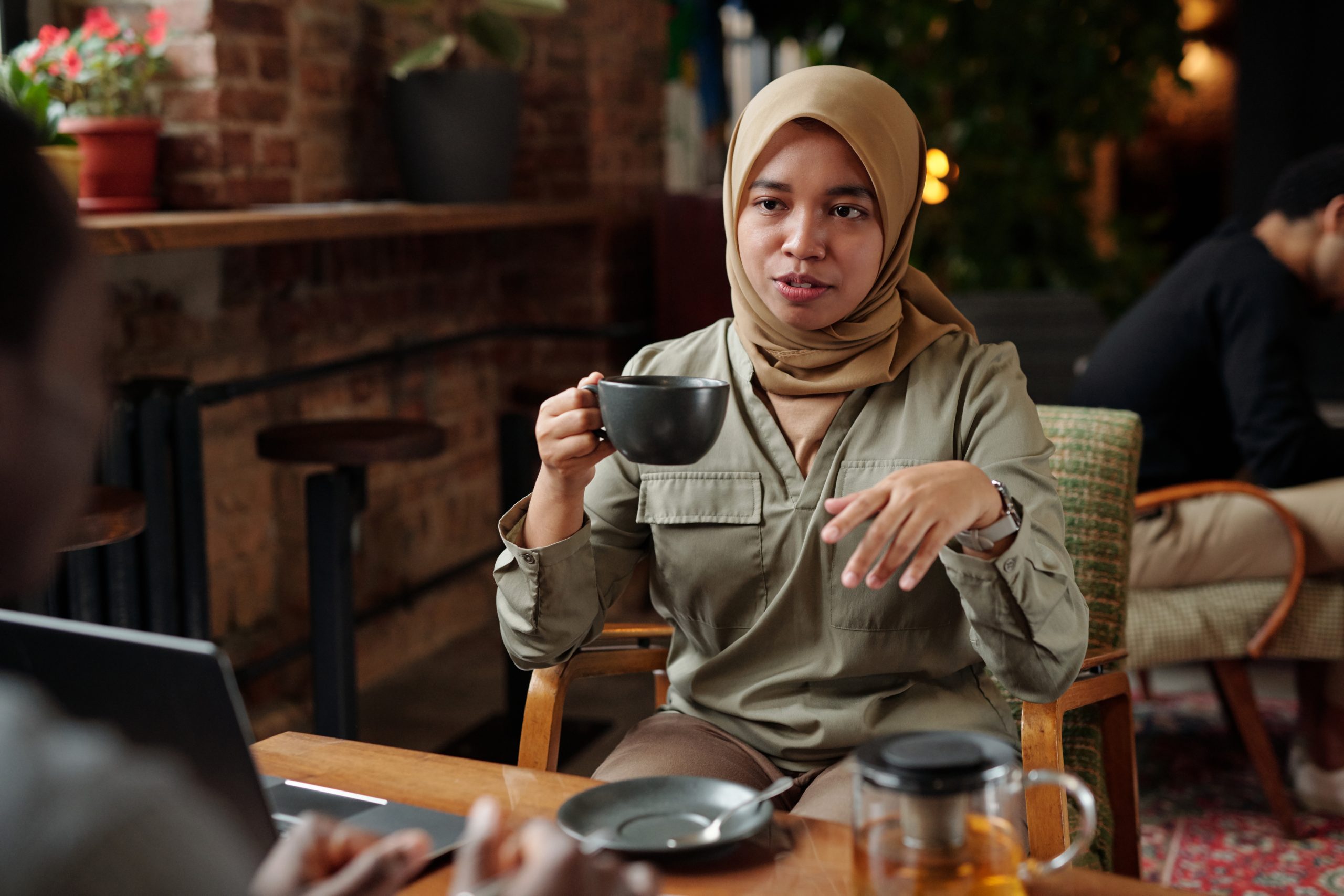
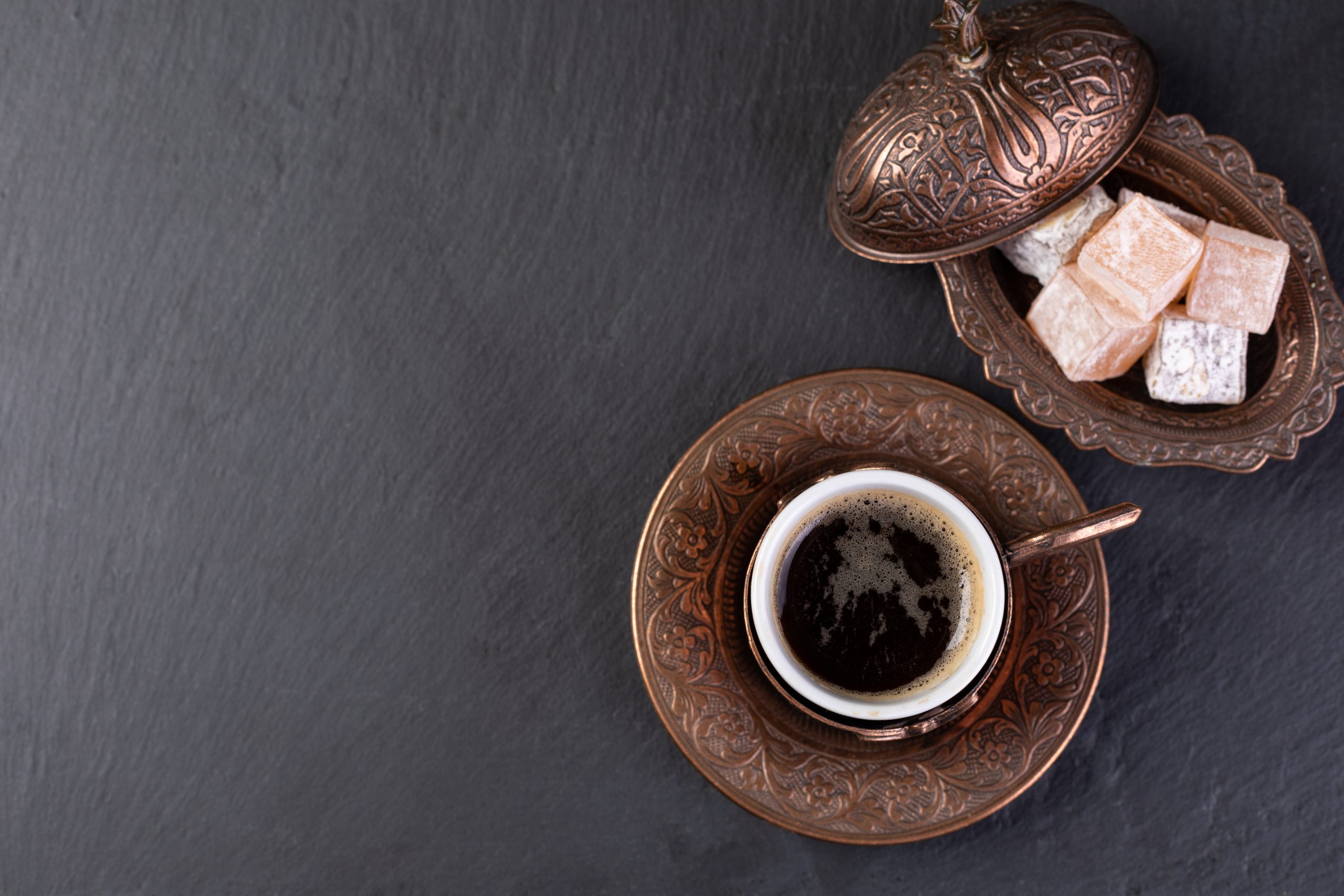
The global coffee industry is undergoing a quiet but powerful transformation — one that is not just about flavor, but about faith, inclusivity, and ethics. As consumer awareness grows, so does the demand for halal-certified and Muslim-friendly coffee experiences. From bustling metropolises like London and Kuala Lumpur to smaller towns in North America, halal-friendly coffee franchises are emerging as symbols of integrity, culture, and connection.
This isn’t merely a market trend — it’s a reflection of how the world’s growing Muslim population is influencing global café culture. Let’s explore how these franchises are brewing inclusivity, redefining coffee culture, and creating spaces where faith and flavor coexist beautifully.
1. Understanding Halal in Coffee Culture:
The word halal means “permissible” in Arabic, and it applies to more than just food — it encompasses how something is made, sourced, and consumed. When it comes to coffee, halal-friendly cafés focus on ensuring that everything from the beans to the beverages adheres to Islamic principles.
That includes:
Ethically sourced coffee beans, often from fair-trade or Muslim-owned farms.
Halal-certified ingredients, including flavor syrups, milk, and food items served alongside coffee.
Clean preparation processes, ensuring no cross-contamination with non-halal substances (like alcohol-based flavorings).
Inclusive environments, where Muslims and non-Muslims alike can gather comfortably.
This approach reflects a broader movement toward conscious consumption — one that values purity, ethics, and social responsibility.
2. The Global Rise of Halal-Friendly Coffee Franchises:
As the Muslim consumer market expands — projected to reach $2.8 trillion globally by 2025 — coffee franchises are evolving to meet this demand. What began as small, independent Muslim-owned cafés has blossomed into international franchises redefining inclusivity in the coffee space.
Here are some leading examples:
1. Chaiiwala of London (UK, Canada, UAE, USA):
Perhaps one of the most successful Muslim-owned coffee and tea franchises, Chaiiwala has revolutionized the café experience. Founded in Leicester, UK, this halal-certified franchise has over 70 locations across the globe and continues to grow rapidly.
While it’s famous for its signature karak chai, it also serves specialty coffees, iced lattes, and unique fusion drinks alongside halal South Asian street food. The franchise’s tagline, “Where Tradition Meets Trend,” perfectly encapsulates its mission — to blend cultural authenticity with modern coffee culture.
Why It Stands Out:
Chaiiwala’s strength lies in its inclusivity. It’s not just for Muslims — its lively atmosphere, quality drinks, and community-centered approach have attracted coffee lovers from every background.
2. Brew 92 (Saudi Arabia & Global):
Brew 92, founded in Jeddah, Saudi Arabia, is a luxury coffee franchise that embodies elegance and Islamic values. With its sophisticated interiors and specialty-grade coffee, Brew 92 has quickly expanded into international markets, including the UAE and the UK.
The brand sources beans ethically and emphasizes artistry in every cup — all while maintaining halal compliance in its offerings. Brew 92 shows that halal can also mean high-end, appealing to both devout Muslims and coffee connoisseurs worldwide.
Why It Stands Out:
Brew 92 merges world-class specialty coffee standards with Saudi hospitality. Its design aesthetic — a mix of modern minimalism and Middle Eastern warmth — has helped it become a global ambassador for Muslim-led coffee innovation.
3. Qahwah House (USA, Canada):
Founded by Yemeni-American entrepreneur Ibrahim Alhasbani, Qahwah House connects modern coffee culture with its Islamic and Yemeni roots. With locations in Dearborn, Brooklyn, and beyond, it has become a cultural hub for Muslims and non-Muslims alike.
Serving traditional Yemeni brews like qishr and mofawar, the café prides itself on using ethically sourced beans from Yemen — one of the birthplaces of coffee. The brand also ensures all its ingredients are halal-certified.
Why It Stands Out:
Qahwah House is more than a coffee brand — it’s a cultural movement that celebrates heritage and faith. The cafés often host interfaith gatherings, cultural events, and charity fundraisers, embodying the spirit of barakah (blessing through goodness).
4. Halal Bros Coffee (Malaysia & Indonesia):
Southeast Asia’s halal coffee market is booming, and Halal Bros Coffee is one of its standout players. Founded by young Muslim entrepreneurs in Kuala Lumpur, the franchise focuses on accessible halal coffee experiences for youth.
Their shops combine vibrant, Instagram-worthy designs with affordable specialty coffee and halal-certified snacks. It’s a model that appeals to younger generations looking for cafés that align with both their values and lifestyle.
Why It Stands Out:
Halal Bros Coffee has become a social space for young Muslims to hang out without compromising their principles. It’s part of a wave of Muslim-friendly lifestyle cafés emerging in Malaysia and Indonesia — both hubs of halal innovation.
3. Why Halal-Friendly Coffee Franchises Are Growing:
The rise of halal-friendly coffee franchises isn’t just about religious compliance — it’s about values that resonate globally.
a. Ethical Consumption and Transparency:
Consumers worldwide are becoming more aware of where their products come from. Halal franchises appeal not only to Muslim customers but also to non-Muslims who value fair trade, cruelty-free, and environmentally conscious brands.
b. Global Muslim Demographics:
With Muslims making up nearly 25% of the world’s population, businesses that cater to halal lifestyles are tapping into one of the fastest-growing global markets. Coffee franchises that recognize this demographic shift are gaining both customer loyalty and cultural relevance.
c. Inclusivity and Representation:
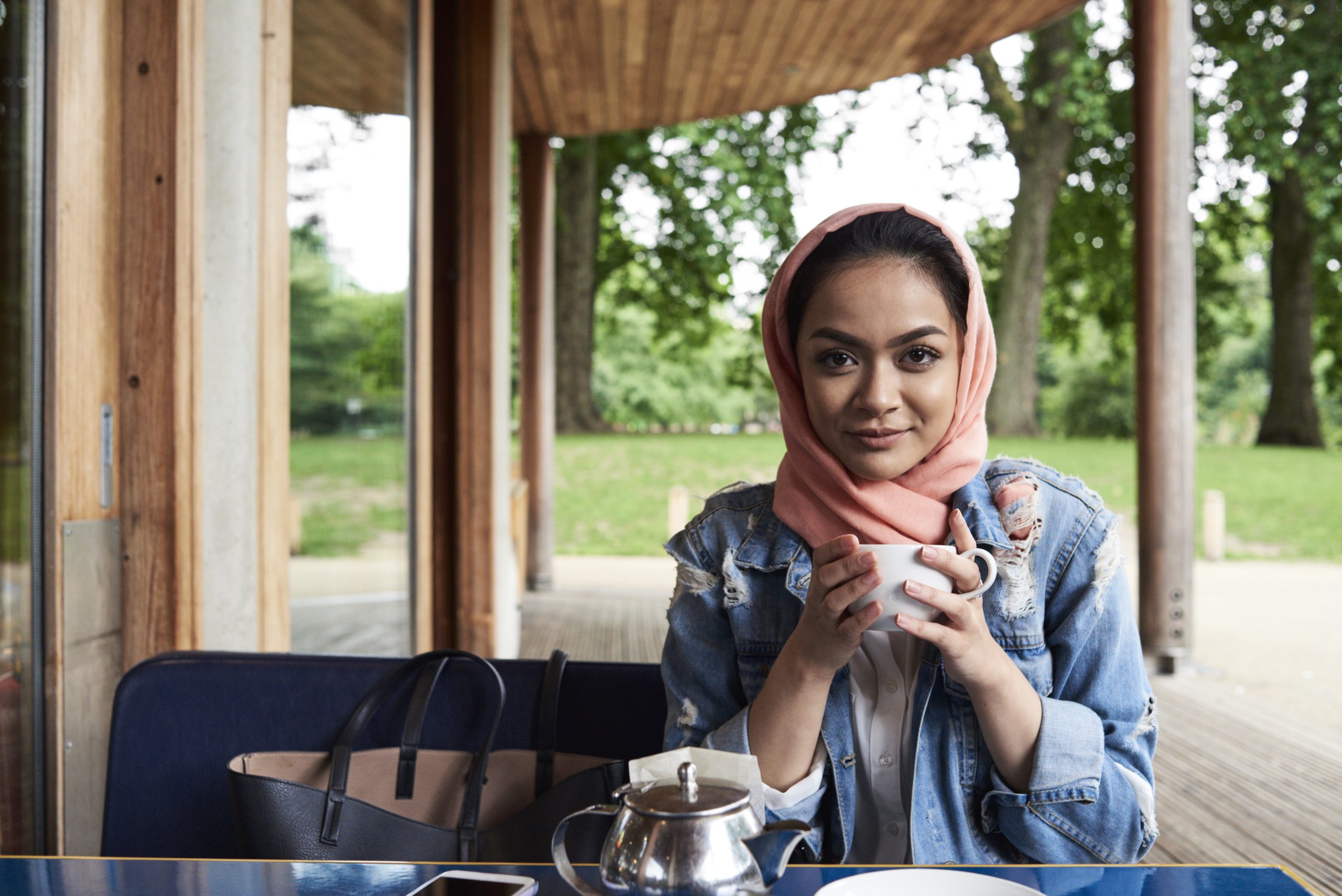
Halal-friendly coffee shops create inclusive spaces that welcome everyone — people of all faiths and backgrounds. By avoiding alcohol and ensuring clean, family-friendly environments, they’ve become symbols of unity and belonging.
4. Challenges in the Halal Coffee Franchise Space:
While the market is growing, halal-friendly coffee franchises face unique challenges:
Certification barriers: Gaining official halal certification varies by country and can be a complex process.
Maintaining consistency across branches: As franchises expand globally, ensuring that every outlet adheres to halal standards is crucial.
Educating customers: In some regions, “halal coffee” is misunderstood as exclusive to Muslims, whereas these spaces are actually inclusive and welcoming to all.
Forward-thinking brands are tackling these challenges by investing in staff training, transparent ingredient sourcing, and open community communication.
5. The Future of Halal-Friendly Coffee Franchises:
The next decade will likely see halal-friendly coffee brands expanding beyond traditional markets. Expect to see:
More Muslim-owned global franchises that merge spirituality with style.
Collaborations between Western and Muslim-majority coffee companies to create cross-cultural blends.
Tech integration, including mobile ordering and sustainability tracking apps that highlight halal sourcing.
Social impact initiatives, where a portion of profits supports community welfare, education, or environmental conservation — aligning business with barakah.
These businesses aren’t just following trends; they’re creating them.
6. Sipping on Barakah: A New Chapter in Global Coffee Culture:
Halal-friendly coffee franchises are redefining what it means to enjoy a cup of coffee. They prove that inclusivity, integrity, and innovation can go hand in hand.
By emphasizing ethical sourcing, community engagement, and spiritual mindfulness, these brands are crafting a new narrative — one that transcends religion and resonates with anyone who values purpose-driven living.
When you walk into a halal-friendly café, you’re not just sipping coffee; you’re sipping stories of resilience, culture, and compassion.