Coffee and Conversation: How Muslim Communities Use Coffee to Build Bonds:
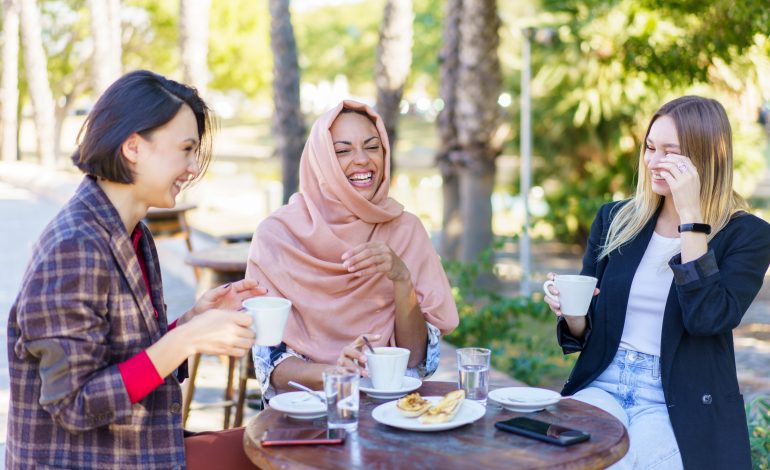

Across the world — from the bustling cafés of Cairo to the cozy living rooms of London — coffee has become more than a drink for Muslims. It’s a symbol of connection, a bridge between generations, and a vessel for hospitality and warmth.
In Muslim societies, sharing coffee is rarely about caffeine. It’s about conversation, compassion, and community. It’s about pausing amid the rush of life to sit, talk, and remember what truly matters — people.
Let’s explore how Muslim communities continue to use coffee to build meaningful bonds, preserve tradition, and create spaces of belonging in an ever-changing world.
1. The Legacy of Qahwa: Coffee as a Cultural Connector:
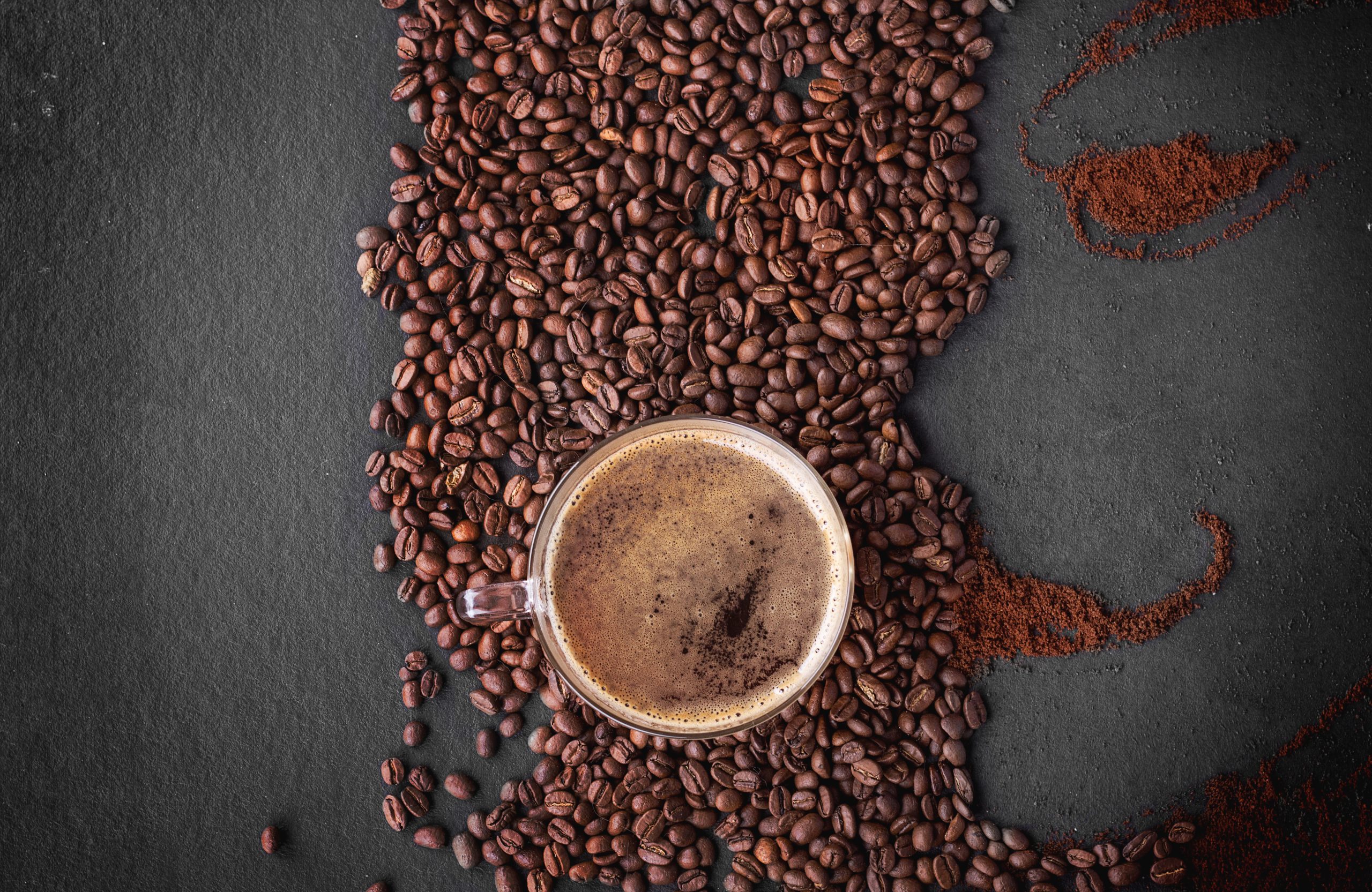
The word coffee comes from the Arabic qahwa, which first originated in 15th-century Yemen. Sufi mystics drank qahwa to stay awake during long nights of spiritual remembrance, and soon it became part of everyday Muslim life.
From Yemen, coffee traveled to Mecca, Cairo, Damascus, and Istanbul, giving rise to the world’s first coffeehouses — the qahveh khaneh. These spaces were open to everyone — scholars, merchants, travelers, and poets.
In a time before smartphones or social media, these cafés were where ideas spread and friendships formed. People discussed poetry, politics, and faith over steaming cups of coffee. They were the original social networks — powered by shared stories and the scent of roasted beans.
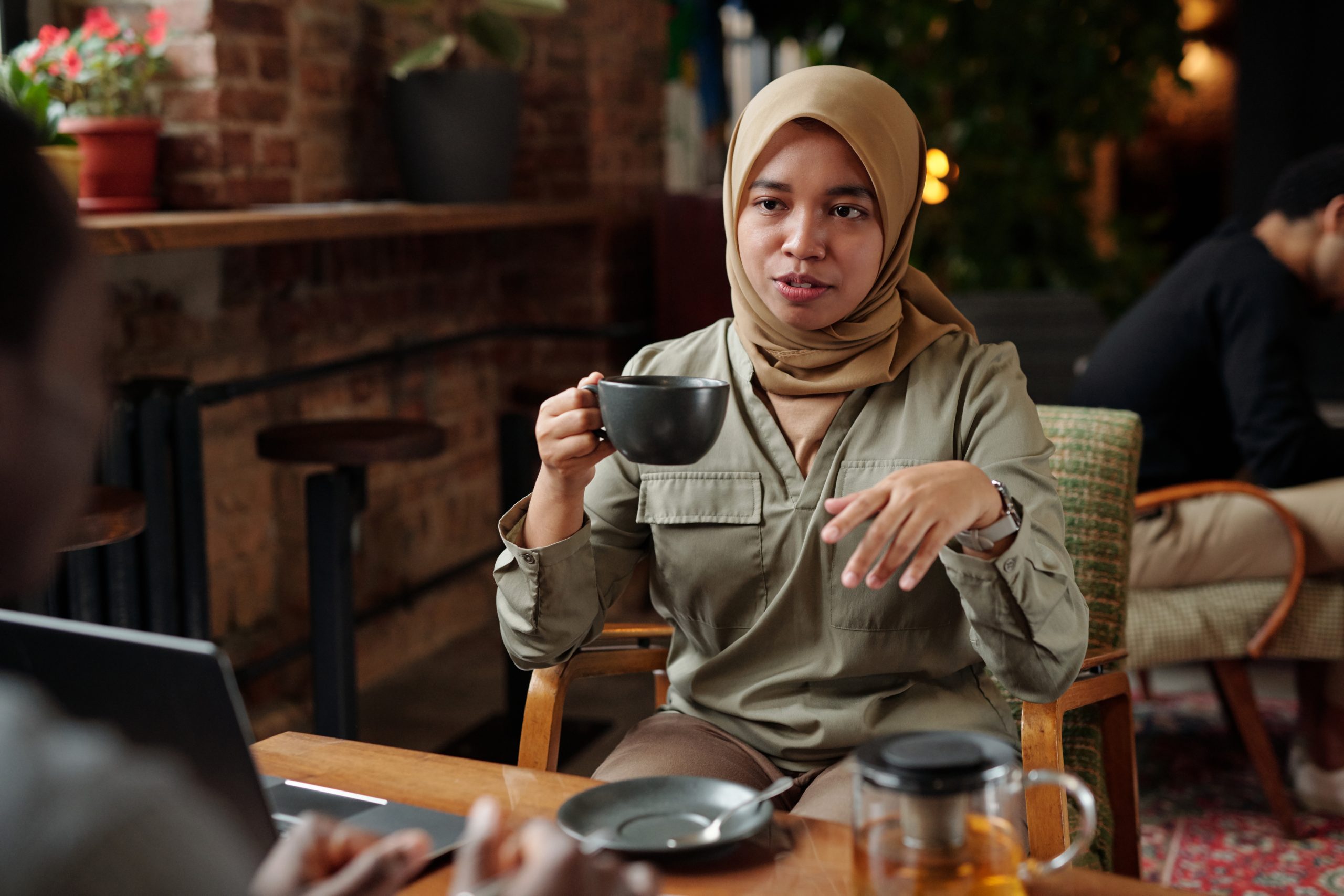
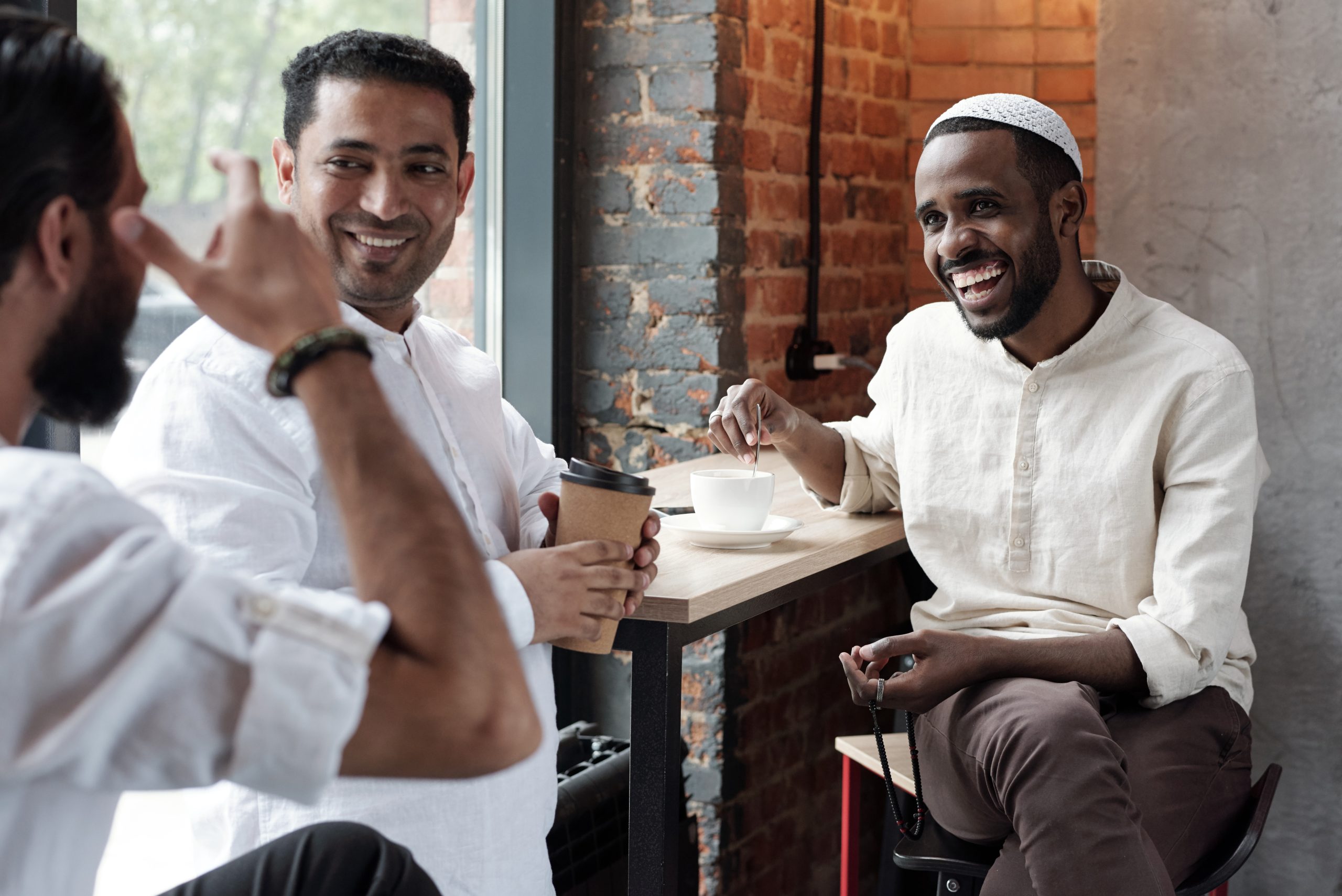
That same spirit of dialogue continues today. Whether in traditional coffeehouses or modern halal cafés, Muslims gather over coffee to connect, reflect, and build community — just as their ancestors did centuries ago.
2. Coffee and the Art of Islamic Hospitality:
Hospitality (karam) lies at the heart of Islamic culture, and coffee is often its most visible expression.
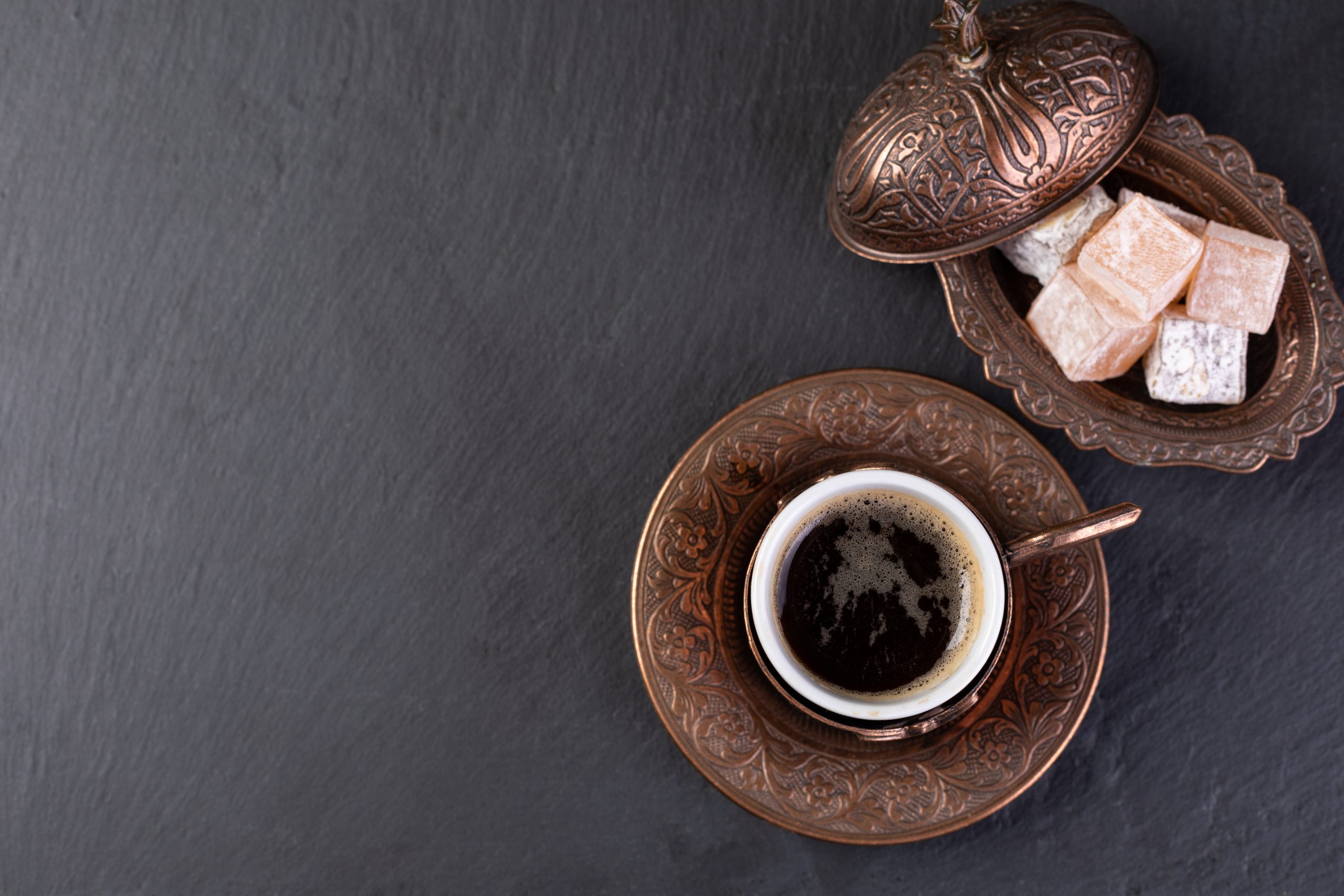
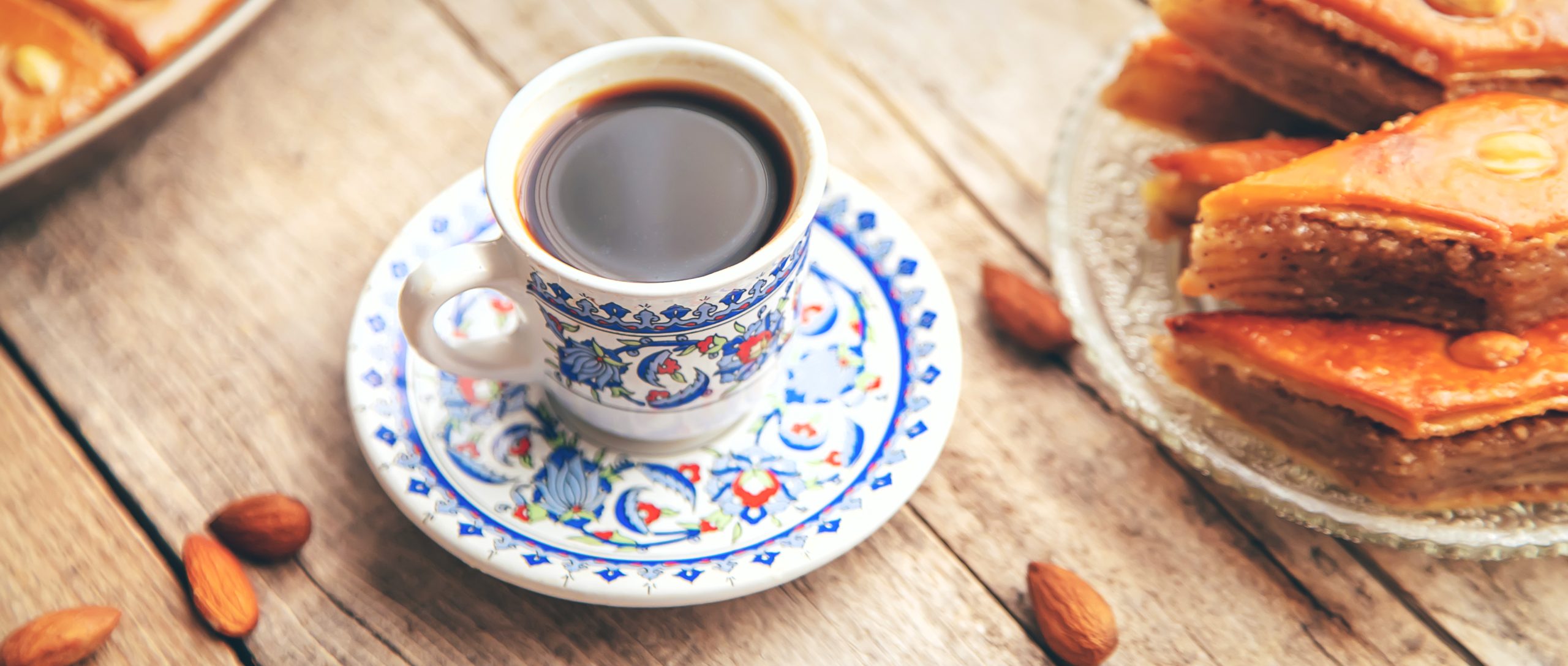
In Arab culture, serving coffee to a guest is not a casual act — it’s a sacred gesture of respect. The host pours qahwa arabiyya — a light, cardamom-infused brew — into small finjan cups, always using the right hand. The guest drinks three cups, symbolizing acceptance of friendship and goodwill.
This ritual reflects the Prophet Muhammad ﷺ’s teaching:
“Whoever believes in Allah and the Last Day, let him honor his guest.” (Bukhari & Muslim)
Even in modern cities, that tradition continues. When visitors step into a Muslim home or café, the first question they’re often asked is, “Would you like some coffee?”
That offer is more than hospitality — it’s an invitation into relationship.
3. Coffeehouses as Community Hubs:
In Muslim-majority societies — and even in diasporic communities across Europe and North America — coffeehouses often double as community centers.
These spaces provide more than drinks; they offer a sense of belonging. You might find:
University students studying side-by-side with elders sharing stories.
Families meeting after Friday prayers for dessert and discussion.
Strangers striking up friendships that last for years.
Cafés like Qahwa House in Dearborn (U.S.), Kopi Darussalam in Indonesia, or Halal Café Lounge in London have become modern versions of the traditional majlis — gathering places where Muslims can be both faithful and social.
These spaces reflect an important shift: in a digital age of isolation, the coffee cup remains a timeless symbol of togetherness.
4. The Power of Conversation: Sharing Wisdom and Experience:
For Muslims, conversation has always been a spiritual act. The Qur’an itself encourages reflection and discussion — not argument, but dialogue rooted in respect and sincerity.
When Muslims gather over coffee, conversations often flow between laughter and introspection:
Young professionals discuss how to balance career and faith.
Parents share tips on raising children with Islamic values.
Friends open up about life’s challenges, supported by empathy and prayer.
In a world that moves too fast, coffee becomes a pause button — a moment to slow down, listen, and connect heart-to-heart.
As one saying goes in the Arab world:
“Coffee and talk remove the heaviness of the soul.”
5. Coffee After the Masjid: Faith and Fellowship:
For many Muslim communities, coffee is closely linked to religious and spiritual gatherings.
After Friday prayers (Jumu’ah), it’s common for friends to head to a nearby café to continue the discussion — turning spiritual reflection into social connection.
During Ramadan, coffee takes on special significance. After iftar, cafés stay open late, welcoming families and friends who gather for dessert, espresso, and heartfelt conversation.
And in many Muslim weddings, qahwa is the first thing served to guests — symbolizing the start of a relationship filled with harmony and hospitality.
These rituals remind us that coffee isn’t just part of Muslim culture — it’s woven into its spiritual and social fabric.
6. Coffee and Identity in the Muslim Diaspora:
For Muslims living in Western societies, cafés often serve as cultural anchors — safe spaces where identity, creativity, and community intersect.
Modern Muslim cafés blend old and new beautifully:
Traditional Arabic or Turkish décor meets minimalist design.
Menus include both cappuccinos and cardamom lattes.
Quranic verses adorn walls alongside local art.
These cafés welcome Muslims and non-Muslims alike, showcasing Islam’s warmth and inclusivity through everyday acts of hospitality.
They’re also platforms for dialogue — where strangers learn about faith over shared drinks, breaking stereotypes one conversation at a time.
In this way, coffeehouses continue the prophetic tradition of connecting people — through kindness, listening, and shared humanity.
7. Coffee as a Catalyst for Community Initiatives:
Beyond conversation, coffee is increasingly becoming a tool for social good in Muslim communities.
Many Muslim-owned cafés now combine business with philanthropy:
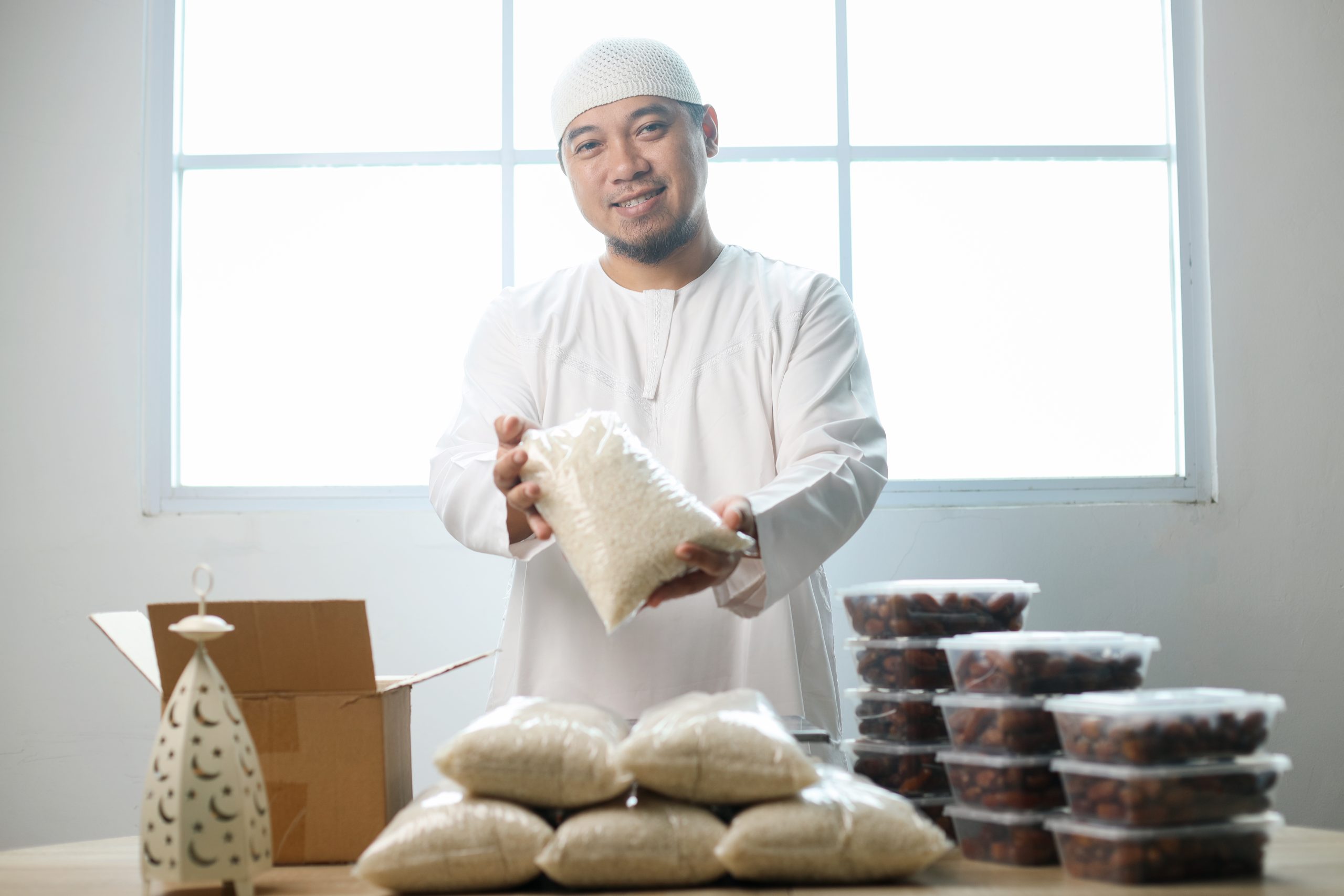
Donating proceeds during Ramadan to support local charities.
Hosting “Coffee for a Cause” nights for humanitarian relief.
Creating inclusive spaces for youth mentorship and mental-health discussions.
In Pakistan, Malaysia, and Canada, such cafés serve as both gathering spaces and engines of compassion — reviving the Islamic ethos of service (khidmah) through creativity and caffeine.
Each cup sold contributes not just to conversation, but to community upliftment.
8. Coffee, Reflection, and Mindfulness:
In Sufi tradition, coffee was originally consumed to aid spiritual wakefulness — to help seekers stay alert in remembrance of God. Today, that same mindfulness can be found in how Muslims approach their coffee rituals.
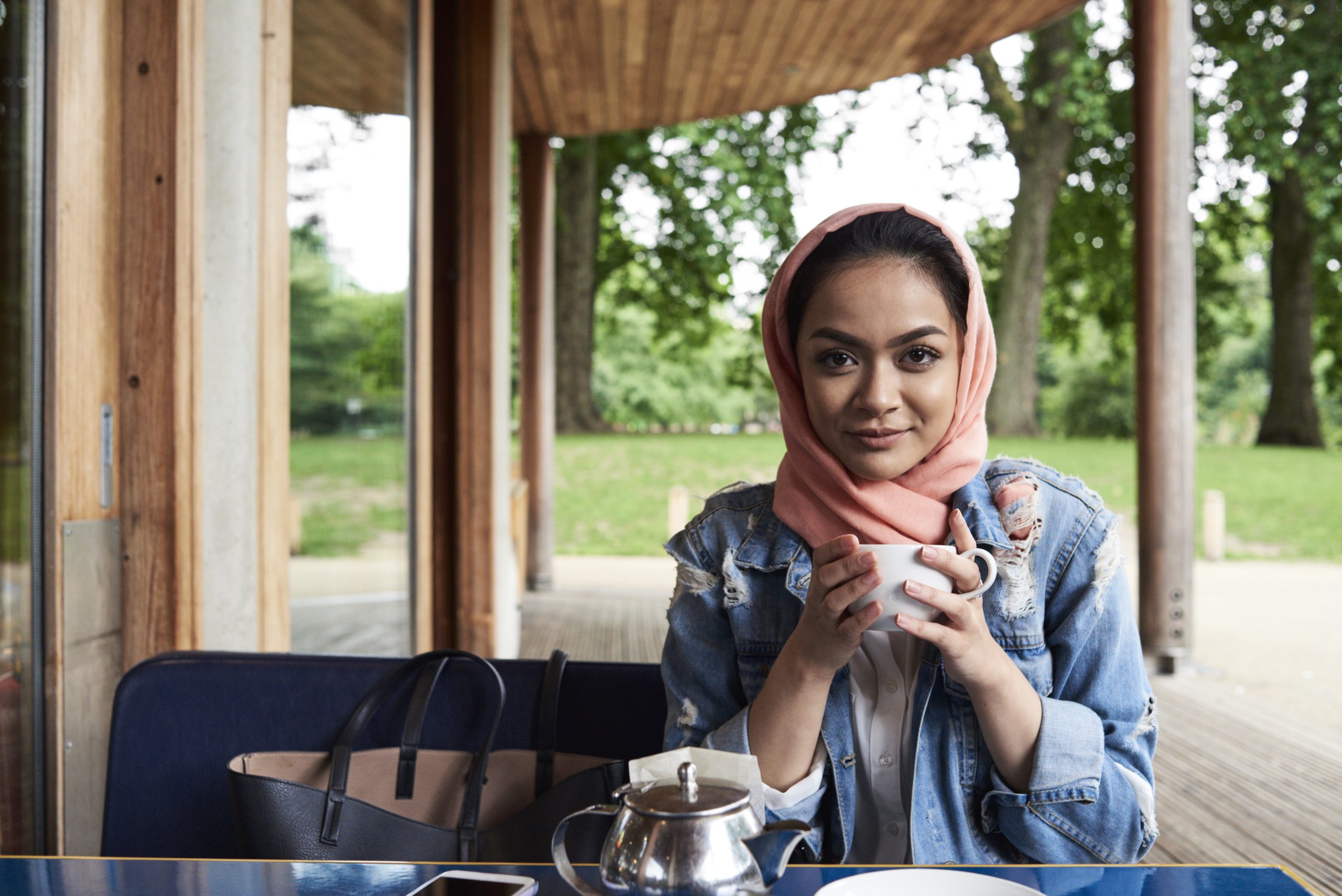
Whether sipping alone after Fajr prayer or journaling in a quiet café corner, coffee often becomes a moment of reflection — a chance to reconnect with gratitude.
This meditative aspect reminds us that coffee’s deepest gift isn’t stimulation — it’s presence. The ability to sit, breathe, and appreciate life’s simplest blessings.
9. Interfaith and Cross-Cultural Bonds Over Coffee:
Muslim cafés and coffee events are also creating bridges beyond the community. Interfaith organizations often host “Coffee and Conversation” gatherings, where Muslims, Christians, Jews, and others meet to share experiences, ask questions, and learn from one another.
These small gatherings help dispel misconceptions and foster mutual understanding — proving that something as simple as a shared cup can lead to profound connection.
As one participant at a community coffee event in Chicago put it:
“Over coffee, we stopped seeing each other as labels — and started seeing each other as people.”
10. A Cup That Brings Hearts Together:
Coffee’s enduring presence in Muslim life is no coincidence. It reflects the faith’s emphasis on community, hospitality, and remembrance.
From Yemen’s Sufi circles to today’s bustling halal cafés, coffee has always carried more meaning than meets the eye. It symbolizes the joy of gathering, the value of conversation, and the spiritual sweetness of connection.
In every pour, there’s generosity. In every sip, gratitude. And in every conversation, an opportunity to build bridges of understanding — within families, neighborhoods, and across the world.
So the next time you sit with a friend over coffee, remember: you’re participating in a centuries-old tradition of love, hospitality, and unity.
Because for Muslims, coffee isn’t just a drink — it’s a way to connect hearts.