Coffee, Culture, and Community: How Muslim Cafés Are Reviving Tradition in Modern Times:

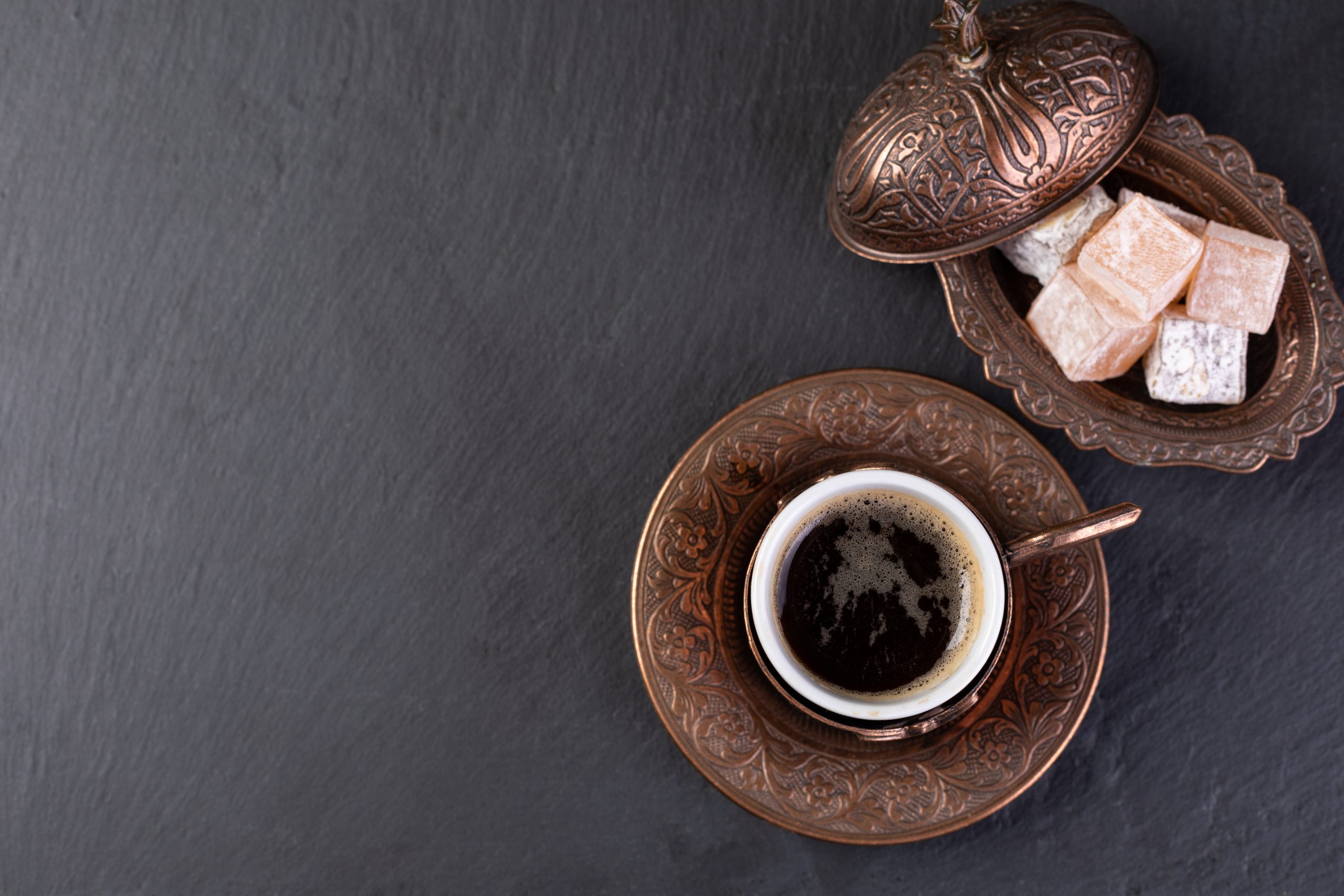
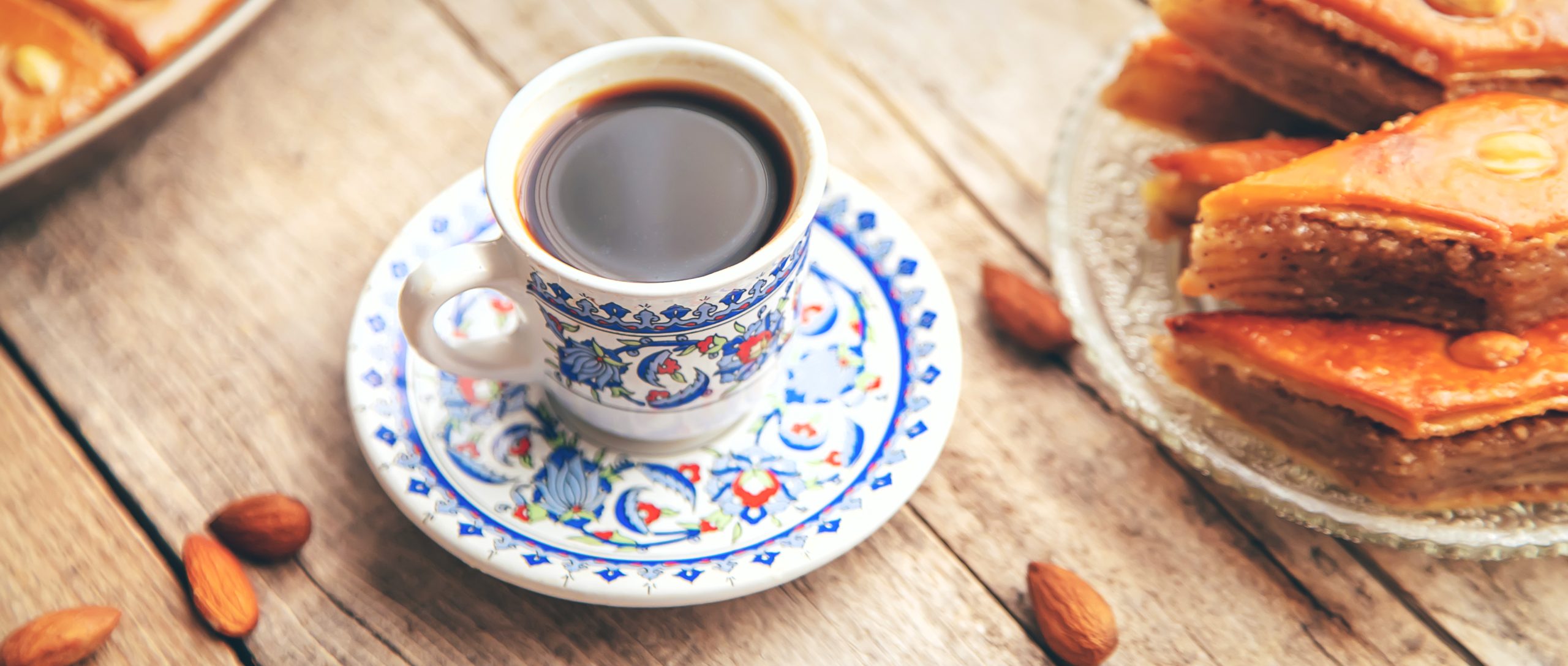
Long before the rise of modern coffee chains and latte art trends, coffee was deeply embedded in the fabric of Muslim civilization. The first coffeehouses — qahveh khaneh — emerged in 15th-century Yemen and spread rapidly across Mecca, Cairo, Damascus, and Istanbul. These cafés were not just places to drink coffee — they were spaces of reflection, poetry, debate, and spiritual connection.
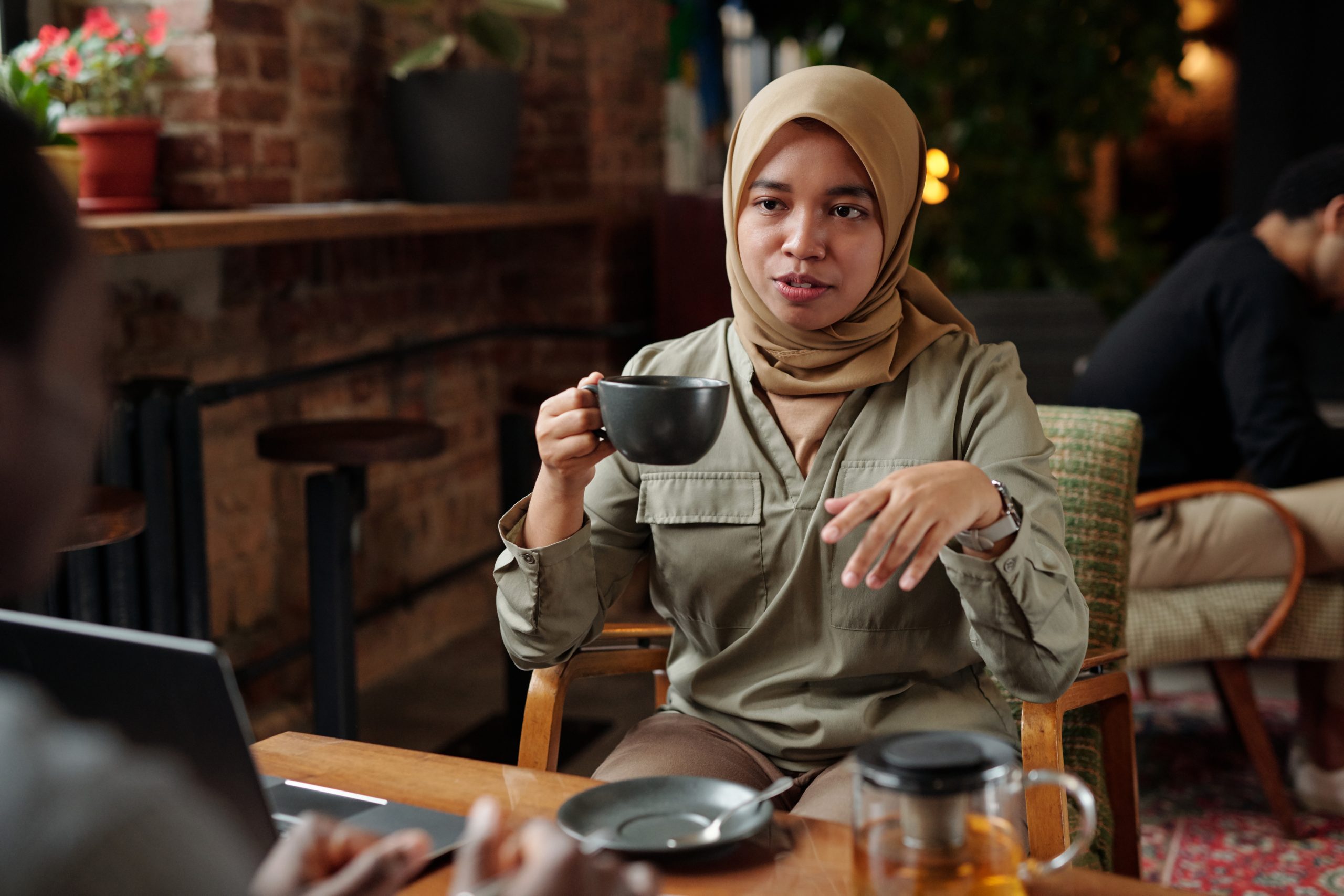
Today, a new wave of Muslim-owned cafés across the world is bringing that legacy back — blending faith, creativity, and community in ways that honor tradition while embracing modern tastes. From Jakarta to London, and Toronto to Dubai, these cafés are becoming much more than coffee stops — they’re cultural sanctuaries.
Let’s explore how Muslim cafés are reviving heritage, reshaping community life, and redefining what it means to enjoy coffee in the 21st century.
1. Coffee’s Islamic Roots: From Yemen to the World:
Many coffee lovers don’t realize that the story of coffee begins in the Muslim world. The earliest beans were cultivated in Yemen, where Sufi mystics drank coffee to stay awake during night prayers and spiritual practices. The beverage soon spread through trade routes into the Hejaz, Egypt, and the Ottoman Empire — evolving into a staple of Islamic social and spiritual life.
Coffeehouses became known as “Schools of the Wise” — places where scholars, merchants, and travelers exchanged ideas. They were hubs of learning, not luxury. Conversation flowed as freely as the coffee, connecting people across faiths and cultures.
Today’s Muslim cafés draw inspiration from that rich past — combining good coffee with an atmosphere of reflection, compassion, and community building.
2. The Rise of Modern Muslim Cafés:
In cities like Kuala Lumpur, Istanbul, London, and Chicago, the last decade has seen a quiet but powerful movement — the emergence of halal-friendly, ethically conscious Muslim cafés.
These spaces are redefining modern hospitality by focusing on values like:
Halal and ethical sourcing of coffee beans and ingredients.
Inclusivity, welcoming both Muslim and non-Muslim patrons.
Community building, often hosting events, talks, or charity drives.
Aesthetic design, combining traditional Islamic art with minimalist modern décor.
Examples include:
The Urban Muslim Café in London, hosting book clubs and Islamic art nights.
Kopi Darussalam in Indonesia, which supports local farmers through fair-trade beans.
Qahwa House in Dearborn, USA, known for its Yemeni roots and spiritual ambiance.
These cafés are not just businesses — they are reflections of barakah (blessing), intention, and purpose-driven entrepreneurship.
3. Halal Hospitality: Serving More Than Coffee:
For Muslim café owners, coffee isn’t just a product — it’s a means of connection and service (khidmah). The concept of halal hospitality goes beyond food compliance. It’s about creating spaces where people feel respected, comfortable, and spiritually uplifted.
Many Muslim cafés prioritize:
Modest music and ambiance, suitable for families and faith-conscious customers.
Prayer-friendly environments, sometimes with a small prayer corner or mosque nearby.
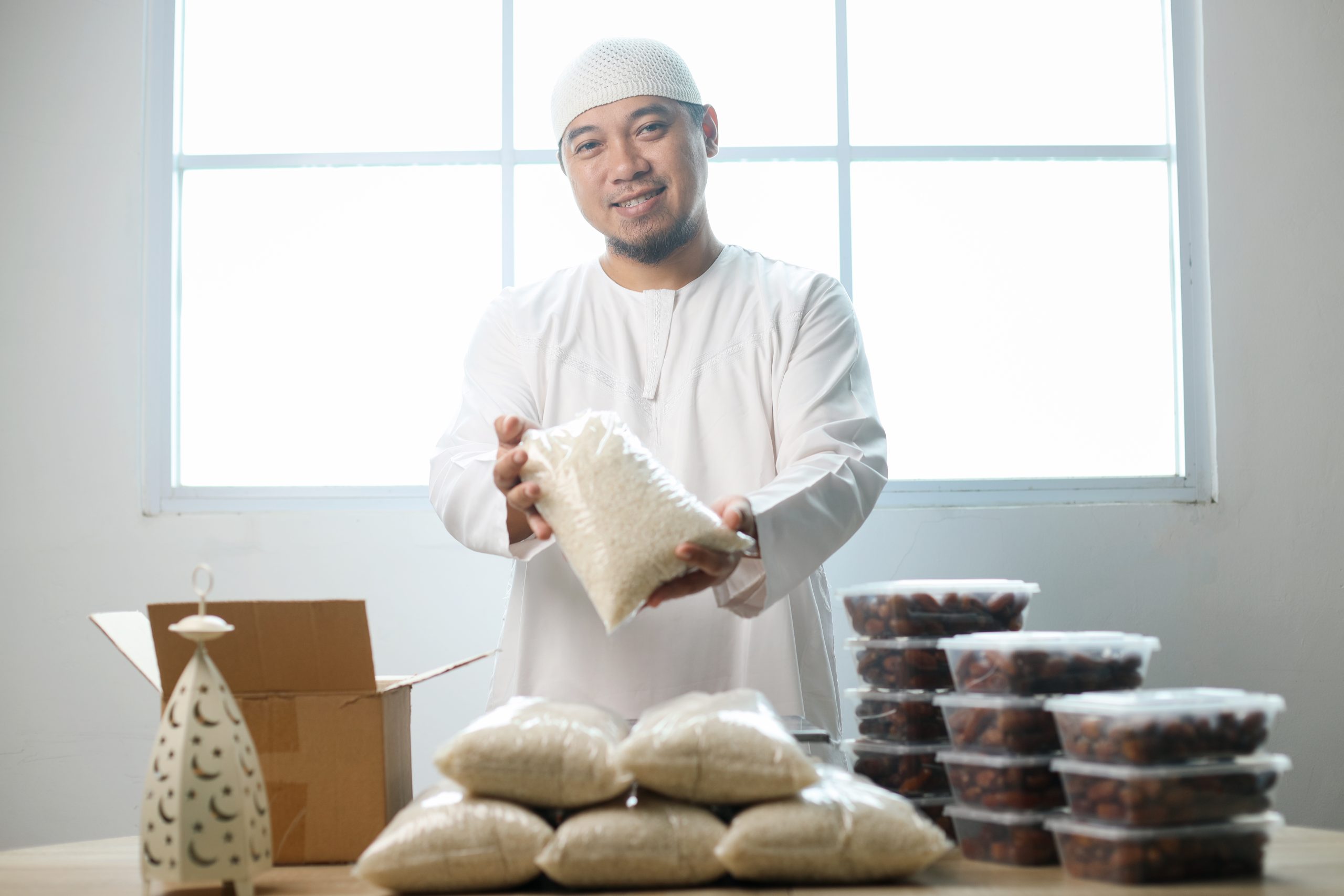
Charitable initiatives, like donating a portion of profits during Ramadan or supporting local causes.
These touches transform a regular coffee shop visit into a meaningful experience — one rooted in compassion, dignity, and shared values.
Example: During Ramadan, many Muslim cafés stay open for suhoor (pre-dawn meals) and host community iftars. It’s a revival of the old coffeehouse spirit — where faith and friendship meet over a warm cup.
4. Designing Spaces of Serenity and Identity:
Step into a Muslim café, and you’ll notice something special — a blend of cultural identity and modern design.
The décor often reflects Islamic aesthetics — calligraphy, geometric patterns, soft lighting, and earthy tones — creating a space that feels both peaceful and inspiring. Some even display Quranic quotes or hadiths related to gratitude, mindfulness, or charity.
But it’s not just about visuals — it’s about atmosphere.
Muslim cafés often strive to create an inclusive, calm environment that encourages reflection, conversation, and connection — a stark contrast to the often rushed, noisy vibe of mainstream coffee chains.
In this way, design becomes a form of storytelling — one that communicates faith, history, and harmony in a contemporary setting.
5. Community as the Core Ingredient:
What truly distinguishes Muslim cafés from typical coffee shops is their sense of purpose. They are not just serving customers; they are building communities.
These cafés regularly organize:
Study circles and discussion nights on Islamic topics.
Poetry slams and open mics for Muslim creatives.
Halal networking events for entrepreneurs and students.
Charity fundraisers for global and local causes.
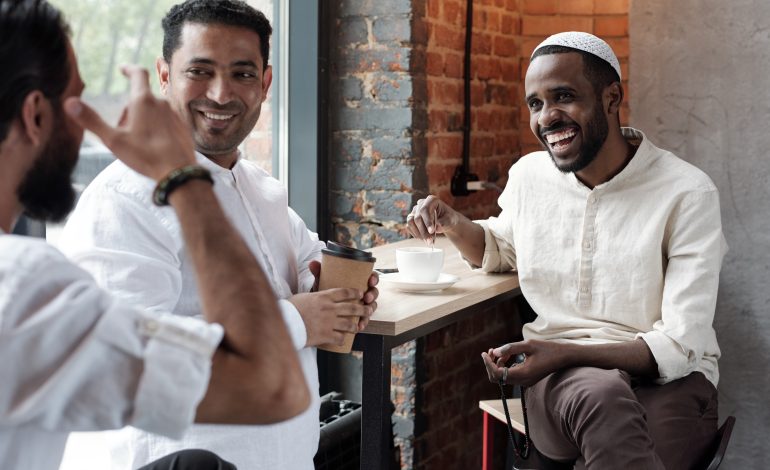
For young Muslims, these spaces often provide something rare — a place to belong without compromise. A space where faith and modern life coexist naturally, without tension or judgment.
In essence: Muslim cafés are reviving the ummah spirit — fostering unity, understanding, and compassion through simple acts of gathering over coffee.
6. Empowering Muslim Entrepreneurs:
The rise of Muslim cafés has also empowered a new generation of entrepreneurs who see business as a form of ibadah (worship).
These owners combine modern marketing and management with Islamic ethics, showing that profitability and spirituality can coexist. They prioritize:
Fair-trade sourcing that benefits small farmers.
Honest pricing and transparent operations.
Ethical branding that promotes mindfulness rather than materialism.
Many of these entrepreneurs also collaborate with Muslim artists, authors, and bakers, turning their cafés into platforms for creative expression.
Through these ventures, Muslim café owners are not only preserving tradition — they’re innovating it.
7. The Role of Social Media in Revival:
In the age of Instagram and TikTok, visuals play a huge role in storytelling — and Muslim cafés are embracing it beautifully.
They use social media not just to promote products but to share purpose:
Highlighting community stories.
Showcasing Ramadan specials or charity campaigns.
Posting reflections, duas, or Quranic verses alongside coffee photos.
This blend of digital creativity and spiritual message resonates deeply with younger audiences. It’s dawah through design — authentic, accessible, and impactful.
8. Beyond Borders: A Global Movement:
What began as local cafés in Muslim-majority cities has now become a global movement.
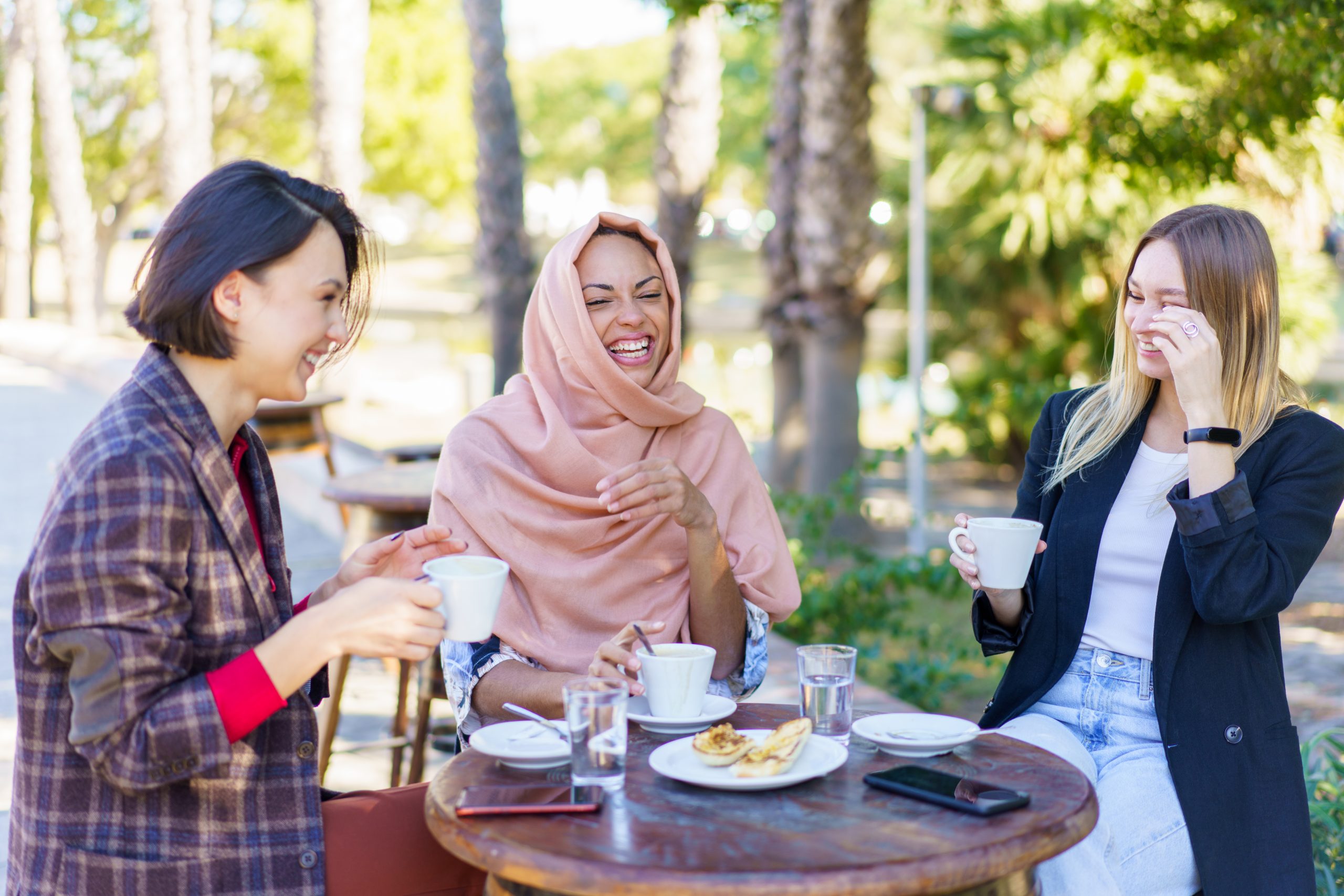
In London, Toronto, New York, Dubai, and Kuala Lumpur, Muslim cafés are attracting diverse crowds — Muslims and non-Muslims alike — curious to experience an atmosphere of sincerity and peace.
They are also helping reshape perceptions of Islam — showing that faith is not restrictive but rich, creative, and community-centered.
Through coffee, these cafés are bridging cultural gaps, sparking conversations, and redefining what modern Muslim identity looks like — one cup at a time.
9. The Revival of Intention (Niyyah):
At the heart of every successful Muslim café lies a simple but powerful idea: intention.
It’s not just about serving good coffee; it’s about serving good purpose. Whether it’s offering halal comfort food, fostering cultural dialogue, or supporting a local cause — these cafés operate with mindfulness and sincerity.
In an era where many businesses chase trends, Muslim cafés remind us of something timeless — that when actions are guided by good intentions, they create lasting impact.
Final Pour: Where Faith Meets Flavor:
Muslim cafés are not simply reviving old traditions — they’re reimagining them for a modern world. They’ve taken the humble cup of coffee, once a symbol of spiritual wakefulness, and infused it with new layers of meaning.
They are places where faith, flavor, and friendship blend seamlessly; where you can sip espresso and engage in deep conversation about life, identity, or God.
As this movement continues to grow, one thing is clear: Muslim cafés are not just shaping how we drink coffee — they’re shaping how we connect as a community.
And that, perhaps, is the most beautiful revival of all.