Digital Halal Discovery: How Technology Is Changing the Way Muslims Find Cafés:
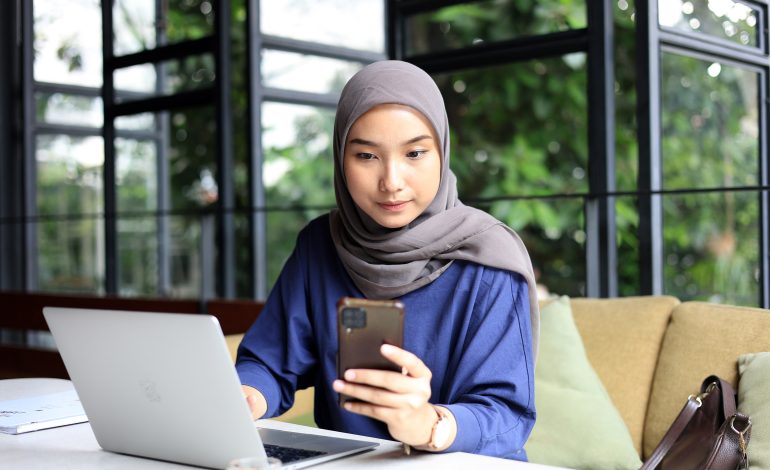

In the age of smartphones, Wi-Fi, and Google Maps, finding your next favorite coffee spot has become as easy as tapping a screen. But for Muslim consumers, the search isn’t only about ambience and flavor — it’s also about faith, ethics, and authenticity.
From Halal-certified café locators to AI-powered recommendation apps, technology is revolutionizing how Muslims discover places that align with their values. The global Halal coffee culture is expanding fast — and digital innovation is the compass guiding Muslims to cafés that pour both faith and flavor.
Let’s explore how technology is reshaping the Halal café experience and making it easier than ever for Muslims to connect with ethical, inclusive coffee spaces around the world.
1. The Rise of the Digital Halal Lifestyle:
Technology has become deeply intertwined with Muslim daily life. With a global Muslim population exceeding 1.9 billion, there’s an increasing demand for tools that support Halal living in modern, connected societies.
Apps once focused solely on prayer times or Qibla direction now coexist with Halal restaurant finders, modest fashion platforms, and ethical e-commerce hubs. The Halal food and beverage sector, in particular, has embraced digital transformation — and coffee culture is at its forefront.
Whether it’s a traveler searching for a Halal café near Paris’s Grand Mosque or a student in New York seeking a faith-friendly study spot, technology bridges the gap between faith and modern convenience.
“For Muslims, digital access isn’t just about convenience,” says Malaysian entrepreneur Aisha Rahman, founder of Brew & Barakah. “It’s about confidence — knowing that what we consume reflects what we believe.”
2. Halal Café Locator Apps: Mapping Faith-Friendly Spaces:
Gone are the days when finding a Halal coffee shop required word-of-mouth recommendations. Today, a growing number of Halal café locator apps help users instantly discover Muslim-owned or Halal-certified venues nearby.
Popular platforms such as HalalTrip, Zabihah, and Muslim Pro’s Places feature now include coffee shop filters, displaying real-time data like customer reviews, photos, and certification details.
These apps rely on crowdsourced data — empowering users to add new cafés, verify menus, and share experiences with others. Many integrate with navigation tools like Google Maps or Waze, making discovery seamless.
“When I travel for work, HalalTrip is my go-to,” says Omar Ali, a digital nomad from London. “I can locate a coffee shop that serves Halal pastries, check prayer space availability, and even view local community events — all within minutes.”
This democratization of information has turned digital Halal discovery into a community-driven ecosystem where trust, transparency, and technology intersect.
3. Social Media and the Rise of the Halal Coffee Influencer:
If café discovery is digital, then Instagram and TikTok are its virtual coffeehouses. The rise of Halal coffee influencers has played a massive role in popularizing Muslim-owned cafés and ethical coffee brands.
From latte-art tutorials to “Halal café crawls,” these creators share visually rich, faith-friendly content that helps Muslims explore new places confidently. Hashtags like #HalalCoffee, #MuslimOwnedBusiness, and #EthicalCafé have millions of views.
“Social media gives Muslim entrepreneurs a voice,” says Layla Hassan, founder of Sip Salaam in the UK. “It’s no longer about waiting for mainstream exposure — we tell our own stories, in our own language.”
Beyond marketing, these digital communities have created spaces of belonging — where young Muslims see faith not as restrictive, but as inspiring and stylish. Each post becomes part of a larger narrative: that Halal living can be creative, modern, and socially conscious.
4. Smart Maps and AI Recommendations:
AI-powered platforms are transforming how Muslims find cafés that match not just their beliefs but also their preferences. Algorithms now combine data from reviews, certification databases, and geolocation to deliver personalized Halal recommendations.
For example:
Google Maps’ integration with Muslim-friendly tags lets users identify Halal restaurants and cafés near mosques.
AI chatbots within apps like UmmahHub provide quick suggestions such as “Halal café open late near me” or “coffee shop with prayer room in Kuala Lumpur.”
Machine-learning models refine results based on behavior — recommending cafés you’re likely to enjoy based on previous visits or ratings.
These technologies make faith-aligned choices not just accessible but effortlessly intuitive.
“Tech is helping normalize Halal choices,” says Ahmad Yusuf, owner of Roastery of Ihsan in Dubai. “We’re seeing faith-based businesses integrated into mainstream digital systems, not hidden at the edges.”
5. Virtual Communities and Review Platforms:
Beyond location-based discovery, digital spaces are now fostering Muslim café communities that share reviews, experiences, and recommendations globally.
Platforms such as HalalEats, MuzMatch Community Threads, and various Facebook groups have thousands of users discussing Halal coffee spots. These virtual conversations often shape real-world café trends.
A single viral post about a new Muslim-owned coffee shop can attract international attention overnight. The ripple effect extends to collaborations, sponsorships, and cross-promotions among ethical brands.
The result? A digitally connected Halal café network, where entrepreneurship, community support, and cultural pride thrive hand in hand.
6. QR Menus, Contactless Payments, and the Modern Halal Café Experience:
The COVID-19 pandemic accelerated the digital transformation of the coffee industry — and Halal cafés adapted quickly. From QR code menus to contactless payments, these innovations not only made cafés safer but also aligned perfectly with the Islamic emphasis on cleanliness and accountability.
Muslim café owners have embraced digital POS systems that offer transparent inventory tracking, ensuring ingredients remain Halal-compliant. Some cafés even integrate blockchain verification to confirm supply-chain authenticity — tracing beans from farms to cups.
“Transparency builds trust,” says Fatima Al-Harbi, founder of Qahwa & Co. in Dubai. “Technology allows us to show customers that every product is ethical, from bean to brew.”
Such systems enhance both consumer confidence and business credibility, turning faith into a competitive advantage in the global coffee market.
7. The Role of Food Delivery and Geo-Marketing:
Food delivery platforms like Uber Eats, Deliveroo, and Foodpanda have become vital for Halal cafés, especially in regions where physical visibility is limited. Many Muslim-owned businesses now optimize their online presence through Halal labeling, geo-targeted ads, and SEO-driven descriptions.
These efforts help ensure that when someone searches for “Halal coffee near me,” they don’t just find generic options — they discover authentic Muslim-owned cafés.
Some cafés even collaborate with influencers and delivery services to promote limited-edition drinks during Ramadan or Eid seasons, combining digital reach with cultural relevance. The synergy between tech and tradition is turning Halal coffee into a mainstream lifestyle trend.
8. The Global Impact: From Awareness to Empowerment:
Digital discovery doesn’t just benefit consumers — it empowers small business owners too. For many Muslim entrepreneurs, visibility is the difference between surviving and thriving.
Technology allows Halal cafés to:
Reach customers beyond their neighborhoods.
Showcase their ethical sourcing and sustainability credentials.
Compete with mainstream brands on equal footing.
Tell their own stories authentically through video, blogs, and podcasts.
The impact is evident in cities like Jakarta, London, Dubai, and Chicago, where Halal cafés have gone from niche to necessity. Digital discovery has democratized opportunity — giving Muslim entrepreneurs the tools to stand out and scale up.
9. Challenges in the Digital Halal Space:
While technology offers convenience, it also presents challenges. Verification of Halal claims online remains inconsistent. Not all platforms verify certifications, leading to misinformation or “Halal-washing” — where businesses market themselves as Halal without full compliance.
To combat this, organizations such as the Halal Food Authority (HFA) and Jakim Malaysia are developing digital certification systems with QR code verification. These initiatives aim to bring transparency to the Halal supply chain and rebuild consumer trust.
The future lies in collaboration — between tech companies, certification bodies, and Muslim entrepreneurs — to ensure that digital Halal discovery remains reliable and ethical.
10. The Future of Halal Café Discovery:
Looking ahead, emerging technologies promise to make Halal café discovery even smarter:
Augmented-reality maps may soon let users “see” nearby Halal cafés through their phone cameras.
AI-driven dietary apps could recommend menu items based on individual Halal preferences or allergies.
Virtual Halal food tours might allow users to explore cafés globally without leaving home.
These innovations aren’t futuristic fantasies — they’re already being tested by startups in Malaysia, Indonesia, and the UAE.
“The next frontier is personalization,” says Aisha Rahman. “Technology should not only help Muslims find cafés — it should help them feel spiritually connected wherever they are.”
Conclusion: Faith Meets the Future:
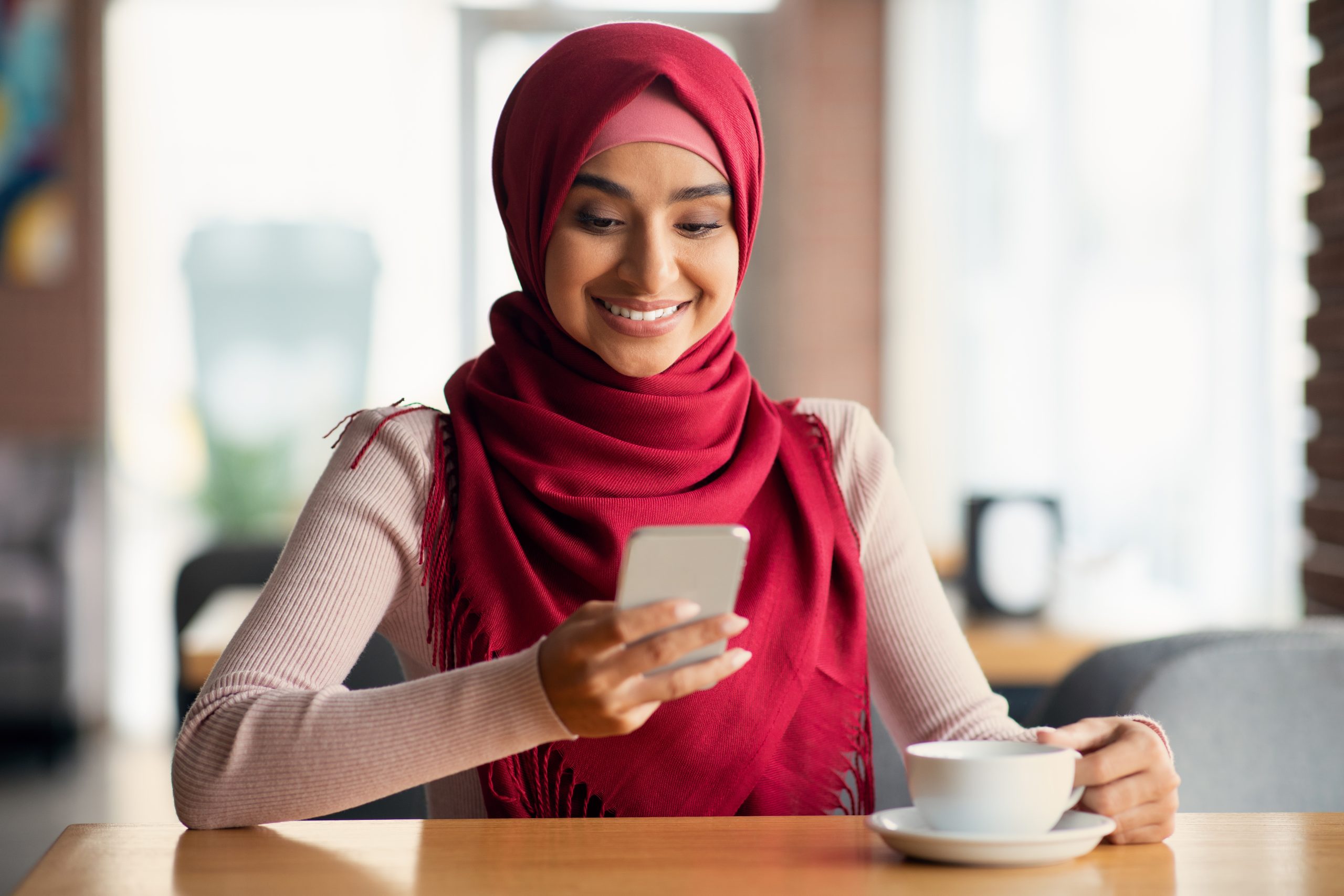
The digital era is transforming how Muslims experience coffee culture. What once required word-of-mouth and local knowledge can now be discovered through a few taps on a smartphone.
Through apps, AI, and online communities, Muslims can find cafés that respect their values — places that serve more than coffee; they serve confidence, belonging, and connection.
As technology continues to evolve, it’s doing more than changing how we find cafés — it’s redefining what it means to live Halal in the modern world.
And as Muslims around the globe sip their ethically sourced cappuccinos, they’re not just embracing innovation — they’re celebrating a faith-filled future, one cup, one click, and one café at a time.