
Eco-Friendly Coffee Shop Designs: Sustainable Spaces That Brew Change:
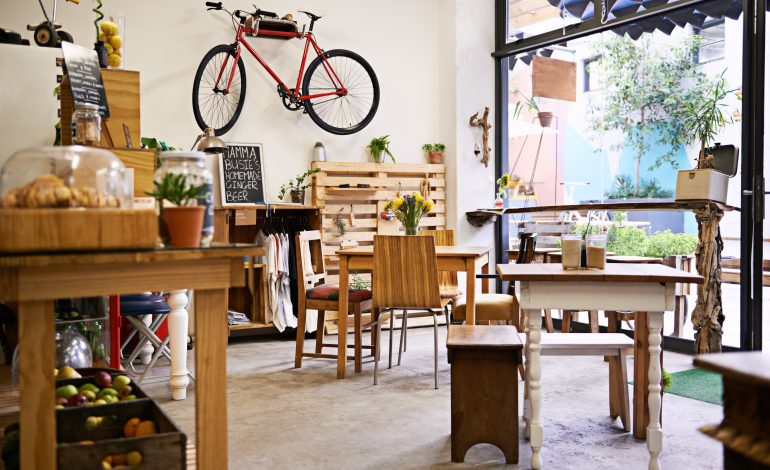

Coffee is more than a beverage—it’s a lifestyle, a culture, and for many, a daily ritual. But behind every latte art masterpiece lies an environmental story. From sourcing beans to powering espresso machines, coffee shops have a tangible impact on the planet.
That’s why a new wave of cafés is embracing eco-friendly coffee shop design—not just as a trend, but as a responsibility. Sustainable cafés are reshaping how we experience our morning cup, blending aesthetics, ethics, and innovation into one harmonious brew.
Let’s explore how thoughtful, sustainable design can transform a coffee shop into a space that not only delights customers but also gives back to the planet.
1. The Rise of Sustainable Coffee Culture:
Consumers today aren’t just looking for good coffee—they’re looking for good values. According to recent sustainability studies, over 60% of customers prefer supporting eco-conscious businesses, and coffee shops are no exception.
An eco-friendly café does more than reduce waste; it embodies a mindset of responsibility. From choosing renewable energy sources to minimizing single-use plastics, every decision tells customers that your business cares about the environment.
The best part? Sustainability and style are not opposites. In fact, today’s sustainable coffee shop designs prove that ethical spaces can be both visually stunning and operationally smart.
2. Designing with Purpose: The Heart of Eco-Friendly Architecture:
Eco-friendly design begins long before the espresso machine is plugged in. It starts with architectural intent—planning the space to use fewer resources and maximize natural efficiency.
Here’s how smart cafés are doing it:
Passive design: Large windows and skylights reduce the need for artificial lighting while creating a bright, inviting atmosphere.
Natural ventilation: Open layouts, cross-breezes, and ceiling fans keep air flowing and reduce dependency on air conditioning.
Local materials: Using regionally sourced brick, stone, or reclaimed wood lowers transportation emissions and supports nearby suppliers.
Compact spaces: Smaller floor plans mean less energy use, less waste, and often, a more intimate customer experience.
When form meets function in this way, sustainability becomes part of your brand identity—not just a line on your business plan.
3. Reclaimed, Recycled, and Reimagined Materials:
The materials you choose tell a story about your values. The new design ethos is clear: less waste, more creativity.
Reclaimed wood for counters and tables not only adds rustic charm but also reduces deforestation.
Recycled metals and glass can give a modern, industrial touch while keeping manufacturing waste minimal.
Eco-friendly flooring like cork, bamboo, or polished concrete is both durable and renewable.
Low-VOC paints (volatile organic compounds) improve indoor air quality and protect both staff and customers.
By integrating these elements, your café becomes a living example of what sustainability looks like—without sacrificing beauty or comfort.
4. Greenery as Design: Plants that Purify and Inspire:
Few things make a coffee shop feel as refreshing as the presence of greenery.
Beyond their visual appeal, plants serve a practical function—they clean the air, reduce toxins, and improve overall mood.
Consider creating:
Vertical plant walls to add texture and freshness to tight urban cafés.
Herb gardens that supply fresh mint or basil for signature drinks and snacks.
Hanging planters and potted trees for natural ambiance and acoustical balance.
Integrating greenery doesn’t just make a café Instagram-worthy—it makes it healthier and more alive.
5. Energy Efficiency: Powering Coffee with Consciousness:
Energy use is one of the biggest sustainability challenges in café operations. Espresso machines, grinders, and lighting consume substantial electricity—but with thoughtful planning, this impact can be minimized.
Sustainable coffee shops often use:
LED lighting systems that consume up to 80% less power than traditional bulbs.
Smart thermostats and motion sensors to control energy use during off-hours.
Solar panels on rooftops for renewable energy.
Energy-efficient equipment certified by ENERGY STAR or similar programs.
Not only do these upgrades reduce emissions—they also significantly cut long-term costs, making sustainability profitable.
6. Water Conservation: Every Drop Counts:
Coffee shops depend on water for everything—from brewing espresso to washing dishes. But with the right systems in place, you can save thousands of gallons each year.
Adopt these eco-friendly water practices:
Low-flow faucets and aerators to reduce consumption.
Efficient dishwashers that use less water per cycle.
Greywater recycling systems for landscape irrigation.
Filtered tap water stations instead of selling bottled water.
Even small steps—like serving water only on request—make a meaningful difference.
7. Waste Reduction and Recycling Systems:
A sustainable design isn’t complete without a plan for what happens after the coffee is poured. Waste management is a major opportunity for cafés to lead by example.
Here are practical strategies:
Replace plastic straws and cups with compostable or biodegradable options.
Introduce mug-return programs or discounts for customers who bring reusable cups.
Provide clearly labeled recycling and compost bins at visible locations.
Recycle used coffee grounds for local composting or distribute them to customers for use as plant fertilizer.
By making sustainability easy for your customers, you turn them into active participants in your mission.
8. Community and Local Impact:
Eco-friendly design extends beyond the four walls of your café—it’s also about community sustainability.
Source locally whenever possible:
Partner with local bakers, roasters, and artisans.
Use furniture and décor made by nearby craftspeople.
Collaborate with local green initiatives or host workshops on sustainability.
This not only reduces your carbon footprint but also creates a sense of belonging. Customers will see your café not just as a business, but as a meaningful part of the community fabric.
9. Digital Design: Sustainability Meets Modern Tech:
Technology can amplify eco-friendly efforts when used mindfully. Consider digital menus displayed on tablets or screens to eliminate paper waste. Use smart POS systems that email receipts instead of printing them.
Even your online presence matters—opt for green hosting providers that use renewable energy. A truly modern coffee shop is one that integrates sustainability both offline and online.
10. Designing for Longevity: Timeless, Not Trendy:
Sustainability isn’t about fleeting trends—it’s about endurance. Instead of following short-lived design fads, invest in timeless aesthetics and durable materials that won’t need frequent replacements.
Neutral color palettes, high-quality furniture, and modular layouts that can adapt over time make your coffee shop both elegant and eco-smart. Longevity is the ultimate form of sustainability.
11. Brewing Change, One Café at a Time:
Designing an eco-friendly coffee shop isn’t just about environmental compliance—it’s about building a brand that reflects integrity and care.
Every choice you make—from your lights to your latte cups—sends a message to your customers: You’re welcome here, and so is the planet.
By investing in sustainable design, you’re not just opening a coffee shop.
You’re opening a movement—one that brews change, inspires community, and shapes a greener future, one cup at a time.