Faith-Friendly Franchises: Where Halal Coffee Culture Meets Global Brands:

As coffee continues to unite people across cultures and continents, a quiet revolution is taking place — one steeped in faith, ethics, and inclusivity. Around the world, halal-friendly coffee franchises are emerging as the perfect meeting point between modern café culture and Islamic values. These brands are proving that you can build global success without compromising faith — and that great coffee can also carry meaning, purpose, and community.
This blog explores how faith-friendly coffee franchises are reshaping the industry, why halal coffee culture is on the rise, and which global brands are leading the movement.
1. The Concept of Faith-Friendly Coffee Culture:
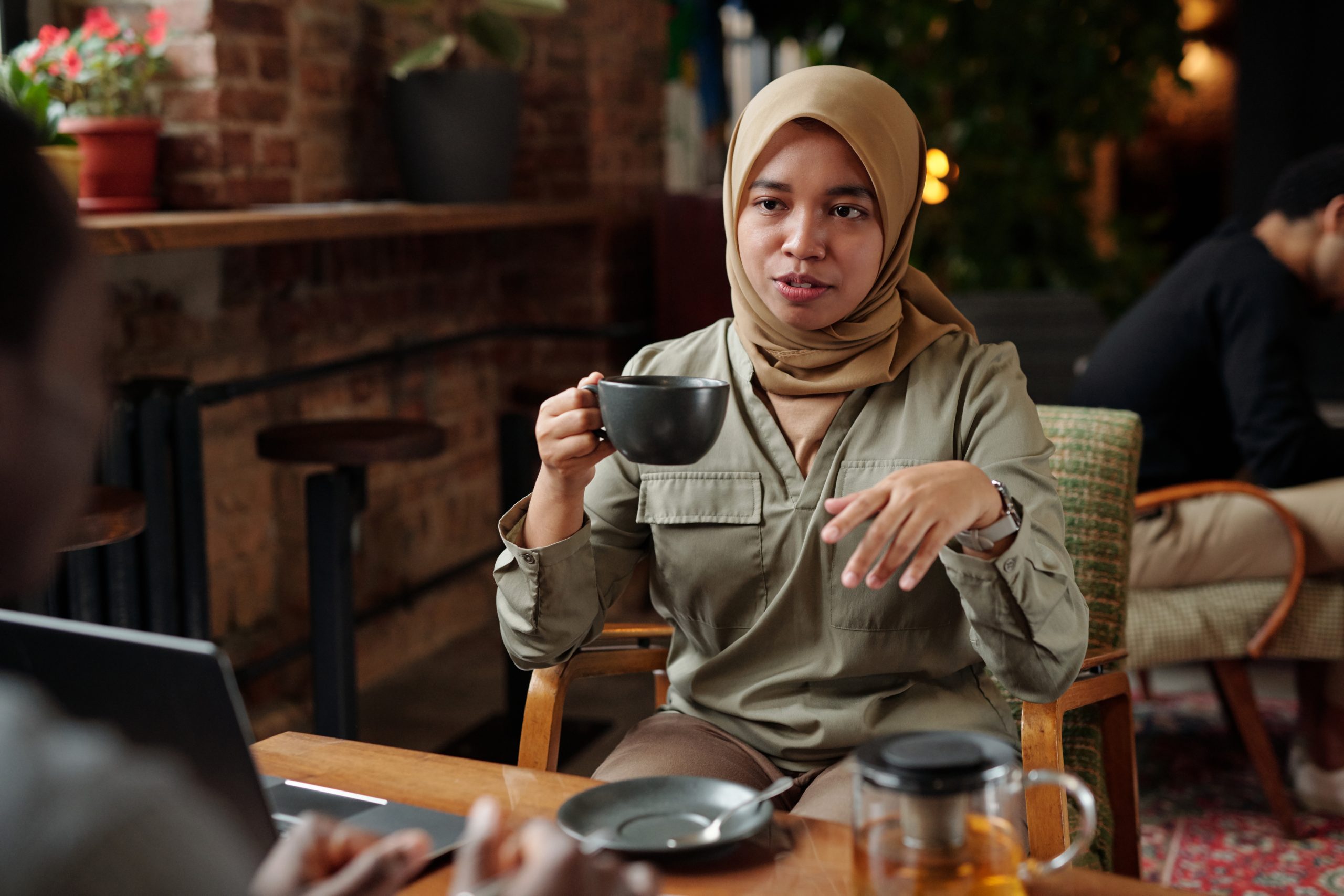
Faith-friendly coffee culture goes beyond offering halal-certified drinks. It’s about creating spaces and experiences where Muslim and non-Muslim customers alike can enjoy coffee ethically, mindfully, and inclusively.
At its core, a faith-friendly franchise emphasizes:
Halal compliance — from ingredients and flavorings to food handling practices.
Ethical sourcing — ensuring farmers and workers are treated fairly.
Community spirit — fostering belonging and togetherness across diverse backgrounds.
Sustainability — aligning with Islamic values of stewardship (khalifah) and moderation.
In short, halal coffee culture represents not just what’s permissible, but what’s purposeful.
2. The Growing Demand for Halal Coffee Franchises:
The global halal economy is booming, and coffee is no exception. With nearly 2 billion Muslims worldwide, the demand for halal-certified food and beverages is increasing at a remarkable pace.
Why It’s Growing Fast:
Young Muslim Consumers: A large portion of the Muslim population is under 35 — a generation that loves cafés, digital culture, and social connection.
Conscious Consumerism: Muslims (and many non-Muslims) are seeking ethical and transparent businesses that align with their values.
Travel and Globalization: With halal tourism on the rise, travelers look for familiar, faith-compliant cafés wherever they go.
This combination has led to the rise of faith-friendly coffee franchises — cafés that cater to Muslims while welcoming all customers, blending faith with flavor and inclusivity.
3. Global Coffee Brands Embracing Halal Culture:
Let’s look at some global and Muslim-owned franchises that are leading the way in halal-friendly coffee culture.
1. Chaiiwala of London (UK, Canada, UAE, USA):
From its humble beginnings in Leicester, Chaiiwala has grown into an international success story. Known as “The Halal Starbucks,” it blends South Asian street flavor with a modern café experience.
Their menu includes karak chai, lattes, and fusion snacks — all halal-certified. With over 70 outlets across multiple continents, Chaiiwala represents how Muslim-owned businesses can expand globally while keeping faith at the center.
Faith-Friendly Element:
Chaiiwala embodies community and tradition. Their cafés double as social spaces for families and friends to connect, reflecting Islamic values of hospitality (ikram al-daif).
2. Brew 92 (Saudi Arabia & Global):
Saudi Arabia’s Brew 92 redefines premium coffee through an Islamic lens. With elegant interiors and specialty-grade coffee, it brings together high-end brewing and cultural authenticity.
Their “coffee with purpose” philosophy focuses on sustainable sourcing and supporting local farmers, aligning with ethical and halal principles.
Faith-Friendly Element:
Brew 92 shows how luxury and faith can coexist. Every cup served honors integrity, quality, and craftsmanship — values deeply rooted in Islam.
3. Qahwah House (USA, Canada):
Founded by Yemeni-American entrepreneur Ibrahim Alhasbani, Qahwah House bridges ancient Yemeni coffee heritage with contemporary café culture.
Yemen is widely recognized as the birthplace of coffee. By sourcing directly from Yemeni farmers, Qahwah House preserves a centuries-old Islamic legacy while supporting fair trade.
Their menu includes mofawar (Yemeni espresso with cardamom) and qishr (spiced coffee with ginger and cinnamon), all made using halal ingredients.
Faith-Friendly Element:
Qahwah House is more than a coffee shop — it’s a cultural mission. Each café hosts community events and creates space for spiritual and social connection.
4. Coffeeshop Company (Austria & UAE):
While not Muslim-owned, Coffeeshop Company has adapted to halal markets in the Middle East by offering halal-certified menus and alcohol-free cafés.
Their success shows how global franchises can cater to diverse faith-based needs without losing their brand identity.
Faith-Friendly Element:
They embody inclusivity by respecting regional cultures and religious guidelines, showing that faith-conscious adaptation can open new global markets.
5. Café Barbera (Italy, UAE, Malaysia):
Established in 1870 in Naples, Café Barbera is one of the oldest coffee brands in the world. Its expansion into Muslim-majority regions like Malaysia and the UAE led to its embrace of halal certification and Muslim-friendly branding.
With its Italian roots and halal offerings, Café Barbera proves that respecting cultural and religious contexts can strengthen global brand loyalty.
Faith-Friendly Element:
Their halal-certified operations in Muslim markets highlight how global brands can evolve respectfully and inclusively.
4. How Faith-Friendly Franchises Foster Inclusivity:
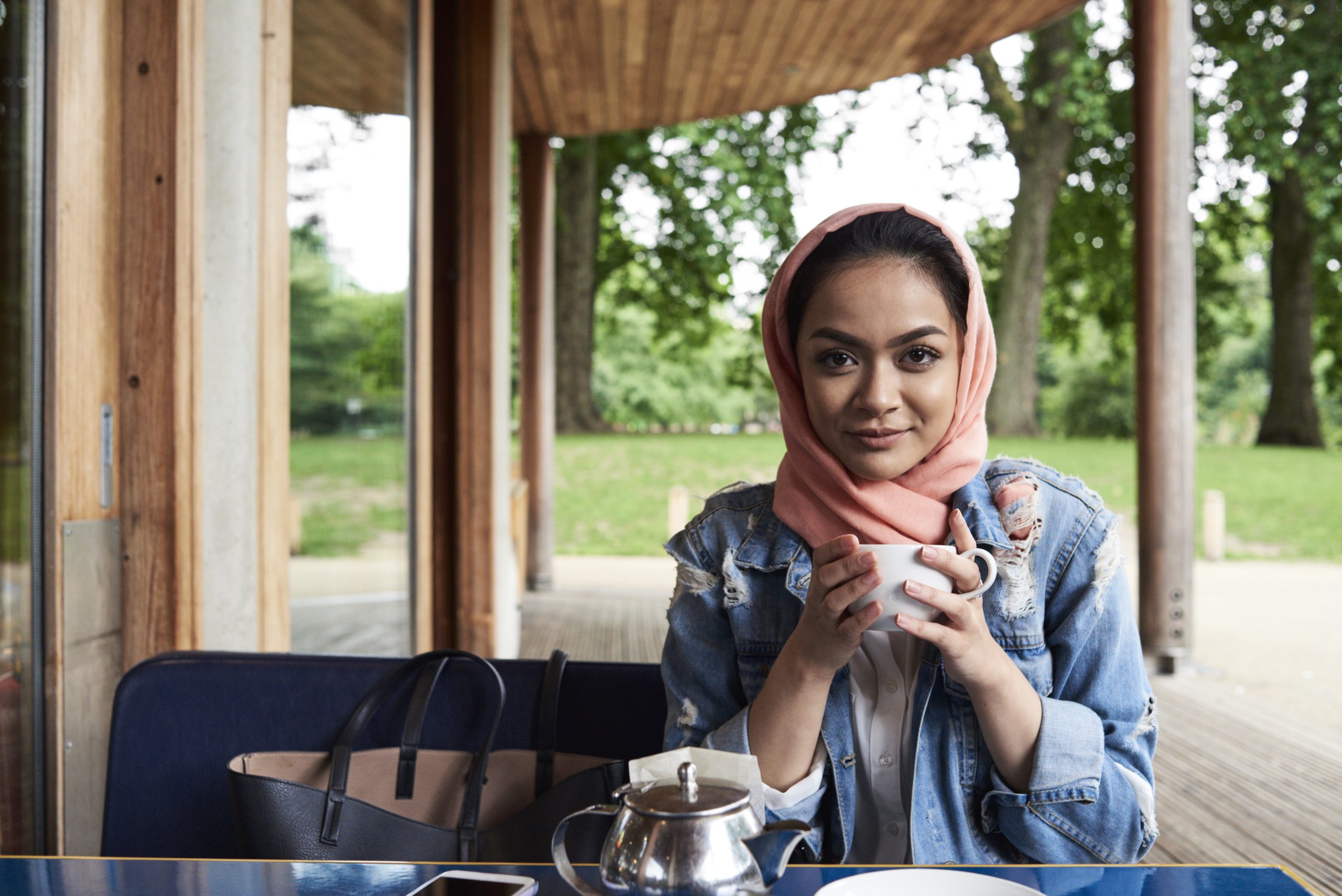
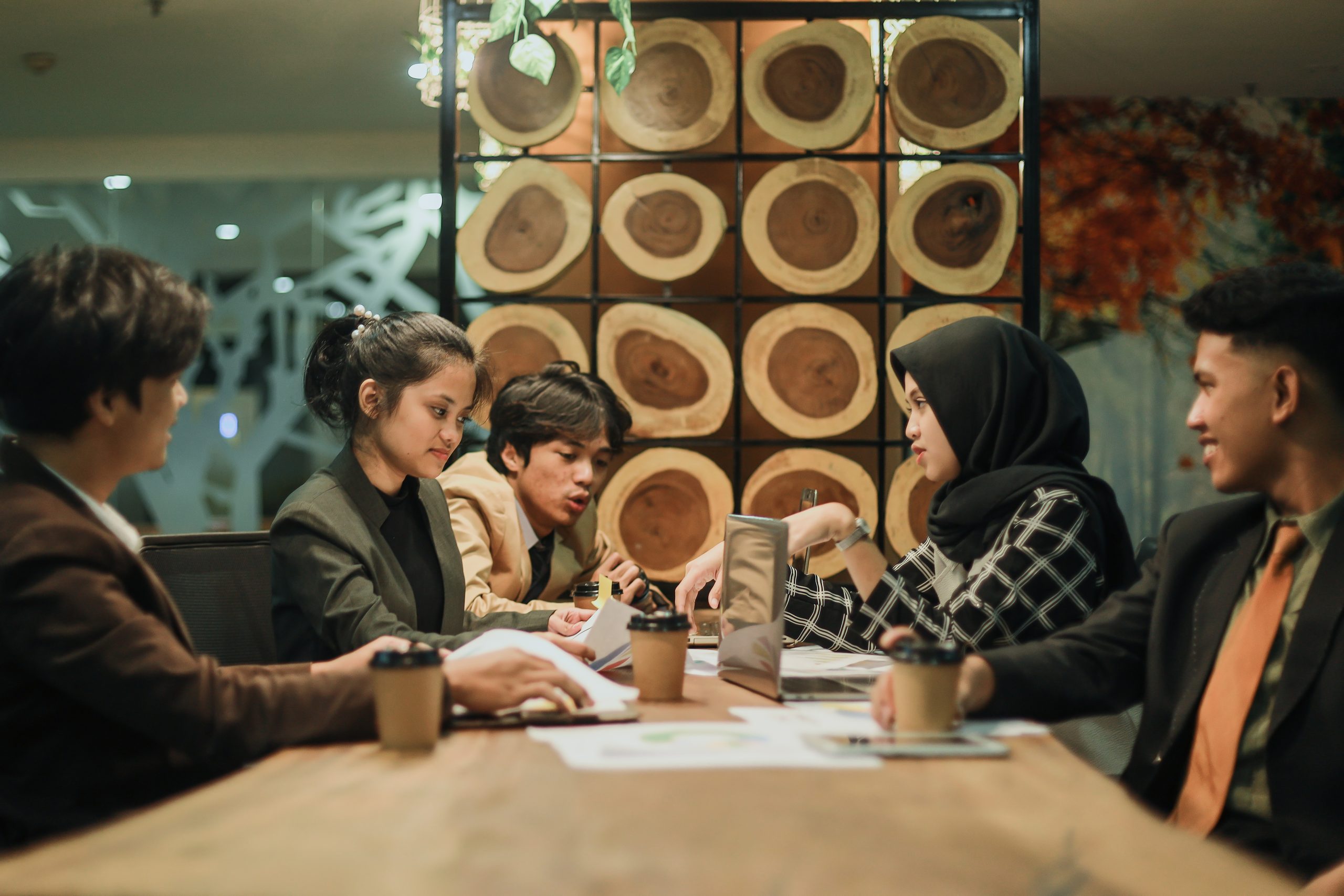
Faith-friendly franchises are not exclusive to Muslims. Their true strength lies in how they create shared spaces where everyone — regardless of background — feels welcome.
Here’s how they foster inclusivity through faith-driven business models:
a. Creating Safe and Welcoming Spaces:
Many halal cafés avoid alcohol, making them ideal for families and individuals who prefer sober, clean environments. These cafés naturally become community hubs where people connect over shared values.
b. Supporting Local Communities:
Faith-friendly brands often engage in charity, local events, and youth empowerment programs. This community-centered approach builds trust and loyalty — qualities that resonate universally.
c. Promoting Ethical Business Practices:
Halal certification goes hand in hand with integrity. Transparent sourcing, fair wages, and sustainable farming all appeal to conscious consumers beyond religious lines.
5. Challenges in Merging Faith and Franchise Models:
While the success stories are inspiring, faith-friendly coffee franchises face unique hurdles:
Certification Complexity: Ensuring halal compliance across multiple countries can be costly and time-consuming.
Perception Gap: Some non-Muslims mistakenly assume halal cafés are exclusive, when in reality they’re open to all.
Maintaining Authenticity While Scaling: As franchises grow globally, keeping the same halal integrity and spiritual ethos becomes more challenging.
Despite these challenges, forward-thinking entrepreneurs are finding innovative solutions — partnering with global certification agencies, implementing staff training, and using transparent supply chains.
6. The Future of Faith-Friendly Coffee Franchises:
The future of halal and faith-friendly coffee brands is bright. Here’s what to expect in the coming years:
Mainstream Recognition: Major coffee chains will continue introducing halal-certified products and alcohol-free zones in Muslim-majority regions.
Muslim-Owned Global Expansion: Brands like Chaiiwala and Qahwah House are just the beginning — expect more Muslim-led franchises entering international markets.
Tech-Driven Transparency: Apps that trace halal sourcing and sustainability practices will enhance trust.
Faith-Lifestyle Integration: Coffee shops will increasingly double as community hubs for interfaith dialogue, education, and charity.
These trends highlight a simple truth — the values that define halal coffee culture (honesty, sustainability, inclusivity) are universal.