Faith in Every Cup: The Top Muslim-Owned Coffee Shops Redefining Café Culture:

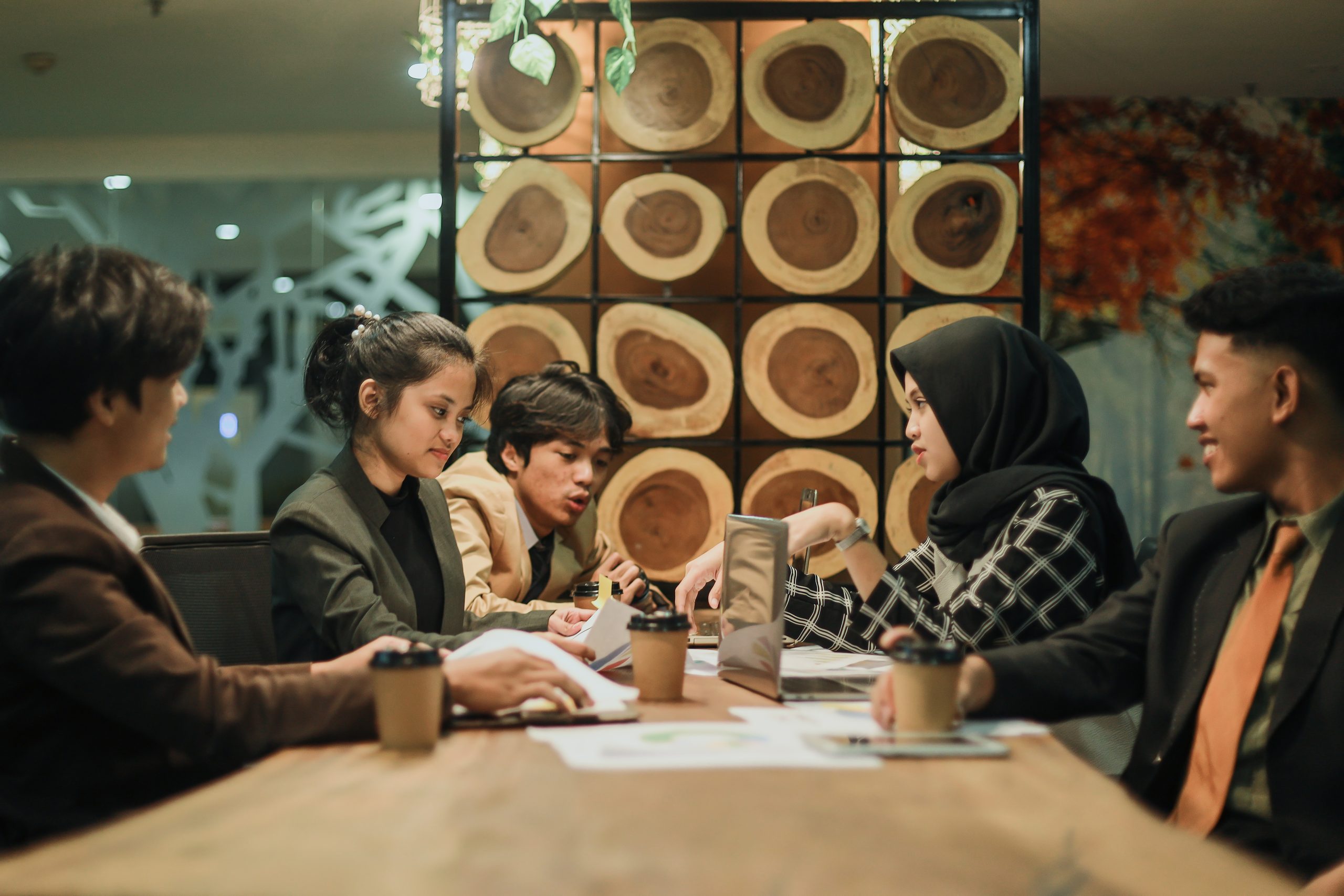
Coffee has always been a symbol of connection — a moment to pause, reflect, and share ideas. But in recent years, Muslim-owned coffee shops have been redefining what café culture means. Blending faith, creativity, and community, these cafés are crafting spaces that go beyond serving coffee — they serve purpose.
Rooted in ethical practices, hospitality, and cultural pride, these establishments are proving that coffee can be both meaningful and modern. Let’s explore how Muslim entrepreneurs around the world are reshaping café culture — one cup of barakah (blessing) at a time.
1. The Faith Behind the Flavor: How Islam Inspires Coffee Culture:
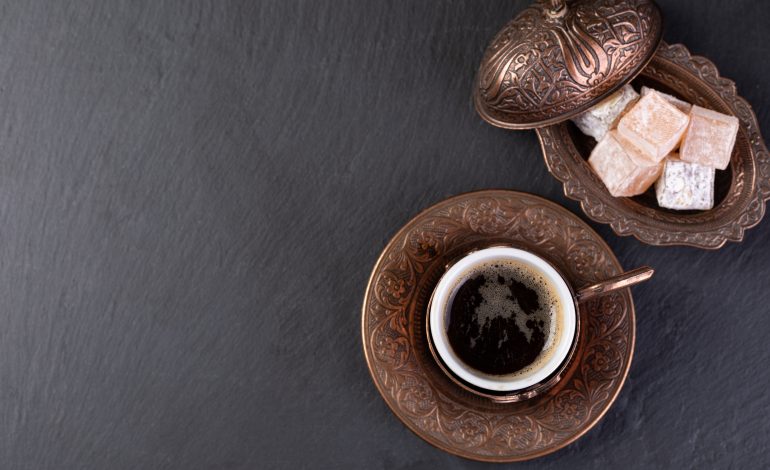
Coffee’s origins trace back to the Muslim world — specifically Yemen, where Sufi mystics drank it to stay awake during long nights of worship. From there, coffee spread through the Ottoman Empire and across the globe, becoming one of the most beloved beverages in history.
Today, Muslim-owned cafés are reconnecting with those roots, bringing integrity and spirituality back into the cup. These entrepreneurs are guided by Islamic principles like honesty (sidq), excellence (ihsan), and barakah (divine blessing) — values that shape how they source, serve, and share coffee.
For many, faith influences every step — from choosing ethically sourced beans to creating inclusive spaces where everyone feels welcome. Their approach reminds us that coffee isn’t just about caffeine — it’s about connection and consciousness.
2. The Rise of Muslim-Owned Coffee Shops Around the World:
Across the globe, Muslim entrepreneurs are building coffee brands that reflect both their heritage and their modern vision. Let’s take a look at some standout examples of how faith meets innovation in the world of coffee.
1. Qahwah House (Dearborn, Michigan, USA):
Founded by Ibrahim Alhasbani, Qahwah House celebrates Yemen’s centuries-old coffee tradition. With locations in Dearborn and Brooklyn, it’s more than a café — it’s a cultural experience.
Each cup tells a story of Yemen’s rich coffee history, featuring drinks like qishr (a traditional spiced coffee with ginger and cinnamon) and mofawar (Yemeni espresso with cardamom). The brand is built on values of sustainability and ethical trade, sourcing directly from Yemeni farmers.
Beyond its delicious brews, Qahwah House has become a symbol of resilience and cultural pride for the Yemeni diaspora — a place where customers sip coffee and reconnect with their roots.
2. Salam Café (London, UK):
In the heart of London, Salam Café has become a haven for Muslim and non-Muslim coffee lovers alike. Founded by a group of young British Muslims, the café’s mission is rooted in its name — “Salam,” meaning peace.
The owners envisioned a space where diversity thrives and conversations flow freely. Serving ethically sourced beans and halal-certified treats, Salam Café blends faith with flavor.
Its minimalist design and calming atmosphere invite reflection — perfect for anyone seeking a moment of peace amid the city’s hustle. The café regularly hosts community nights, charity fundraisers, and open mic events, turning it into a hub for creativity and social good.
3. 786 Degrees Coffee (Toronto, Canada):
A creative and community-driven café, 786 Degrees Coffee is a celebration of modern Muslim identity. With a name symbolizing bismillah (in the name of God), every cup serves as a reminder of gratitude and intention.
The café’s founders emphasize ethical sourcing, halal certification, and sustainability. Their menu includes innovative options like saffron cold brew and pistachio lattes, blending Eastern flavors with Western coffee culture.
More than just a café, 786 Degrees also uses its space for youth mentorship, art showcases, and local collaborations — promoting entrepreneurship within the Muslim community.
4. Chaiiwala of London (UK, Canada, UAE, USA):
While tea is their specialty, Chaiiwala has quickly become one of the most popular Muslim-owned café franchises globally — and their coffee offerings are just as impressive.
The brand combines the nostalgia of South Asian street cafés with a modern twist, offering chai, espresso drinks, and halal snacks. Their success story shows how Muslim entrepreneurs are scaling traditional café concepts into global brands without compromising cultural authenticity.
Chaiiwala’s success lies in its inclusivity — it’s not just for Muslims; it’s for anyone seeking good vibes, good food, and good conversation.
5. %Arabica (Kuwait & Global):
Founded by Kuwaiti entrepreneur Kenneth Shoji, %Arabica has become a global coffee powerhouse with minimalist aesthetics and exceptional quality. With locations across Asia, the Middle East, and Europe, it’s a shining example of how Muslim-led vision can influence global café trends.
Despite its international appeal, the brand’s Middle Eastern roots remain visible — from its attention to detail to its focus on craftsmanship and community.
3. The Core Values Defining Muslim-Owned Cafés:
Muslim-owned coffee shops may differ in style and location, but they share common principles that set them apart in today’s café culture:
a. Ethical and Halal Practices:
From bean to cup, Muslim-owned cafés prioritize transparency and integrity. Many source from fair-trade farms, ensuring that farmers are paid justly. They also ensure all ingredients — from syrups to pastries — are halal-certified, making their offerings inclusive and accessible.
b. Inclusivity and Community Spirit:
These cafés are designed to be welcoming spaces for everyone. Whether you wear a hijab or a hoodie, you’ll find comfort, respect, and warmth. Many also host events that encourage cultural exchange and understanding — embodying the Qur’anic value of ta’aruf (getting to know one another).
c. Sustainability and Stewardship:
Islam teaches humans to be caretakers of the Earth (khalifah), and many Muslim entrepreneurs take this responsibility seriously. From eco-friendly packaging to zero-waste policies, they’re leading the way in sustainable café practices.
d. A Purpose-Driven Approach:
For Muslim café owners, success isn’t just about sales — it’s about service. Many reinvest profits into community causes, youth development programs, or humanitarian aid. Their goal is to create businesses that serve both people and purpose.
4. How Muslim Entrepreneurs Are Redefining Café Culture:
The new generation of Muslim-owned coffee shops isn’t just following trends — they’re creating them. By blending traditional hospitality with modern branding, they’re building café experiences that feel both spiritual and stylish.
They are redefining café culture in three powerful ways:
Faith as Foundation, Not Limitation – Their Islamic values don’t restrict creativity; they enhance it. These cafés show that you can be both devout and innovative.
Cultural Fusion – From Yemeni coffee ceremonies to Indonesian blends and Turkish brewing methods, they celebrate diversity within the Muslim world.
Community Over Competition – Many Muslim entrepreneurs collaborate instead of competing, seeing success as a shared journey rather than a solo race.
This approach has made their cafés more than just coffee stops — they’re cultural spaces, bridges between communities, and symbols of empowerment.
5. Supporting Muslim-Owned Coffee Shops: A Simple Act with Big Impact:
When you buy coffee from a Muslim-owned café, you’re not just purchasing a drink — you’re supporting ethical business, diversity, and local entrepreneurship. You’re helping communities grow, cultures thrive, and small businesses succeed.
Here’s how you can make a difference:
Seek out local Muslim-owned cafés in your area. Use hashtags like #MuslimOwned or #HalalCoffee on Instagram to find them.
Share your experience online. Word-of-mouth and reviews go a long way for small businesses.
Engage with their community events. Attend charity nights, art showcases, or faith-inspired discussions hosted at these cafés.