From Bean to Belief: How Emerging Halal Coffee Brands Are Changing the Way We Drink:

Coffee has always been more than a drink — it’s a ritual, a community builder, and for many, a source of daily comfort. But as the world becomes more conscious about what we consume and how it’s made, a new kind of coffee culture is emerging — one rooted in faith, ethics, and integrity.
Across the globe, Halal coffee brands are rising, offering more than caffeine. They’re delivering a meaningful message: that every cup of coffee can reflect values like fairness, purity, sustainability, and spiritual mindfulness.
This isn’t just about labeling products “Halal.” It’s a growing movement where faith meets flavor — transforming the way Muslims and non-Muslims alike think about their morning brew.
1. What “Halal” Means in the World of Coffee:
In Islamic terms, Halal means “permissible” — but in the context of coffee, it extends far beyond ingredients. It includes how the beans are sourced, processed, and even how the business operates.
A truly Halal coffee brand ensures that:
Ingredients are free from alcohol, non-Halal animal derivatives, or contamination.
Products are ethically sourced and fairly traded.
The brand’s profits, marketing, and partnerships align with moral and sustainable practices.
“Halal coffee isn’t just about avoiding haram — it’s about embracing purity in every step of the journey,” says Aisha Rahman, founder of Brew & Barakah in Kuala Lumpur.
In short, Halal coffee represents an ethical ecosystem where spirituality, community, and quality coexist seamlessly.
2. The Global Rise of Halal Coffee Brands:
The global coffee market is worth over $120 billion, and the Halal sector is growing rapidly alongside it. As Muslim consumers become more discerning and health-conscious, demand for Halal-certified, ethical beverages has exploded.
From Malaysia to Canada, entrepreneurs are blending modern branding with Islamic principles to create coffee experiences that appeal to both faith-driven and ethically minded customers.
This movement is part of a larger global trend toward “conscious consumption” — people want to know where their coffee comes from, who made it, and what values the brand stands for. Halal coffee bridges this gap beautifully, merging sustainability with spirituality.
3. From Bean to Belief: The Journey of Halal Coffee:
a) The Bean: Ethical and Transparent Sourcing:
Most Halal coffee brands go beyond certification to ensure that their sourcing is clean and just. They partner with small farms in Indonesia, Ethiopia, and Yemen, ensuring farmers are paid fair wages and that production methods respect both the Earth and human dignity.
“We see coffee as a blessing — not a commodity,” says Bilal Ali, co-founder of Grounded in Deen (Chicago). “Every bean carries responsibility.”
This emphasis on ethical sourcing aligns perfectly with Islamic teachings of justice (adl) and stewardship (khalifah). The result? Coffee that tastes good — and does good.
b) The Roast: Purity in Production:
Unlike some commercial roasters that use alcohol-based flavor extracts, Halal roasters maintain strict purity standards.
They ensure:
Flavored syrups are ethanol-free.
Equipment is not cross-contaminated with non-Halal substances.
Facilities are maintained with high hygiene standards (taharah).
Every roast, grind, and blend becomes a form of mindful craftsmanship — honoring both the bean and the belief.
c) The Cup: Conscious Enjoyment:
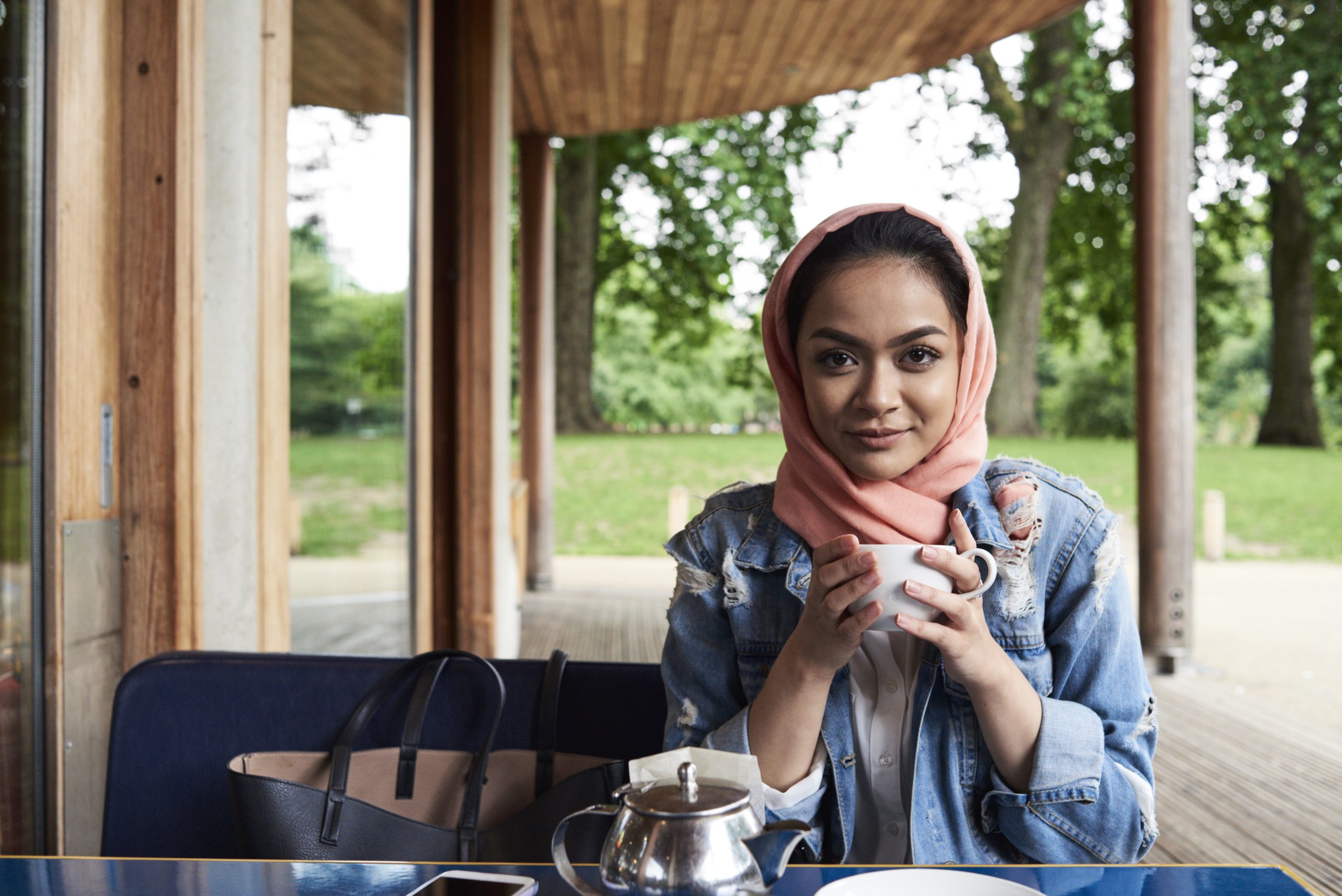
Halal coffee brands also focus on creating environments that are welcoming, modest, and inclusive. Cafés often provide alcohol-free menus, prayer-friendly spaces, and community-based events — redefining the café experience for Muslim and ethical consumers alike.
4. The Pioneers: Brands Brewing Faith and Flavor:
Here are a few emerging Halal coffee brands that are reshaping how we drink — one mindful sip at a time.
1. Brew & Barakah (Malaysia):
This Kuala Lumpur-based brand combines Islamic values with sustainability. Its beans are sourced ethically from Indonesia, roasted locally, and packaged in eco-friendly materials. The company also donates a percentage of profits to charitable causes.
Their motto, “Coffee with Conscience,” captures the spirit of modern Halal entrepreneurship.
2. Grounded in Deen (USA):
Based in Chicago, Grounded in Deen blends specialty-grade coffee with a strong social mission. Each purchase supports youth empowerment and refugee programs. Their blends, named Sabr Roast and Tawakkul Espresso, remind consumers that coffee can be both delicious and spiritually uplifting.
3. The Faithful Bean (UK):
In London, The Faithful Bean has become a model for inclusive café culture. Fully Halal-certified by HFA (Halal Food Authority), it features modest interiors, family-friendly spaces, and community workshops. Its popularity proves that respecting Islamic ethics can coexist with modern design and urban lifestyle.
4. Deen Coffee Roasters (Canada):
Toronto’s Deen Coffee Roasters emphasizes quality and reflection. Its packaging features verses about gratitude and mindfulness, reminding drinkers that coffee is a form of rizq — a gift of sustenance. The brand’s educational workshops also teach Muslim youth about ethical business ownership.
5. Qahwa & Co. (Dubai):
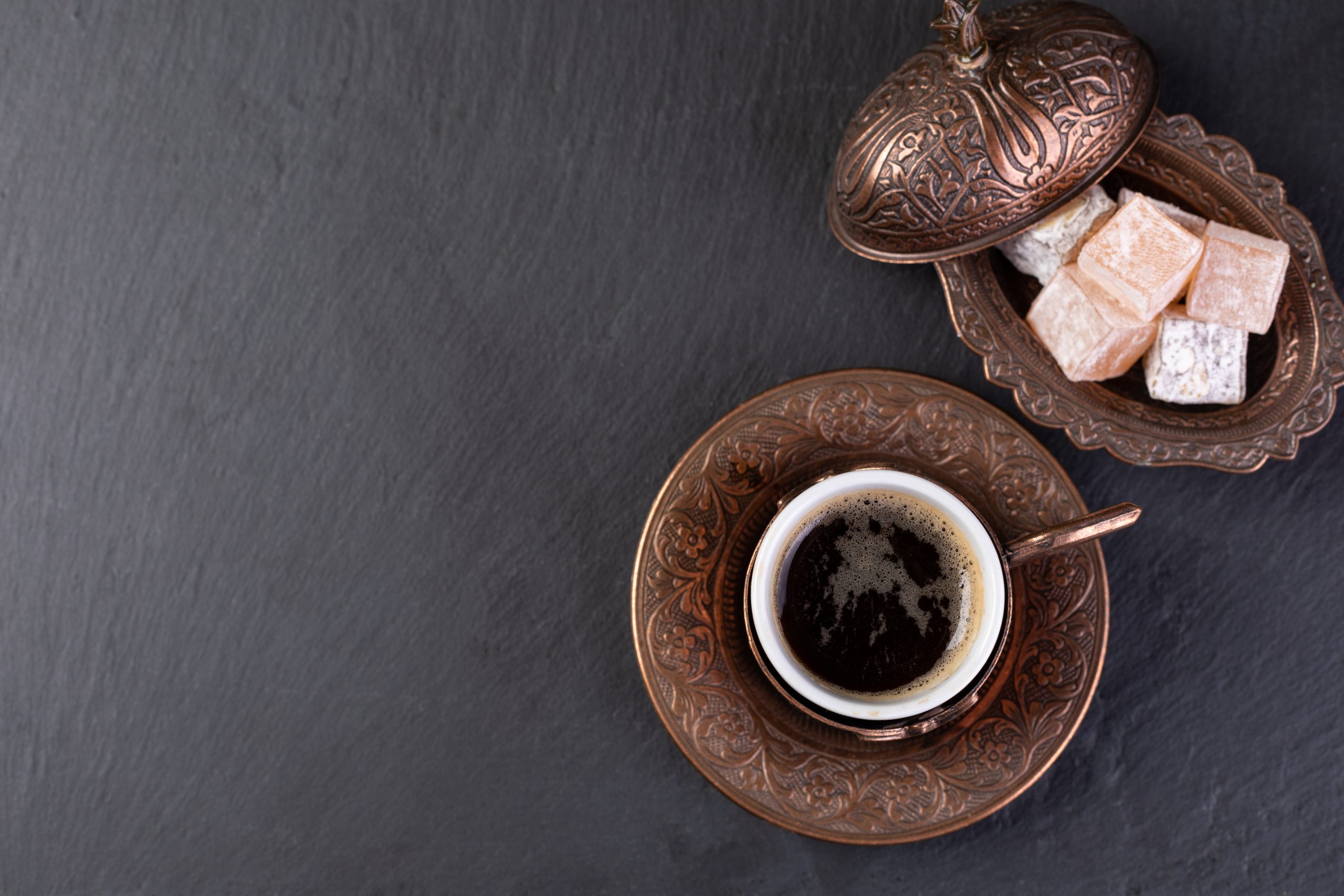
Drawing from Arabic heritage, Qahwa & Co. celebrates centuries-old coffee traditions with a contemporary twist. Using cardamom, saffron, and ethically sourced beans, their brews pay homage to Arab hospitality while remaining alcohol-free and fully Halal-certified.
5. Beyond Certification: The Ethics That Define Halal Coffee:
While Halal certification is important, authenticity goes deeper. These brands are changing the industry not just through compliance, but through character.
They champion values that echo the Prophet Muhammad ﷺ’s teachings on fairness, cleanliness, and social responsibility:
| Principle | How Halal Coffee Brands Practice It |
|---|---|
| Purity (Tayyib) | Alcohol-free flavoring, clean facilities, organic farming. |
| Justice (‘Adl) | Fair wages for farmers and transparent trade. |
| Sustainability (Mizan) | Eco-friendly packaging and waste reduction. |
| Integrity (Amanah) | Honest labeling and open communication with consumers. |
| Community (Ummah) | Hosting charity events, supporting small Muslim businesses. |
By living these values, Halal coffee companies are raising the bar for global coffee culture — one cup at a time.
6. The Cultural Shift: Coffee as a Faith Experience:
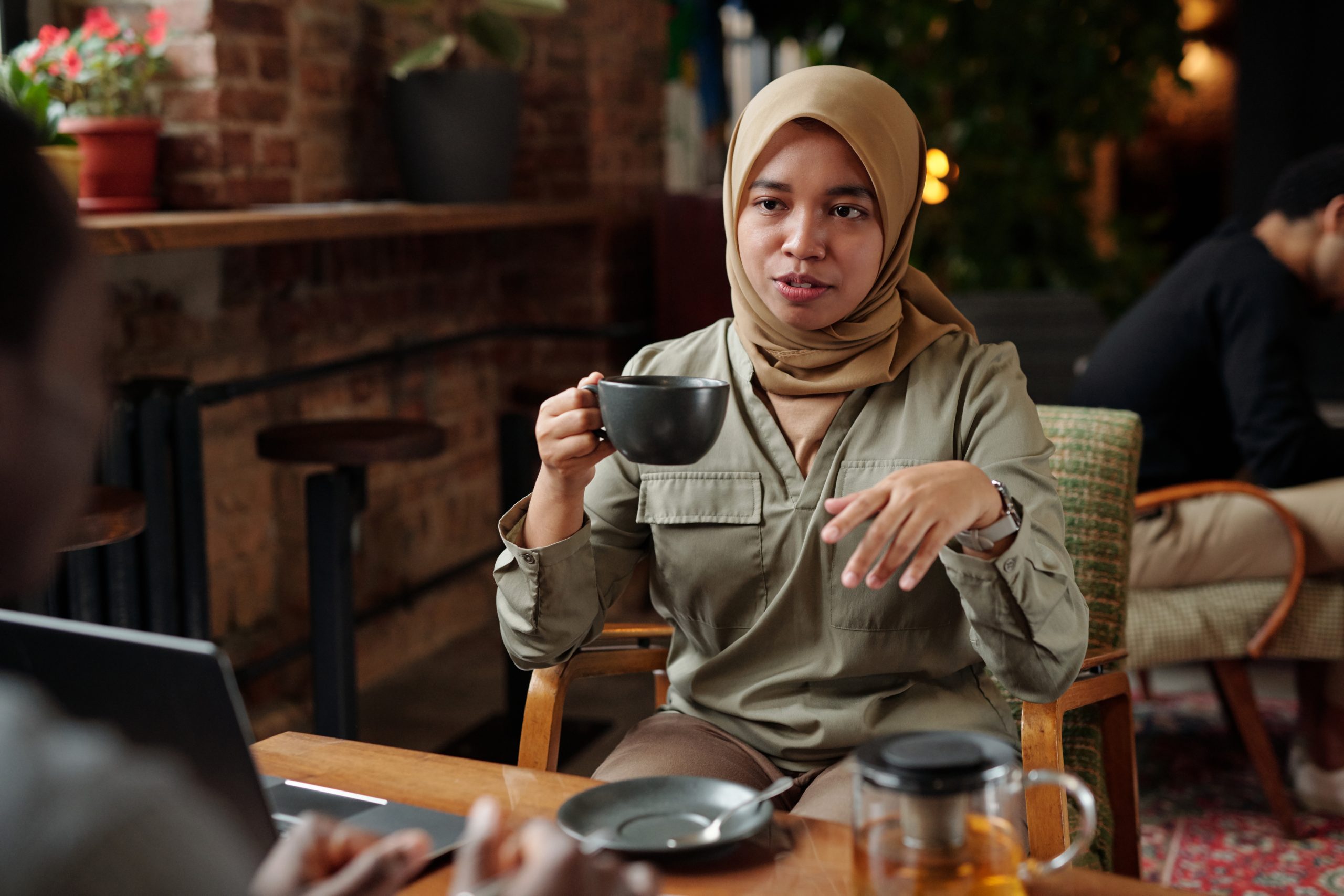
In many Muslim communities, coffee has historically been more than a drink — it’s part of conversation, reflection, and hospitality. Modern Halal cafés are reviving that tradition, turning coffee drinking into a form of connection and mindfulness.
Whether it’s a quiet corner for journaling after Fajr or a group discussion about ethics over lattes, these spaces bring people together with purpose.
“When you sip a Halal coffee, you’re not just fueling your body — you’re grounding your faith,” says Nurul Fadilah, founder of Brew Hijrah Café in Singapore.
This cultural evolution shows that coffee can be spiritual — a mindful pause in the chaos of modern life.
7. The Future: Technology and Expansion:
Halal coffee is not just a trend — it’s an industry ready for global scale. As e-commerce grows, many Halal brands are now shipping worldwide, using AI-driven traceability tools to verify their sourcing chains.
Future developments may include:
Blockchain-based Halal verification, ensuring supply transparency.
Subscription services for monthly Halal coffee boxes.
Augmented reality café experiences, merging tech and culture.
As demand increases, major global chains are also taking notice, exploring partnerships with Halal roasters and suppliers.
8. Why It Matters: Faith Meets the Future of Business:
Halal coffee represents something far bigger than a beverage trend. It’s a symbol of how modern Muslims are reclaiming entrepreneurship with ethics, creating brands that align profit with purpose.
These emerging companies show that faith-based business models can thrive in a competitive, globalized market — not by excluding others, but by inspiring inclusivity through integrity.
Consumers — Muslim or not — are drawn to this sincerity. They know that when they buy from a Halal brand, they’re supporting more than coffee; they’re supporting fairness, community, and conscious living.
9. Conclusion: Every Sip Tells a Story:
From the farms of Sumatra to cafés in London and Dubai, Halal coffee is rewriting the story of how we drink. It’s proving that belief and business can blend beautifully — that ethical choices can taste as good as they feel.
So the next time you take a sip of coffee, think about where it came from — the farmer who harvested it, the roaster who preserved its purity, and the café that served it with honesty.
Because in the Halal coffee revolution, every bean is more than a product — it’s a principle.
And every cup is more than caffeine — it’s a connection between faith and flavor, between soul and sustainability.
Welcome to the new era of coffee.
Where beans meet belief, and every sip becomes an act of mindfulness.