
From Bean to Brew: Understanding the Unique Appeal of Specialty Coffee Over Commercial Chains:

In the world of coffee, the debate between specialty coffee shops and commercial chains has been brewing for years. Specialty coffee shops have become hubs of artisanal brewing, offering unique experiences, top-tier beans, and meticulously crafted coffee. On the other hand, commercial chains like Starbucks, Dunkin’, and Tim Hortons provide a sense of familiarity and convenience, with an emphasis on quick service and consistency.
While both have their loyal followings, there’s something inherently special about the specialty coffee experience. From the sourcing of beans to the brewing techniques, specialty coffee shops offer a level of detail and passion that sets them apart from the larger, more commercialized coffee chains. In this blog, we’ll explore the unique appeal of specialty coffee and why it continues to attract coffee enthusiasts from around the world.
What is Specialty Coffee?
Before we dive into the differences, it’s important to understand what defines specialty coffee. Specialty coffee refers to high-quality coffee that is sourced, roasted, and brewed with careful attention to every detail in the process. This includes:
Sourcing: Specialty coffee is typically sourced from specific farms or regions known for producing high-quality beans. These beans are often single-origin, meaning they come from one specific location, which contributes to their unique flavor profile.
Grading: Specialty coffee is graded based on its flavor, acidity, body, and aftertaste. Only coffees that score 80 points or higher on a 100-point scale (based on the Specialty Coffee Association’s grading system) are considered specialty coffee.
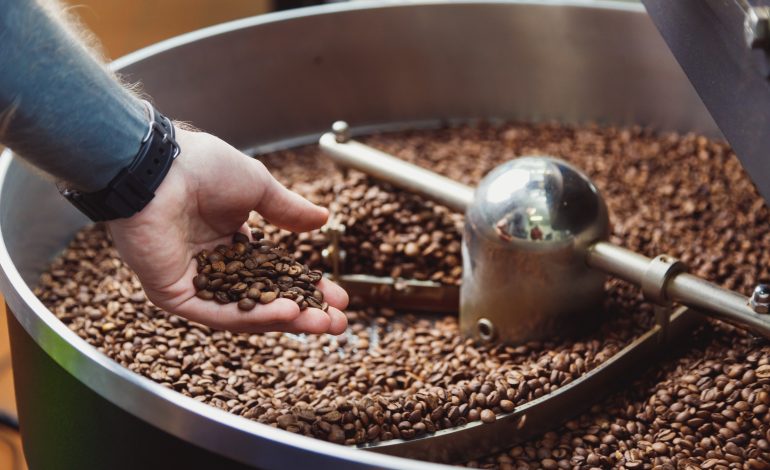
Roasting: Specialty coffee roasters take a more hands-on approach to roasting, focusing on bringing out the natural flavors of the beans rather than masking them with overly dark roasts.
Brewing: The brewing process at specialty coffee shops is intentional and precise. Baristas focus on brewing methods like pour-over, siphon brewing, and Chemex to highlight the nuances in flavor and aroma of the coffee.
In contrast, commercial chains typically serve mass-produced coffee with a focus on consistency and convenience rather than quality and unique flavor profiles.
1. Exceptional Coffee Quality:
Specialty Coffee: A Focus on Flavor:
The most significant appeal of specialty coffee is its superior quality. The beans used in specialty coffee are sourced from reputable farms, often in direct partnerships with farmers, and are chosen for their unique characteristics. These beans are then roasted with precision to bring out the best flavors, which can range from fruity and floral to chocolatey and nutty, depending on the origin and roasting method.
Specialty coffee shops pride themselves on offering a wide variety of brewing methods, each designed to extract the optimal flavor from the beans. From pour-overs and Aeropress to espresso and cold brew, these methods allow for a more nuanced coffee experience that many commercial chains simply can’t replicate.
Commercial Chains: Consistency Over Quality:
While commercial chains like Starbucks and Dunkin’ offer a consistent coffee experience, their focus is often on speed and accessibility rather than exceptional quality. The beans are typically sourced from larger suppliers, and the roasting process is designed to create uniformity across thousands of locations. While this ensures consistency, it may also mean that the coffee lacks the depth and complexity found in specialty shops.
For example, a Starbucks espresso might taste similar no matter where you are, but the flavor profile may be more generalized and less distinct than a specialty espresso crafted by a skilled barista at a local shop. Commercial chains also tend to favor darker roasts, which can sometimes overpower the natural flavors of the beans.
2. The Barista’s Craft: From Bean to Brew:
Specialty Coffee: The Art of Brewing:
Baristas in specialty coffee shops are more than just employees—they’re coffee artisans. These baristas undergo rigorous training in both the science and the art of brewing. Their focus is on bringing out the unique flavors of each bean, adjusting factors such as grind size, water temperature, and brewing time to ensure the coffee is brewed to perfection.
Specialty coffee shops also offer a variety of brewing methods, giving you the option to explore different ways to experience the same coffee. A pour-over, for example, allows the barista to control the water flow to extract the coffee’s delicate flavors, while a siphon brew uses vacuum pressure to create a full-bodied, clean cup. These techniques require a deeper understanding of coffee and an attention to detail that’s often absent in commercial chains.
Commercial Chains: Speed and Simplicity:
In contrast, commercial coffee chains prioritize efficiency. While their baristas are trained to make coffee quickly and consistently, they may not always be experts in the subtleties of brewing. The brewing process at commercial chains tends to be automated, with espresso machines that do most of the work. This approach sacrifices the ability to fine-tune each cup to highlight the coffee’s best qualities.
At commercial chains, the focus is more on the speed and convenience of getting coffee into your hands rather than offering a personalized or intricate brewing process. This is great for those who need their coffee fast but doesn’t offer the same opportunity to truly savor and appreciate the craft behind the coffee.
3. The Experience: A Place for Coffee Lovers:
Specialty Coffee: A Place to Explore and Learn:
One of the unique appeals of specialty coffee shops is the experience they offer. These cafés often take the time to educate their customers about the beans, the brewing process, and the flavor profiles of different coffees. Baristas are often more than just servers—they’re experts who can answer questions and engage in conversations about coffee.
Many specialty coffee shops also offer coffee tastings or “cupping” events, where customers can sample a variety of coffees and learn how to discern the flavors. This interactive approach helps foster a deeper connection with coffee and creates a community of coffee enthusiasts who appreciate the craft behind each cup.
Commercial Chains: Familiarity and Convenience:
While commercial chains like Starbucks and Dunkin’ provide a more standardized experience, they excel in offering familiarity and convenience. Whether you’re traveling to a new city or just running errands in your hometown, you can walk into any Starbucks or Dunkin’ and know exactly what to expect. There’s comfort in this consistency, and for many people, that’s all they need.
However, for coffee lovers who want to dive deeper into the world of coffee, the experience at commercial chains can feel somewhat limited. While they may offer a variety of drinks on the menu, the focus is often on convenience and speed rather than creating an educational or immersive experience.
4. Price Point: Value vs. Affordability:
Specialty Coffee: A Premium Price for a Premium Product:
With all the attention to detail in sourcing, roasting, and brewing, specialty coffee does come at a premium. Specialty coffee shops often charge more per cup due to the higher quality of the beans, the craftsmanship of the brewing, and the sustainability practices they prioritize. However, for many coffee enthusiasts, the extra cost is worth the exceptional experience and taste.
Commercial Chains: Budget-Friendly Options:
On the other hand, commercial coffee chains offer a more budget-friendly option. Their drinks are often priced lower, making them more accessible for those on the go or those who don’t want to spend a lot on their daily caffeine fix. While the quality may not be as high as specialty coffee, commercial chains provide a quick, affordable option for those who prioritize convenience over craftsmanship.