From Independent Brews to Franchise Favorites: The Pros and Cons of Local vs. National Coffee Chains:


Coffee has become much more than just a morning ritual—it’s a social experience, a creative fuel, and a comfort zone for millions around the world. With the rise of both independent coffee shops and massive national coffee chains, coffee drinkers today have more options than ever before. The question is: which type of coffee shop is right for you? Should you opt for the artisanal, hand-crafted experience at a local café, or does the familiarity, consistency, and convenience of a national chain meet your needs?
In this blog, we’ll explore the pros and cons of both local coffee shops and national coffee chains to help you decide which brew is right for your next coffee run.
Local Coffee Shops: The Art of Crafting a Perfect Cup:
The Pros of Local Coffee Shops:
1. Quality and Personalization:
Local coffee shops are often passionate about the quality of the coffee they serve. They tend to source high-quality beans from small roasters or even directly from farmers, ensuring the freshest and most flavorful coffee. Many local cafés focus on single-origin beans, which are carefully selected to highlight unique flavors that represent their region of origin.
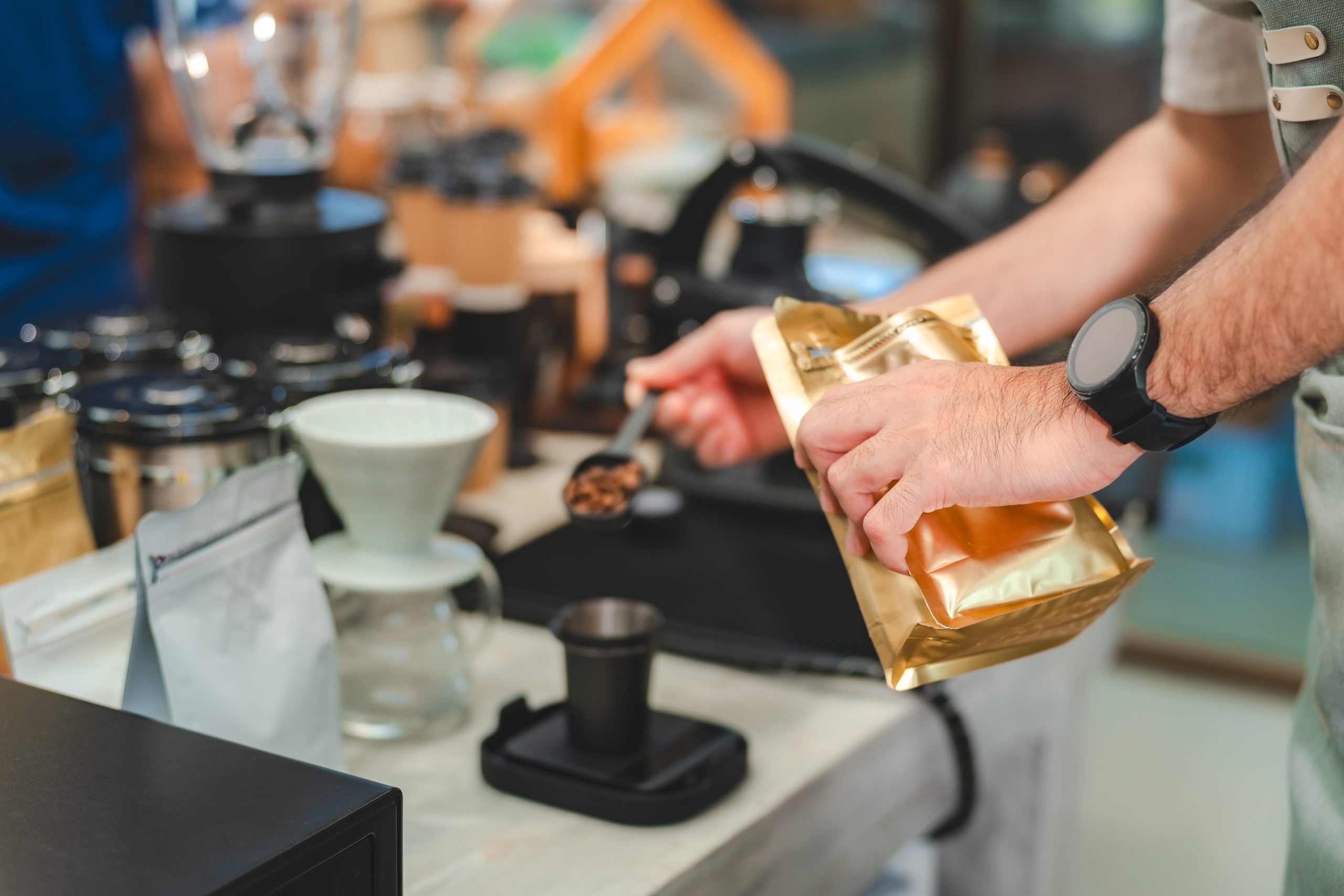
The baristas at local coffee shops also have the flexibility to craft your coffee just the way you like it. Whether it’s adjusting the grind size for the perfect pour-over or preparing an espresso with precision, local baristas are often coffee enthusiasts themselves, eager to share their knowledge and ensure every cup is brewed to perfection.
2. Unique Atmosphere and Character:
One of the standout qualities of local coffee shops is their personality. Whether it’s a cozy, rustic space or a modern, minimalist haven, local cafes have a unique vibe that often reflects the community they serve. You can expect quirky décor, comfortable seating, and a welcoming environment that invites you to linger longer.
Many local cafés also foster a sense of community by hosting events like open mic nights, live music, or poetry readings. This creates a more intimate, social experience that you won’t find at larger chains.
3. Support for Small Businesses and Sustainability:
When you choose a local coffee shop, you’re supporting small businesses and local economies. Many independent cafés are committed to sustainable practices, such as eco-friendly packaging, ethically sourced beans, and supporting fair trade practices. These cafés also tend to have a strong connection to the community, sourcing ingredients from local suppliers and contributing to the neighborhood’s culture.
4. Expertise and Craftsmanship:
Baristas at local coffee shops typically undergo extensive training to perfect their craft. These are not just order-takers; they’re experts in the art of brewing, whether it’s making intricate latte art or pulling a perfect espresso shot. The emphasis on craftsmanship means you’re likely to receive a much more personalized and thoughtful coffee experience.
The Cons of Local Coffee Shops:
1. Higher Price Point:
The artisanal nature of local coffee shops often comes with a higher price tag. Sourcing high-quality beans, using sustainable practices, and providing a unique experience all contribute to the higher cost of a cup of coffee. For many, this price is justified by the quality and the experience, but it may not be feasible for every coffee lover, especially those who prefer a quick, inexpensive caffeine fix.
2. Limited Availability:
Local coffee shops are often scattered throughout cities, but they can be fewer and farther between in certain areas, especially in rural or less urbanized regions. If you’re traveling or simply looking for a quick coffee on your way to work, finding a local café might be less convenient compared to a national chain that has multiple locations nearby.
3. Inconsistent Hours:
Many independent coffee shops are smaller operations, which means their hours of operation might not be as consistent as those of national chains. If you’re a regular customer, it might be frustrating when a local café is closed unexpectedly or doesn’t have the same hours every day.
National Coffee Chains: Consistency, Convenience, and Familiarity:
The Pros of National Coffee Chains:
1. Consistency and Familiarity:
One of the biggest draws of national coffee chains is the consistency they offer. Whether you’re grabbing your daily cup of coffee in New York, Los Angeles, or London, you can expect the same taste, presentation, and level of service. Chains like Starbucks, Dunkin’, and Tim Hortons have perfected their recipes over time, ensuring that your favorite drink will taste the same no matter where you are.
This reliability is particularly appealing to people who value the comfort of knowing exactly what they’re getting when they walk into a café. For those who drink coffee on a regular basis, the predictability of national chains can be reassuring and convenient.
2. Accessibility and Convenience:
National chains are ubiquitous, with thousands of locations in cities, towns, and even airports around the world. This means you can easily find a Starbucks or Dunkin’ no matter where you are, making them an incredibly convenient option for those on the go.
Additionally, many national chains have drive-thru options, making it even easier to grab your coffee quickly without having to leave your car. This level of convenience is unmatched by local coffee shops, which may not always offer drive-thru or have locations in easily accessible areas.
3. Affordability:
Compared to local coffee shops, national chains generally offer more affordable pricing. Whether you’re ordering a classic coffee or a fancy frappuccino, you can expect competitive prices, especially when compared to the premium price points often seen in specialty coffee shops. This makes national chains an attractive option for coffee drinkers who need a reliable and budget-friendly choice.
4. Loyalty Programs and Perks:
Many national coffee chains have loyalty programs that reward regular customers with free drinks, discounts, and other perks. For example, Starbucks has its Rewards program, where customers earn points (Stars) with each purchase that can be redeemed for free drinks or food. These programs create incentives for customers to stick with their favorite chain, providing added value for regular coffee drinkers.
The Cons of National Coffee Chains:
1. Standardized Coffee Experience:
While consistency is one of the strengths of national chains, it can also be a downside. For coffee enthusiasts who crave variety, creativity, and unique flavors, the mass-produced nature of commercial coffee can feel bland and uninspiring. The coffee served in national chains tends to be more uniform, with less emphasis on the complexity or character of the beans.
Additionally, the brewing process at commercial chains is often automated, which means there’s less room for the baristas to showcase their skills or personalize your drink. If you’re someone who values the artistry behind each cup, a chain might feel more like a transactional experience than a craft.
2. Lack of Personalization:
In national coffee chains, the service tends to be more transactional. While baristas are generally friendly and efficient, the focus is on speed and consistency, not personalization. The staff at these cafés are often trained to follow specific recipes and methods, rather than offering personalized recommendations based on your taste preferences or brewing methods.
In contrast, local coffee shops thrive on their ability to personalize your experience—whether it’s a tailored coffee blend or a barista who remembers your name and your favorite drink. National chains, while convenient, lack this level of individualized service.
3. Corporate Influence and Less Focus on Community:
National chains are often owned by large corporations, which means their focus is on maximizing profits and expanding their footprint. While they may support charitable initiatives or promote sustainability in some way, they generally don’t have the same community-focused vibe that local shops do. Many independent coffee shops prioritize local sourcing, community engagement, and supporting small businesses, which can make the experience feel more personal and meaningful.