From Qahwa to Cappuccino: The Evolution of Coffee Culture in Muslim Societies:

Coffee is more than just a beverage — it’s a story that spans centuries, continents, and cultures. For the Muslim world, coffee has always been more than a morning ritual; it’s a symbol of spirituality, community, and creativity.
Long before cappuccinos, espresso bars, or café chains became global icons, qahwa — the Arabic word for coffee — was a central part of Muslim life. From the Sufi gatherings of Yemen to the bustling Ottoman coffeehouses of Istanbul, coffee played a profound role in shaping faith, art, and society.
Let’s trace this remarkable journey — how the humble qahwa evolved from a sacred brew of devotion to a cultural bridge that still connects people across the world today.
1. The Spiritual Origins: Yemen’s Sufi Roots:
The story of coffee begins in the highlands of Yemen in the 15th century, where Sufi mystics discovered that a dark, energizing drink made from roasted beans helped them stay awake during long nights of dhikr (spiritual remembrance).
Known as qahwa, it was believed to enhance focus and deepen meditation, making it a spiritual companion rather than a simple drink. Coffee became an integral part of Sufi gatherings, symbolizing both devotion and discipline.
From Yemen, coffee spread to the holy cities of Mecca and Medina, where pilgrims and scholars carried it to other parts of the Muslim world. The first true global coffee trade was born — and with it, a legacy that would reshape culture forever.
2. The Rise of the Qahveh Khaneh: Coffeehouses of Cairo and Istanbul:
By the 16th century, coffee had reached Cairo, Damascus, and Istanbul, giving birth to the world’s first public coffeehouses — the qahveh khaneh.
These were not ordinary cafés; they were centers of conversation, learning, and art. Patrons would gather to discuss poetry, politics, and philosophy while listening to music or watching storytellers. Some called them “Schools of the Wise.”
In many ways, these early Muslim coffeehouses were the intellectual hubs of their time — places where ideas flowed as freely as the coffee.
Though some conservative scholars initially viewed coffeehouses with suspicion (seeing them as distractions from worship), they soon realized that these spaces fostered unity, education, and cross-cultural dialogue — all core Islamic values.
3. The Journey to Europe: Coffee Crosses Cultures:
As trade routes expanded, Muslim merchants introduced coffee to Europe through Venetian ports in the early 17th century. Europeans first referred to it as “the Arab drink,” and it quickly became fashionable in cities like Venice, Paris, and London.
Interestingly, many European coffee traditions — from roasting methods to brewing techniques — were directly inspired by Ottoman practices. Even the word “coffee” itself comes from qahwa, evolving through Turkish (kahve) and Italian (caffè) into English.
What began in Yemen as a spiritual stimulant soon became a symbol of intellectualism and modernity across Europe — yet its Muslim roots remained central to its evolution.
4. Coffee and the Ottoman Empire: A Symbol of Refinement:
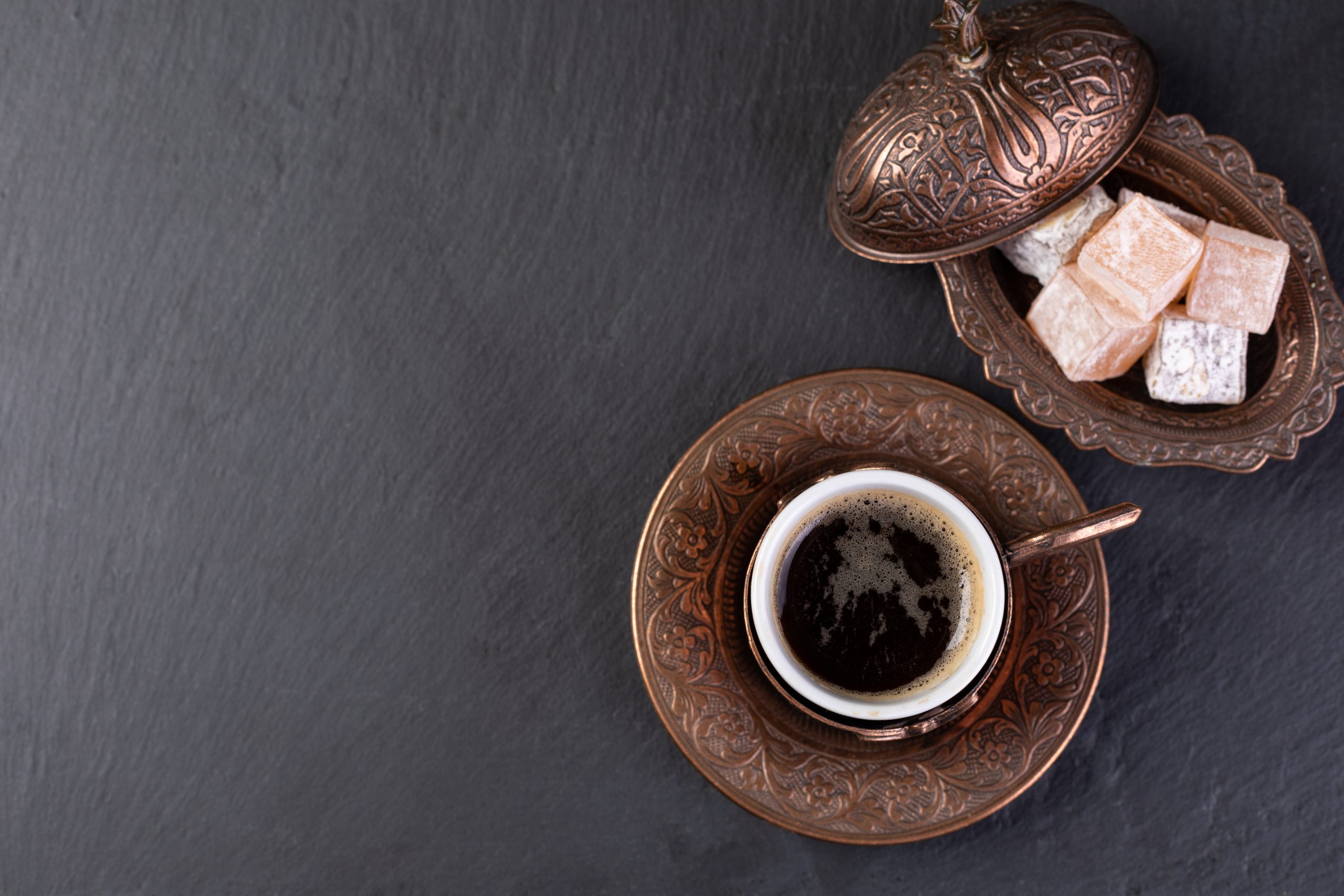
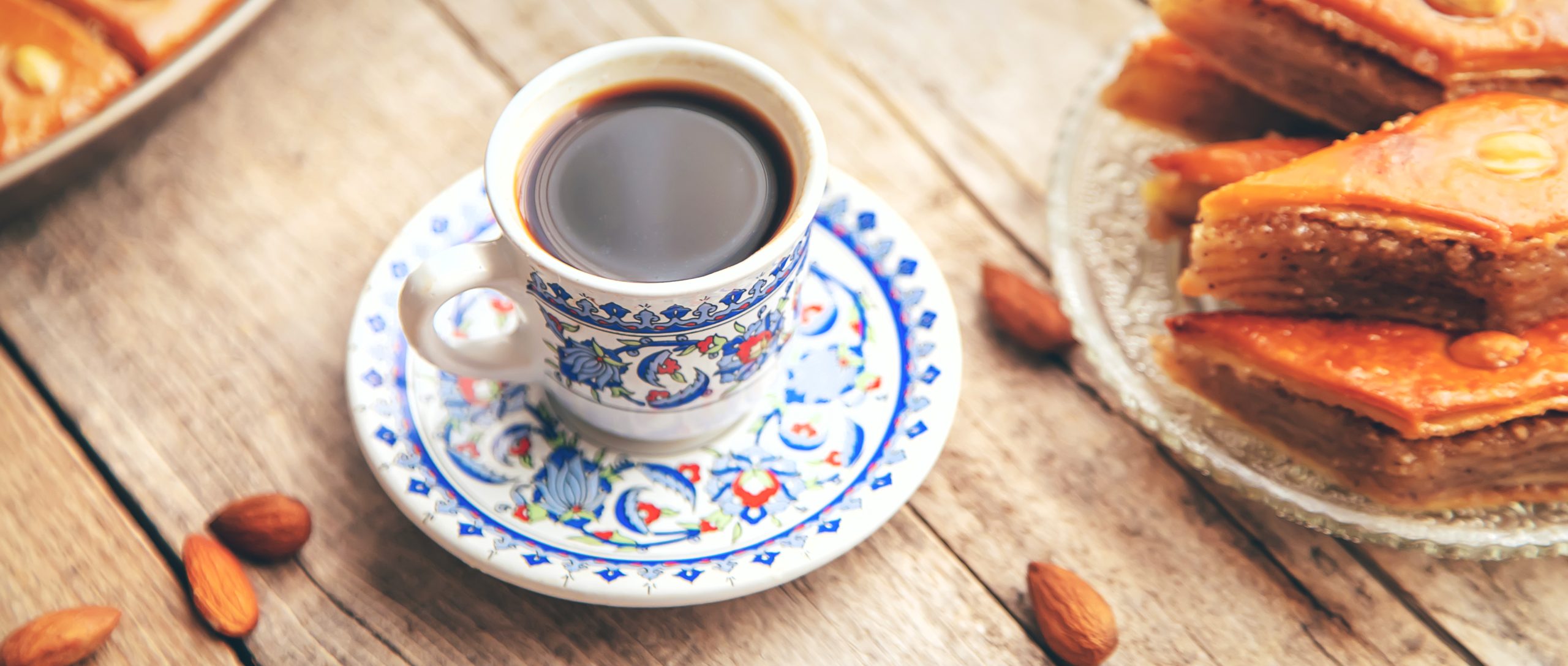
In the Ottoman Empire, coffee became both an art form and a status symbol. The Ottomans perfected coffee presentation — serving it in delicate cups, often with dates or sweets, a custom still practiced today in many Muslim cultures.
The art of Turkish coffee — thick, unfiltered, and slow-brewed — became famous worldwide. It wasn’t just about taste but ceremony: brewing coffee was considered an expression of hospitality (karam), respect, and generosity.
Within Ottoman homes, coffee preparation became a ritual of elegance. In fact, during marriage ceremonies, brides were judged by their ability to brew the perfect cup — a sign of care and refinement.
5. Coffee in the Arab World: Faith, Friendship, and Family:
Across the Arab world, coffee remains at the heart of hospitality. In Saudi Arabia, the dallah (traditional coffee pot) and small finjan cups are iconic symbols of welcome. Guests are served qahwa arabiyya — a lightly roasted coffee often flavored with cardamom, saffron, or cloves — always poured from the right hand as a sign of honor.
These traditions reflect Islam’s deep emphasis on generosity. The Prophet Muhammad ﷺ said:
“Whoever believes in Allah and the Last Day, let him honor his guest.” (Bukhari & Muslim)
Serving coffee is thus more than custom — it’s an act of adab (etiquette) and faith.
Even today, in cities like Riyadh, Amman, and Doha, sharing coffee remains a ritual of connection — blending the sacred with the social.
6. The Modern Muslim Café: Reclaiming Tradition:
Fast forward to the 21st century, and coffee culture has gone global — yet Muslim communities are reinterpreting it in beautiful ways.
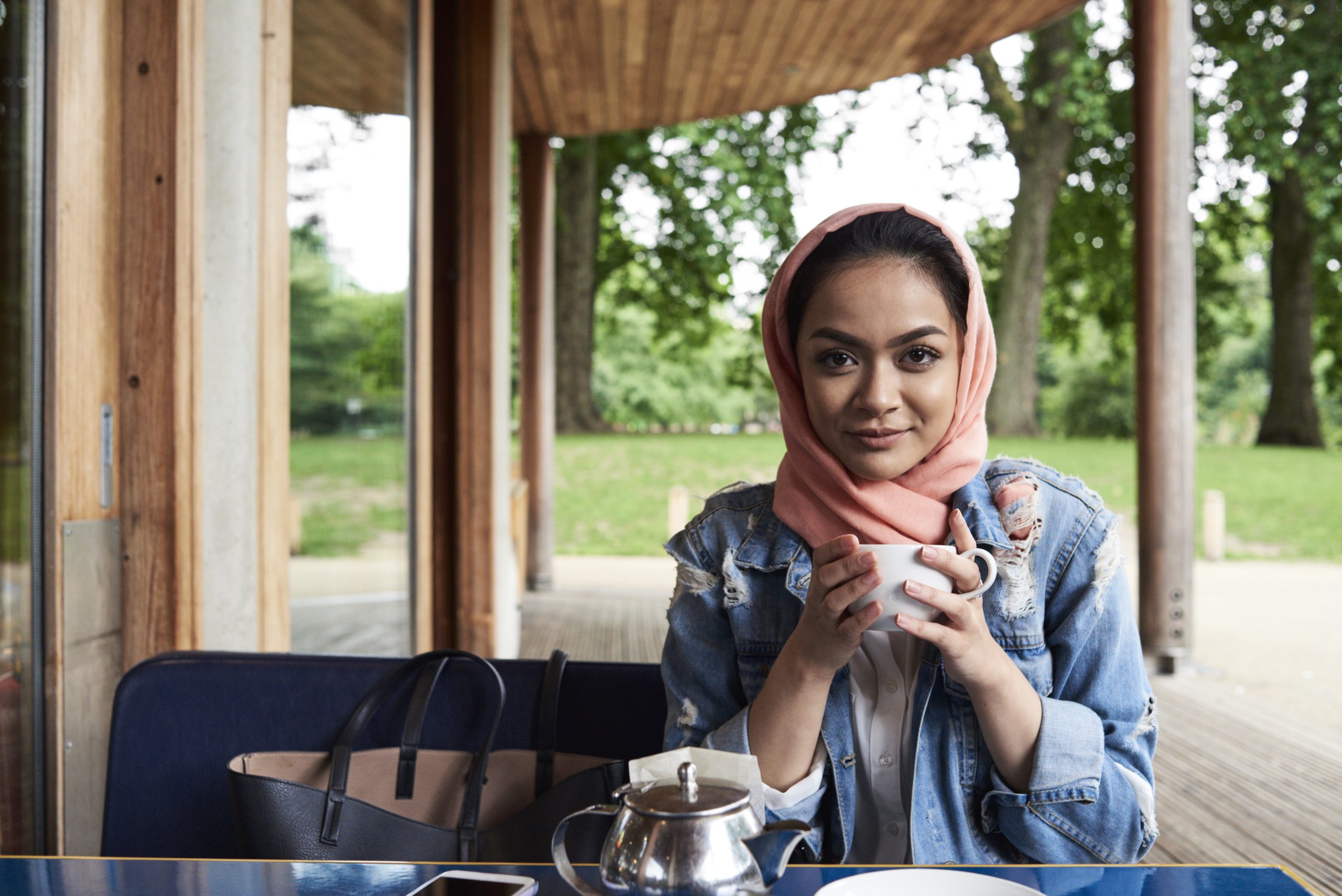
Across the world, Muslim-owned cafés are reviving the legacy of qahwa by creating spaces that blend modern aesthetics with spiritual and cultural values.
In London, Kuala Lumpur, Toronto, and Dubai, new cafés are emerging that celebrate:
Halal-friendly menus and ethical sourcing.
Community events like poetry nights, halaqas, and charity fundraisers.
Inclusive design, featuring Islamic art, calligraphy, and calming interiors.
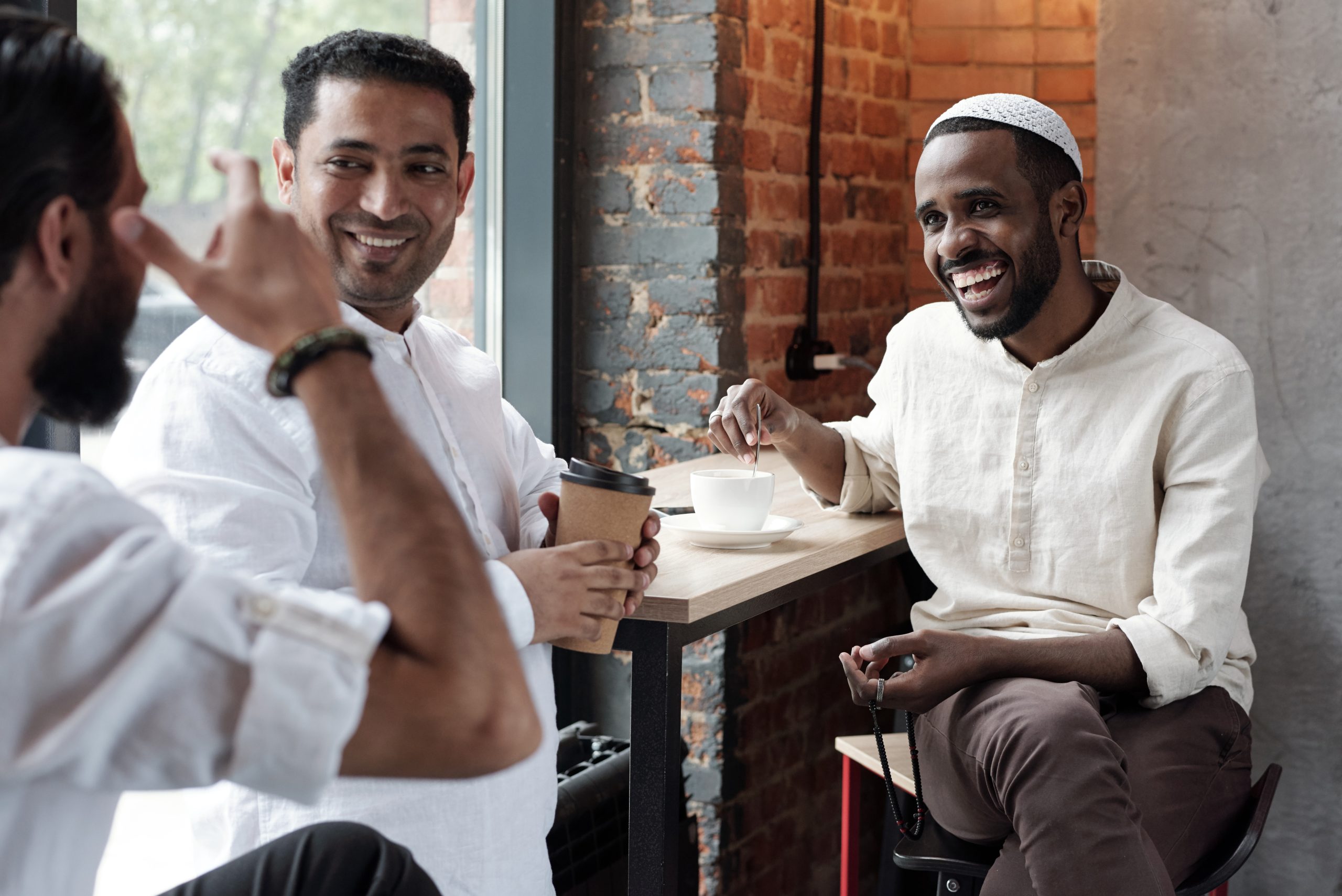
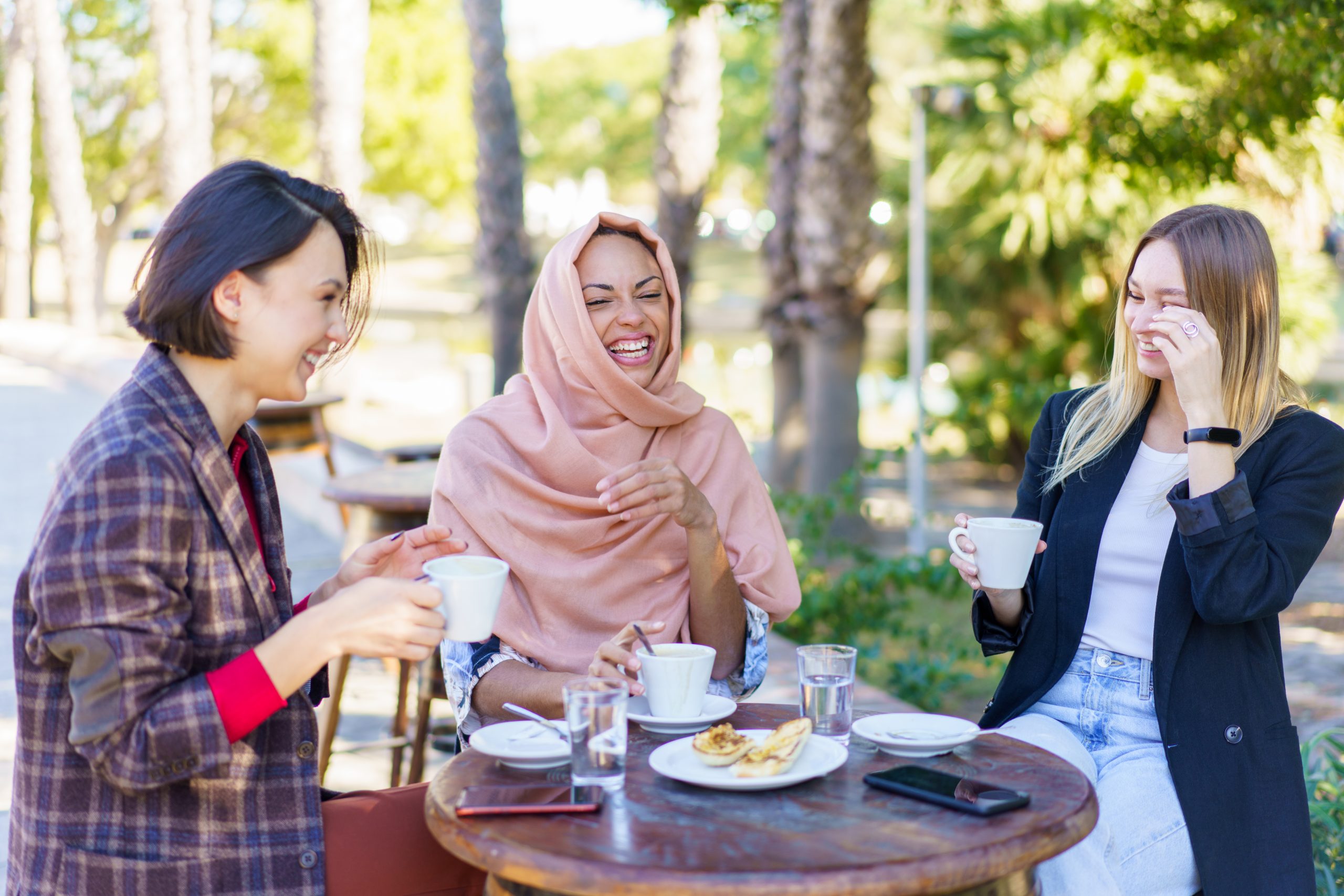
These cafés aren’t just serving coffee — they’re rebuilding the sense of ummah (community). They offer a place where Muslims and non-Muslims alike can connect, reflect, and belong.
Example: Qahwa House in Dearborn, Michigan, draws inspiration from Yemeni roots and Sufi spirituality, serving traditional drinks like Adeni chai alongside espresso — symbolizing the bridge between heritage and modern life.
7. Coffee During Ramadan and Beyond:
In Muslim societies, coffee takes on special meaning during Ramadan. After long fasting days, coffee becomes part of the iftar (breaking of fast) ritual — a soothing, familiar comfort after sunset.
Some cafés open late into the night during Ramadan, transforming into social hubs for friends and families gathering after taraweeh prayers.
Even after Ramadan, these spaces maintain a sense of spiritual warmth — where barakah (blessing) and community are brewed together.
8. From Qahwa to Cappuccino: A Cultural Evolution:
The evolution of coffee in Muslim societies mirrors the evolution of the societies themselves — adaptive, creative, and deeply rooted in meaning.
While cappuccinos, flat whites, and cold brews represent global coffee culture, Muslim cafés continue to add unique touches — whether it’s cardamom-infused espresso or date-sweetened lattes.
What connects qahwa and cappuccino is not just caffeine, but conversation. The spirit of gathering, dialogue, and reflection that once filled the qahveh khaneh of Cairo and Istanbul now thrives in modern cafés from Jakarta to Chicago.
9. Coffee as a Bridge Between Faith and Modernity:
Perhaps the most fascinating aspect of coffee’s evolution is how it bridges faith and modern life. In Muslim culture, coffee has always been more than consumption — it’s about connection: to God, to others, and to self.
Modern Muslim coffee culture proves that faith-based traditions can thrive in contemporary spaces — from artistic cafés that serve qahwa arabiyya beside cappuccinos to pop-up espresso bars that promote fair-trade ethics inspired by Islamic values of justice and honesty.
Final Pour: Tradition in Every Cup:
From the meditative cups of Yemen’s Sufi saints to the bustling baristas of Istanbul and beyond, coffee has carried the spirit of Islam — reflection, generosity, and togetherness — through centuries.
Today, as Muslim cafés revive this heritage, each cup tells a story: of ancestors who brewed with purpose, of communities built through sharing, and of a global culture rooted in something deeper than taste — intention.
The next time you sip your cappuccino or Arabic coffee, remember: you’re tasting history — a legacy that began in the heart of the Muslim world and continues to inspire humanity, one cup at a time.