Global Muslim Traveler’s Guide: How to Find and Verify Halal Coffee Shops Abroad:

Traveling is one of life’s greatest pleasures — new cities, new cultures, and, of course, new coffee. But for Muslim travelers, exploring global café culture comes with a unique challenge: finding Halal-friendly coffee shops that align with both taste and faith.
From Europe to East Asia, the global coffee scene is thriving, yet not every cozy café on the corner serves Halal-certified ingredients or maintains an alcohol-free environment. So, how can you enjoy your cappuccino abroad while staying true to Islamic dietary and ethical standards?
This comprehensive guide will help you navigate the world of Halal cafés — how to find them, verify their authenticity, and enjoy every sip with confidence, no matter where your travels take you.
1. Understanding What Makes a Coffee Shop “Halal”:
At its simplest, “Halal” means permissible under Islamic law — but in the context of cafés, it covers far more than just the coffee beans. A truly Halal coffee shop ensures:
All ingredients (including milk, syrups, and desserts) are Halal-certified or free from alcohol and animal derivatives.
The environment is alcohol-free and family-friendly.
The sourcing and business ethics align with Islamic principles of honesty, hygiene, and fairness.
“Halal coffee culture isn’t just about what’s in the cup,” explains Ahmad Yusuf, founder of Roastery of Ihsan in Dubai. “It’s about the values behind every brew — integrity, cleanliness, and community.”
As Muslim travel grows globally, understanding these principles ensures you don’t compromise your faith for convenience.
2. Research Before You Fly: Plan Your Coffee Stops:
The key to a smooth Halal travel experience is preparation. Before landing in a new country, spend a little time researching the local Halal scene.
Use Halal-Specific Apps:
Download trusted apps such as:
HalalTrip – Global listings of cafés, restaurants, and prayer spaces with verified Halal status.
Zabihah – The world’s largest Halal food directory with user-verified reviews.
Halal Navi – Excellent for Japan, Korea, and Southeast Asia.
Crave Halal – Ideal for Muslim travelers in the U.S. and Canada.
These apps let you filter by category, so you can specifically look for cafés and dessert shops rather than general restaurants.
Check Travel Forums and Groups:
Join online Muslim traveler communities such as:
Facebook groups (Halal Travel Addicts, Muslim Foodies Abroad).
Reddit’s r/HalalFood.
WhatsApp travel circles.
Members often share firsthand experiences, recommend hidden gems, and post photos of menus, saving you time and uncertainty.
Search on Google Maps Smartly:
Try search phrases like:
“Halal café near [city/area name]”.
“Muslim-owned coffee shop in [country]”.
“Alcohol-free café [destination]”.
Then check Google reviews for mentions of Halal status, certifications, or Muslim ownership.
3. What to Look for When You Arrive:
Once you’re on the ground, trust your instincts — and your checklist.
a) Check for Halal Certification:
Look for certification logos near the counter, entrance, or menus. Recognized bodies include:
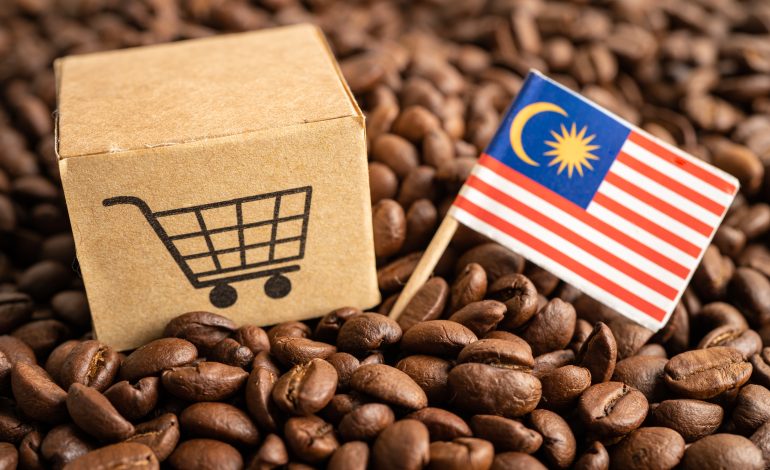
JAKIM (Malaysia).
HFA (UK).
IFANCA (USA).
ESMA (UAE).
Majelis Ulama Indonesia (MUI).
If no logo is displayed, politely ask,
“Is your café certified Halal or Muslim-owned?”
A confident and transparent answer is a good sign.
b) Review the Menu Carefully:
Many cafés serve food or desserts alongside coffee. Look for:
Alcohol-free syrups (some caramel or vanilla syrups contain alcohol).
Vegetarian or Halal-certified desserts.
Plant-based milks or certified dairy sources.
Tip: Ask which syrup brand is used. Brands like Monin and Torani have Halal-certified lines, but not all their products qualify.
c) Assess the Environment:
A Halal café typically avoids serving alcohol altogether. It may also offer a quiet, modest atmosphere — soft music, respectful decor, and prayer-friendly spaces.
If you see a liquor shelf behind the counter or alcoholic items on the menu, that’s your cue to try another spot.
4. The Role of Technology: Smart Tools for On-the-Go Verification:
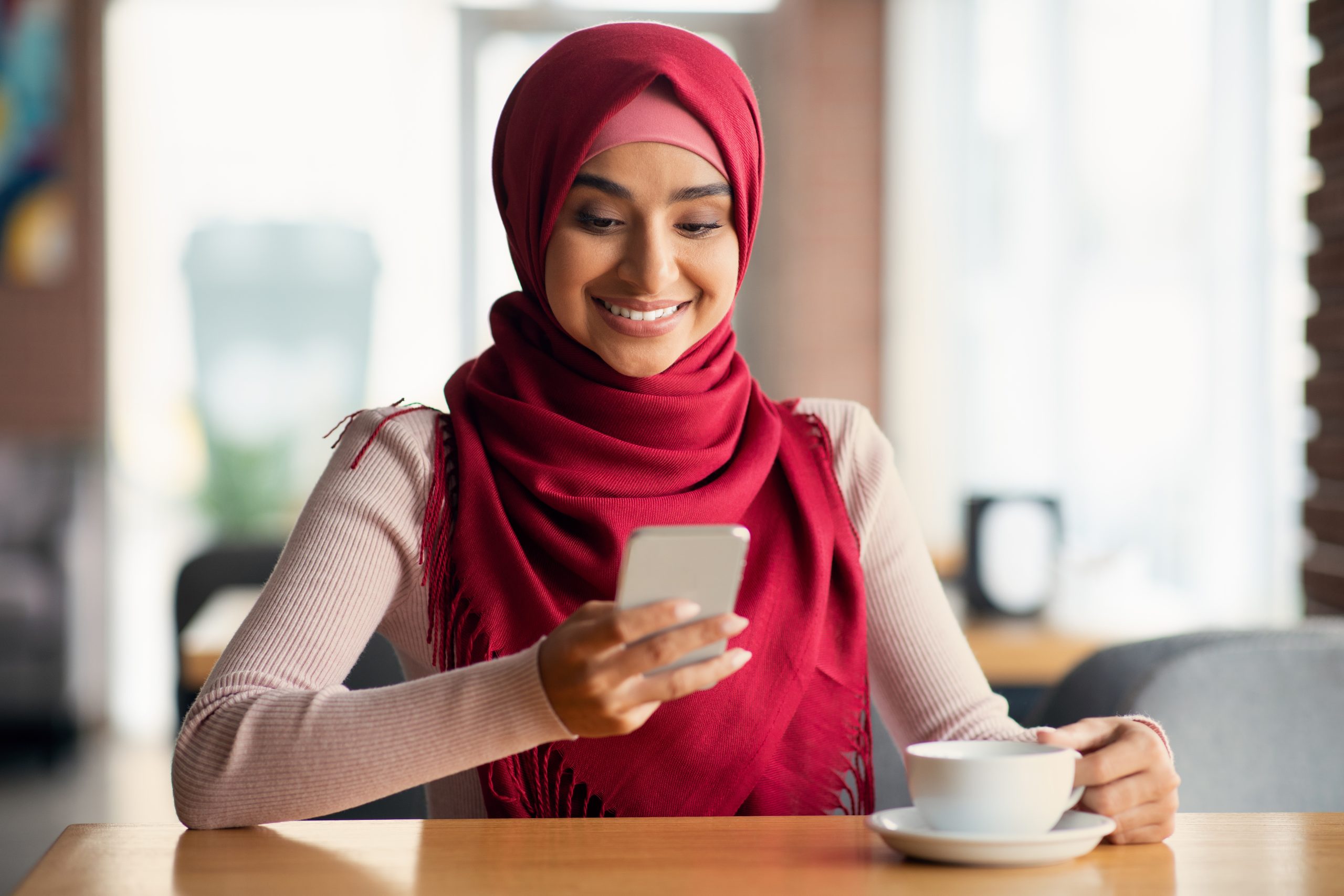
Even with preparation, you might stumble upon an unfamiliar café while exploring. Here’s how to quickly verify it using your smartphone:
Halal Discovery Apps:
Apps like Zabihah and HalalTrip allow instant searches by location. They use crowdsourced data and often display real-time updates, such as new user reviews or certification uploads.
Google Lens or Image Search:
If you spot a logo or label in a foreign language, take a photo using Google Lens to translate and identify whether it’s from a verified Halal authority.
Certification Database Checks:
Some countries have online directories where you can verify certification numbers — for instance, Malaysia’s JAKIM eHalal portal or Indonesia’s Halal.go.id.
Offline Tips:
In areas with limited connectivity, download offline maps or Halal app databases before your trip. Apps like Halal Navi allow saving café info for offline use — a lifesaver when you’re deep in a Kyoto alleyway or hiking through Cappadocia.
5. Regional Insights: What to Expect Around the World:
Halal coffee culture varies widely by region. Here’s a quick overview of what you’ll likely find:
Middle East (UAE, Saudi Arabia, Qatar):
Nearly all coffee shops are Halal by default. Cafés like Qahwa & Co. in Dubai and Brew Society in Riyadh serve world-class espresso without compromising Islamic principles. Alcohol is rarely found in local cafés.
Southeast Asia (Malaysia, Indonesia, Singapore):
These are Muslim-majority regions with robust Halal certification systems. You’ll find trendy coffee chains — like The Alley, Dome, and Brew & Barakah — proudly displaying JAKIM or MUI Halal logos.
Europe (UK, France, Germany):
Muslim-owned cafés are thriving in urban centers. However, many mainstream cafés serve alcohol or non-Halal desserts. Use Zabihah or Google Maps to find Muslim-run spots like The Faithful Bean in London or Café Medina in Paris.
North America (USA, Canada):
Halal coffee culture is growing fast. Brands like Grounded in Deen (Chicago) and Halal Café & Bakery (Toronto) are redefining ethical coffee experiences. Use Crave Halal or Yelp filters to locate them.
East Asia (Japan, Korea, China):
Halal cafés are emerging near mosques or tourist districts. Apps like Halal Navi are essential here. Many cafés offer vegetarian or seafood-only menus but not full Halal certification, so always verify before ordering.
6. Red Flags: How to Spot Non-Halal or Doubtful Cafés:
Sometimes, a café may appear Muslim-friendly but still fail Halal criteria. Be cautious if you notice:
Alcohol bottles displayed behind the counter.
“Rum” or “liqueur” flavors listed in desserts.
Ambiguous claims like “Halal-style” or “Muslim-friendly” without certification.
Staff unable to confirm ingredient details.
When in doubt, skip it. Islam encourages avoiding uncertainty (shubhah) when it comes to food.
7. Supporting Muslim-Owned and Ethical Cafés:
One of the best ways to encourage global Halal café growth is to support Muslim entrepreneurs abroad. Many small, family-run businesses depend on travelers for visibility.
Leave positive reviews on apps and Google, share photos on social media with hashtags like #HalalCafé or #MuslimTravel, and recommend them to others.
Your digital footprint can help these cafés grow — and make it easier for future Muslim travelers to find trustworthy spots.
8. A Quick Halal Coffee Traveler’s Checklist
| Category | What to Check | Travel Tip |
|---|---|---|
| Ingredients | Ask about syrups, creamers, and desserts | Avoid alcohol-based flavorings |
| Certification | Look for JAKIM, IFANCA, MUI, or HFA logos | Take a photo for record-keeping |
| Atmosphere | Alcohol-free, modest environment | Observe shelves and menu items |
| Technology | Use HalalTrip, Zabihah, or Google Lens | Save offline access for remote areas |
| Community | Read Muslim traveler reviews | Share your own experiences to help others |
9. Faith, Flavor, and Confidence: The Muslim Traveler’s Advantage:
Finding Halal coffee abroad isn’t about restriction — it’s about intentional living. Every verified café you discover is a testament to a growing global community that values both excellence and ethics.
“Every cup of coffee becomes an act of mindfulness,” says Aisha Rahman of Brew & Barakah. “When you choose Halal, you’re not just following rules — you’re supporting fairness, sustainability, and spirituality.”
As technology bridges gaps and Muslim-friendly cafés rise across continents, you no longer need to compromise between exploration and faith.
Conclusion: Sip Faithfully, Explore Freely:
The world is full of beautiful coffee experiences waiting to be discovered — and with the right tools, you can enjoy them all while staying true to your values.
From Kuala Lumpur’s Halal latte art cafés to Toronto’s faith-inspired coffee houses, every destination now offers opportunities to connect faith, culture, and caffeine.
With apps, maps, and a mindful heart, you can travel confidently — knowing every sip you take is Halal, ethical, and spiritually fulfilling.
Because for the modern Muslim traveler, coffee isn’t just a drink. It’s a journey of faith and flavor — one café at a time.