Halal and Happy Hour: Why Alcohol-Free Cafés Are Gaining Popularity?
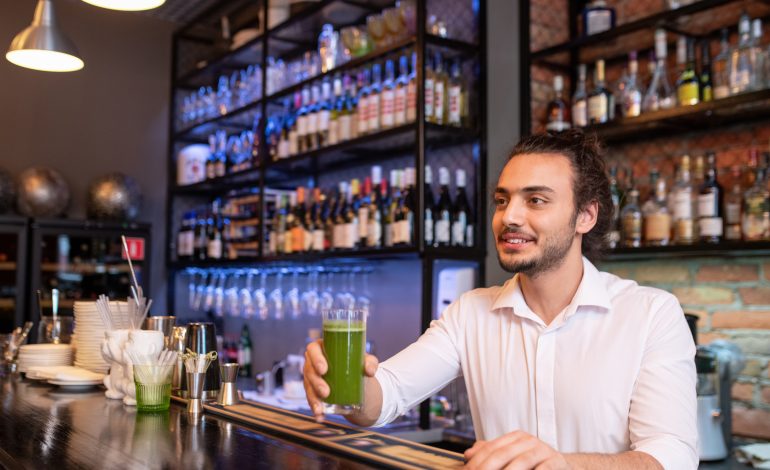

In recent years, a quiet revolution has been brewing—pun intended—in the global café scene. Across major cities from London to Kuala Lumpur, a growing number of alcohol-free cafés and bars are redefining social spaces by offering a welcoming, inclusive, and Halal-friendly environment. These venues are not just a response to religious or health-conscious lifestyles—they are shaping a new kind of social culture: one that values mindfulness, connection, and community over cocktails.
So what’s behind this surge in popularity? Why are alcohol-free cafés, especially Halal-certified ones, drawing such diverse crowds? Let’s explore this rising trend and the cultural shift that’s making ‘sober socializing’ the next big thing.
The Rise of the Sober Social Scene:
In a world where wellness trends dominate social media feeds and mindfulness is becoming mainstream, more people are questioning the role of alcohol in their lives. Young adults, particularly Gen Z, are leading the way in reducing or eliminating alcohol from their routines. According to a study by Berenberg Research, Gen Z drinks 20% less alcohol per capita than Millennials did at the same age.
This shift has paved the way for a growing interest in “sober curious” lifestyles—a term that encourages people to explore life without alcohol without necessarily committing to total abstinence. For many, the idea of a night out without the hangover is not only appealing, it’s empowering.
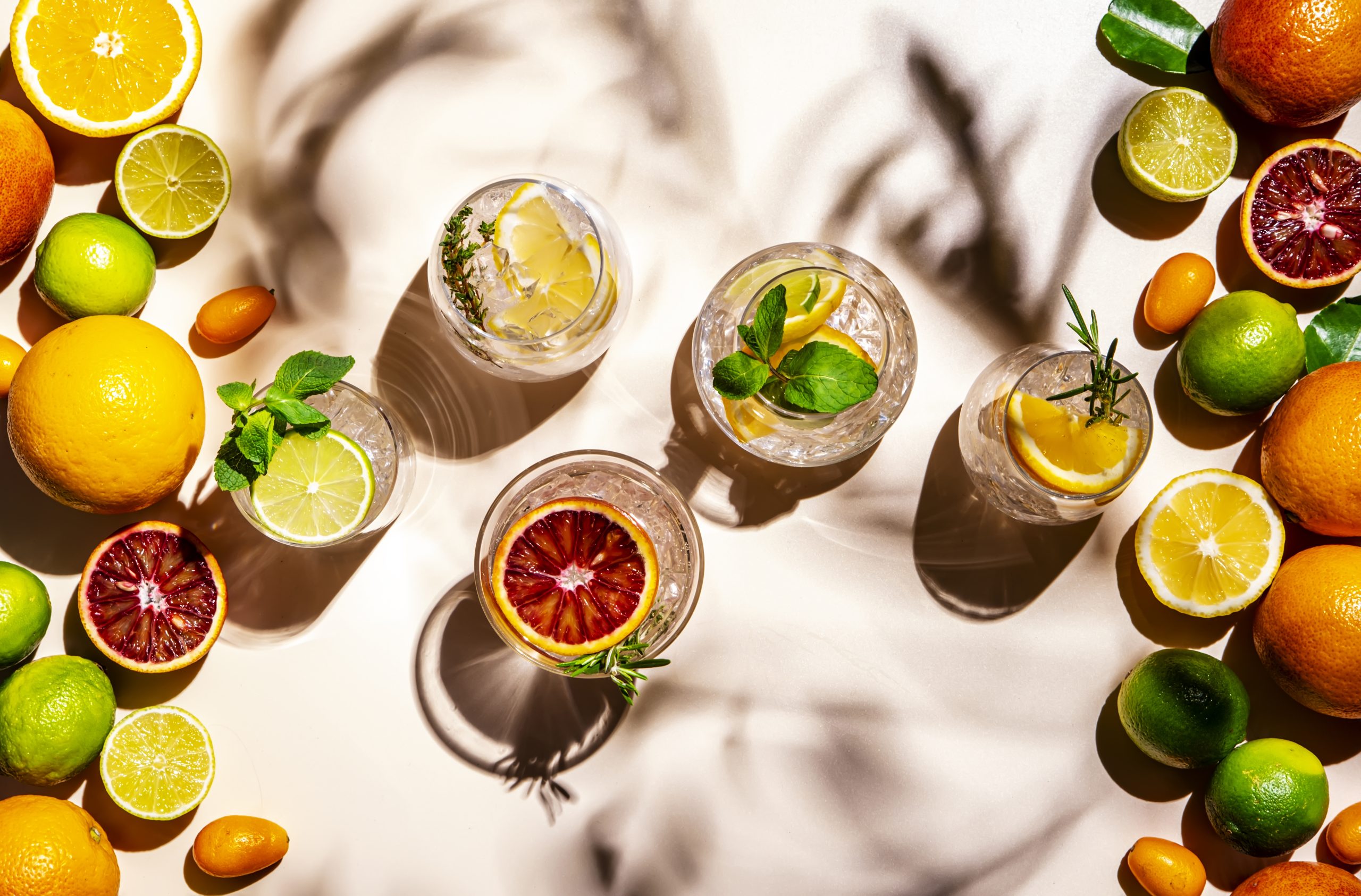
Enter alcohol-free cafés and sober bars: stylish, thoughtfully designed spaces offering everything from mocktails and specialty coffee to live music, poetry nights, and games—all without a drop of booze.
The Halal Factor: Meeting the Needs of Muslim Communities:
For Muslims who adhere to Islamic dietary laws, avoiding alcohol is not just a lifestyle choice—it’s a religious obligation. However, for decades, the social scene in many parts of the world has revolved around alcohol-centric venues like bars, nightclubs, and pubs. This has often excluded observant Muslims from full participation in nightlife and social outings.
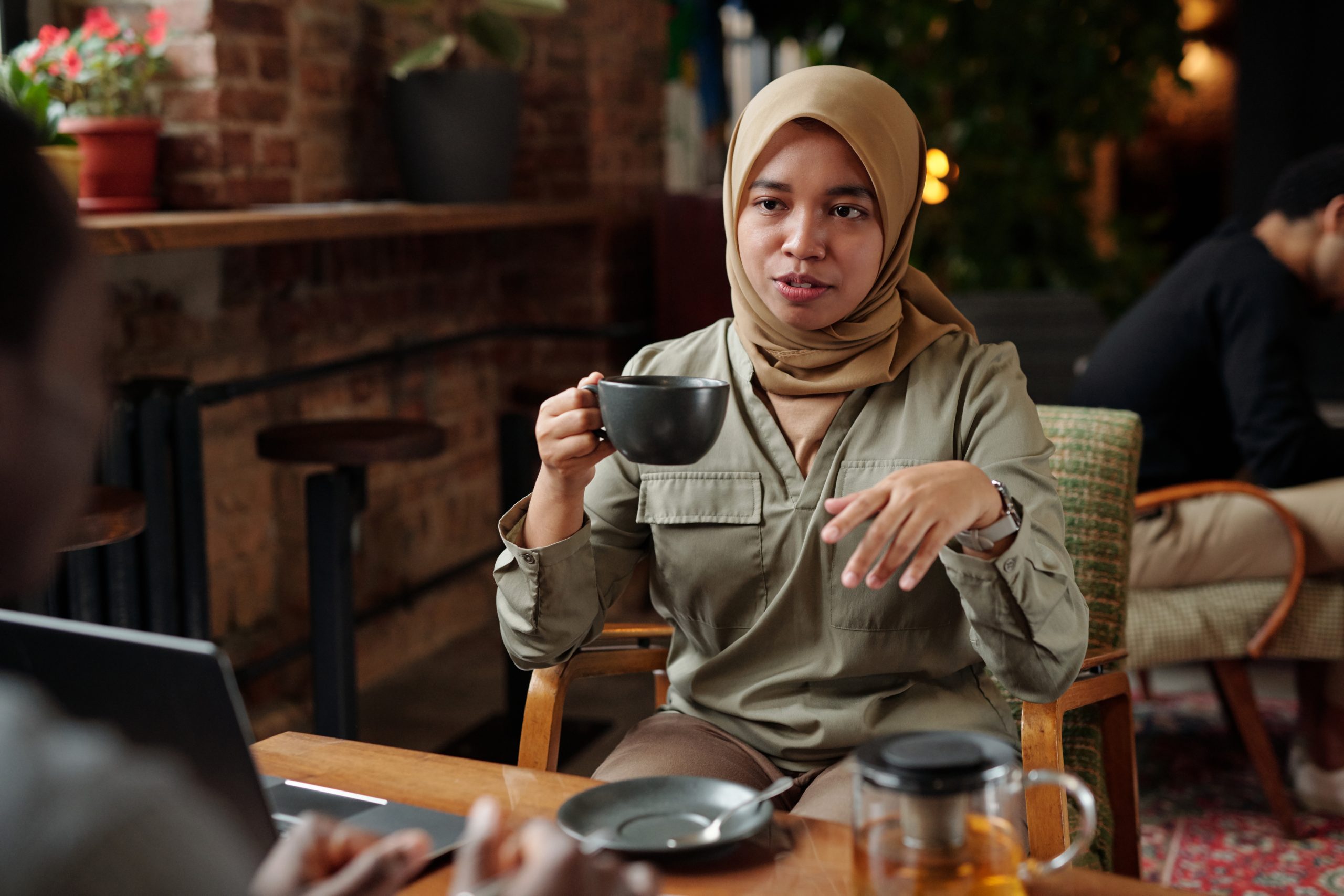
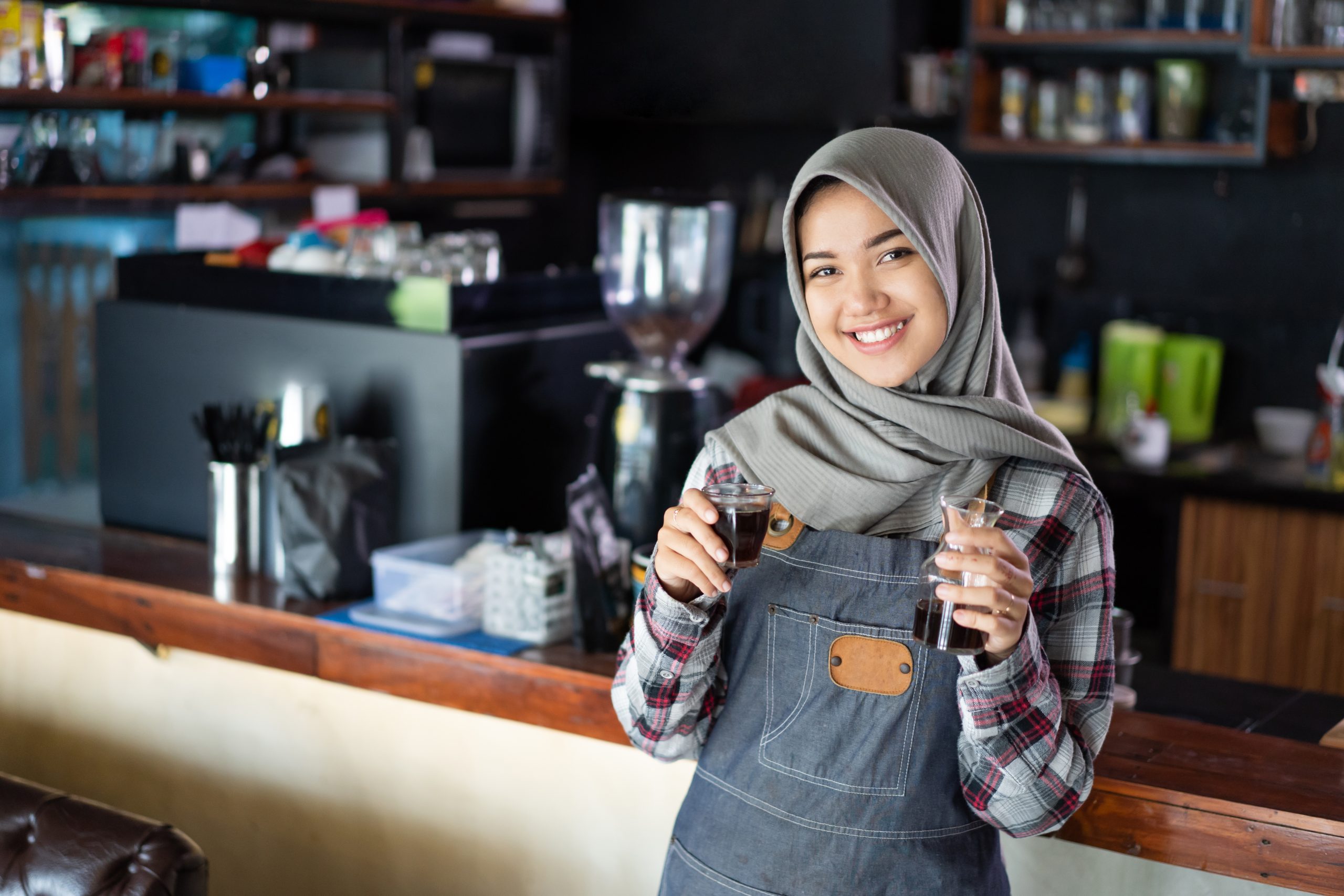
Halal-certified cafés bridge this gap by creating spaces where Muslims can gather without compromising their beliefs. But what’s unique is that these spaces aren’t just appealing to Muslims—they’re drawing in people from all backgrounds who are looking for clean, calm, and inclusive social experiences.
Some cafés even take it a step further by offering gender-segregated seating, prayer spaces, or Halal food options, making them safe and culturally respectful environments for a wider range of customers.
Community, Not Consumption:
The appeal of alcohol-free cafés goes beyond health and religion—they foster community over consumption. These venues are not about encouraging people to drink more (or spend more), but about giving them a place to connect, create, and converse.
In many cities, alcohol-free cafés host open mic nights, study groups, networking events, book clubs, or art workshops. The absence of alcohol shifts the focus from partying to purpose-driven interaction. Patrons often report that they enjoy more meaningful conversations and leave feeling energized, rather than drained.
For people in recovery from addiction, sober cafés offer a much-needed alternative to typical nightlife. For parents, students, and professionals, they provide a space to unwind without compromising productivity or peace of mind.
Breaking the Stigma Around “Dry” Spaces:
Historically, “dry” venues have been unfairly labeled as boring or overly conservative. But modern alcohol-free cafés are changing that perception. With sleek interiors, artisanal menus, and curated events, these cafés are proving that you don’t need alcohol to have a great time.
Take for example venues like The Greenhouse in London, or Hijrah Café in Kuala Lumpur—these spots combine great food, stylish décor, and a lively community without relying on alcohol to fuel the fun. Many of these cafés are also run by young entrepreneurs who are redefining what it means to be socially conscious and culturally relevant.
By normalizing alcohol-free environments, these venues help destigmatize sobriety—not just for Muslims, but for anyone who chooses not to drink, for any reason.
Catering to a Global, Diverse Audience:
The beauty of alcohol-free cafés is their universal appeal. They attract a wide range of people: practicing Muslims, health-conscious individuals, designated drivers, pregnant women, people in recovery, students, and simply those who prefer not to drink.
Moreover, in an increasingly globalized world, the demand for culturally sensitive and inclusive social venues is on the rise. Tourists from Muslim-majority countries often seek Halal-certified, alcohol-free spots when traveling. Cities that offer such spaces not only boost local business but also become more attractive to international visitors.
The Role of Social Media and Aesthetic Culture:
A major driver behind the success of alcohol-free cafés is their Instagram-friendly aesthetic. From lush plant walls and minimalist interiors to latte art and mocktail flights, these cafés are tailor-made for the digital age.
This focus on aesthetics doesn’t just make them popular online—it also shifts the cultural association from “alcohol equals fun” to “aesthetic equals enjoyable.” Customers feel proud to share their experiences, which in turn fuels word-of-mouth marketing and community growth.
Challenges Faced by Alcohol-Free Cafés:
Despite their growing popularity, alcohol-free cafés face several challenges. The biggest among them is profitability. Traditional bars make significant revenue from alcohol sales, which tend to have high profit margins. Without alcohol, cafés must get creative—offering premium coffee, teas, non-alcoholic beverages, and food options that can still turn a profit.
Another challenge is public perception. In some places, especially where alcohol is deeply ingrained in the social fabric, sober cafés may struggle to attract mainstream crowds. Changing long-standing cultural norms takes time, and requires strong community engagement and marketing.
However, the tide seems to be turning. As more people prioritize wellness, inclusivity, and mental clarity, the demand for alcohol-free social options will likely continue to rise.
The Future: Mainstream or Niche?
So, are alcohol-free cafés just a passing trend, or are they here to stay?
If current indicators are anything to go by, these venues are not only sustainable—they’re set to thrive. As global conversations around mental health, wellness, and cultural inclusivity deepen, the need for diverse social spaces becomes even more pressing.
Mainstream beverage companies are also taking note. Brands like Seedlip and Lyre’s are creating sophisticated non-alcoholic spirits, while Coca-Cola and PepsiCo are investing in alcohol-free adult beverages. This shift in the market suggests that the future of drinking may not include alcohol at all.
Conclusion:
The rise of alcohol-free, Halal-friendly cafés represents more than just a trend—it’s a cultural shift toward mindful socializing, inclusive spaces, and conscious consumption. These cafés prove that people can gather, laugh, relax, and connect without needing to rely on alcohol as a social crutch.
For Muslims and non-Muslims alike, these spaces offer a refreshing alternative: one that welcomes everyone to the table—literally and figuratively. As society continues to evolve, one thing is clear: the happiest hour doesn’t always have to come with a cocktail.