




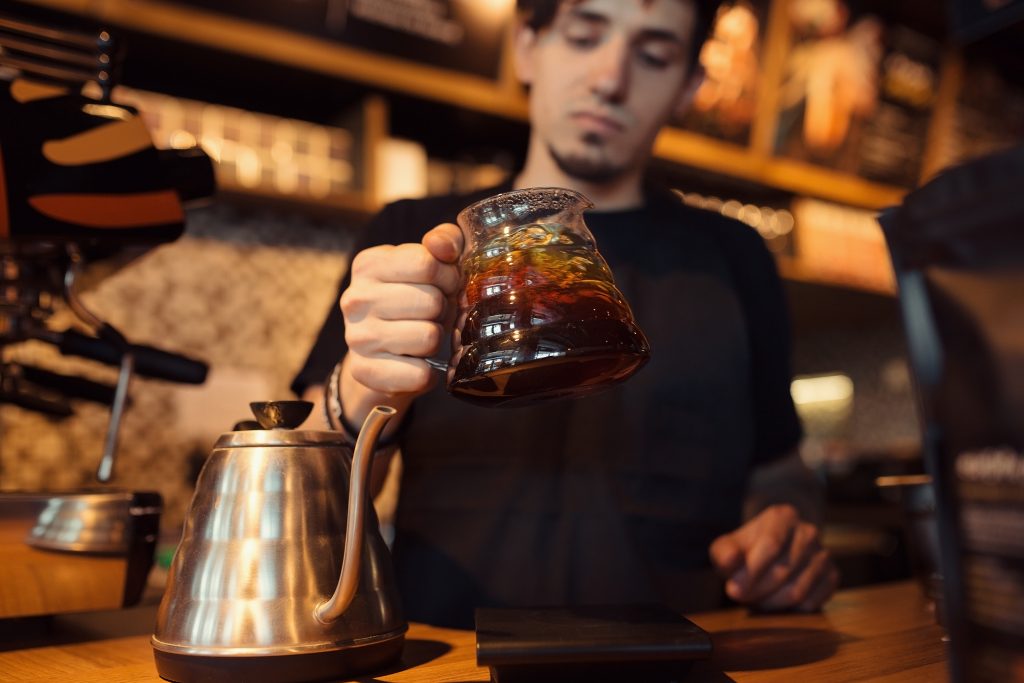
Chicago’s coffee scene is diverse, and for those who live a Halal lifestyle or prefer Halal‑friendly places, there are several cafés and coffee shops that serve great beverages and observe Halal or “no alcohol / no pork / Halal meat / Halal desserts” in parts or fully. Below are some cafés to consider—plus tips on what to look for, how to check, and how to enjoy the Halal vibes.
What Makes a Coffee Shop “Halal‑Friendly”:
Before we go into the list, “Halal‑friendly” can mean different things:
-
Fully Halal menu (meat, desserts, everything).
-
No alcohol, alcohol‑free environment.
-
Ownership or kitchen practices that avoid cross‑contamination with non‑Halal products.
-
Dessert items that are Halal certified or clearly made without non‑Halal ingredients (such as certain gelatins, alcohol‑based vanilla/rum flavorings, etc.).
When in doubt, asking is always okay. Many places are happy to accommodate. Also, cafés owned by Muslim, Yemeni, Palestinian, or Middle Eastern communities often are more transparent about their practices.
Emerging / Community‑Driven Spots to Know:
Beyond the “full café” options, there are several coffee‑oriented or coffee + dessert spots that are especially loved by Muslim / Halal communities or operate with Halal or mostly Halal menus:
-
Yemeni‑style coffeehouses in the Chicago area: Places like Qahwah House, Haraz Coffee House, etc., are growing in popularity. These are often no‑alcohol, heavily culture‑infused spaces where you can get Yemeni coffee, chai, pastries, and late‑night hangouts. Chicago Newsroom Multisite Network+2The Guardian+2
-
MotoW Coffee & Pastries (MOTW): A chain / brand that grew from “Muslims of the World,” offering drinks inspired by community tastes. For those wanting dessert + coffee in a Muslim‑friendly environment, these are good places to check. They are also expanding into the Chicago suburbs. Axios
Things to Look Out For & Questions to Ask:
When you’re exploring and want to be sure a café is safe under your Halal preferences, here are some helpful tips:
-
Menu transparency – Check if items are marked “Halal,” or if staff can confirm. Sometimes dessert ingredients are the trickiest (gelatin, alcohol extracts, etc.).
-
No alcohol served / alcohol‑free environment – Some places don’t serve alcohol, but others might have a full bar. If this is important, check ahead.
-
Dessert sourcing – Are the desserts in‑house or from some bakery? If from bakery, ask if that bakery uses non‑Halal ingredients.
-
Cross‑contamination risks – If a café also serves meat or other non‐Halal items, check how they handle separation, especiallyfor utensils, cooking surfaces, etc.
-
Cultural décor / ownership – Spots owned by Muslim or Middle Eastern owners often are more likely to have strong Halal practices (but it’s not guaranteed). It’s a helpful signal, not a rule.
Sample Coffee + Halal Bite Pairings:
Here are some pairing ideas you can try at these cafés (or replicate at home) to bring together delicious coffees and Halal desserts / bites:
-
At Gold Coast Cafe: Pair a strong espresso or cappuccino with a Middle Eastern dessert (like knafeh or a baklava‑style pastry) from their pastry selection.
-
At TARY: Try their organic coffee or chai with a dessert item and one of their Kazakh dishes for a savory‑sweet contrast.
-
At iCafe Chicago: After having Turkish coffee, enjoy Kazandibi (Turkish milk pudding) or another Turkish dessert.
-
At Nabala Café: Grab mint shai / karak chai / Arabic coffee with fresh sweet pastries. Great for evening visits.
-
At Yemeni coffee shops: A Yemeni mufawar or Arabian husk‑tea and fresh pastries like dates, small cakes, or Arabic cookies.
Experience Beyond the Drink:
One thing many Halal‑friendly cafés offer is that “third space” feel: no rush, community gathering, places to study or meet up with friends late into the evening, especially during Ramadan or outside typical café hours. Yemeni coffeehouses in particular are becoming popular spots for that atmosphere in Chicago and suburbs. Chicago Newsroom Multisite Network+1
Final Thoughts:
If you’re in Chicago and seeking delicious coffee plus Halal integrity, these cafés are great starting points. They offer not just good brews, but spaces that respect your values, support your lifestyle, and give you room to enjoy dessert, conversation, work, or relaxation—without compromise.
If you like, I can build a map with pins or a downloadable PDF list of Halal‑friendly coffee shops by neighborhood (e.g. Uptown, Near North Side, South Side). Want me to pull that together?