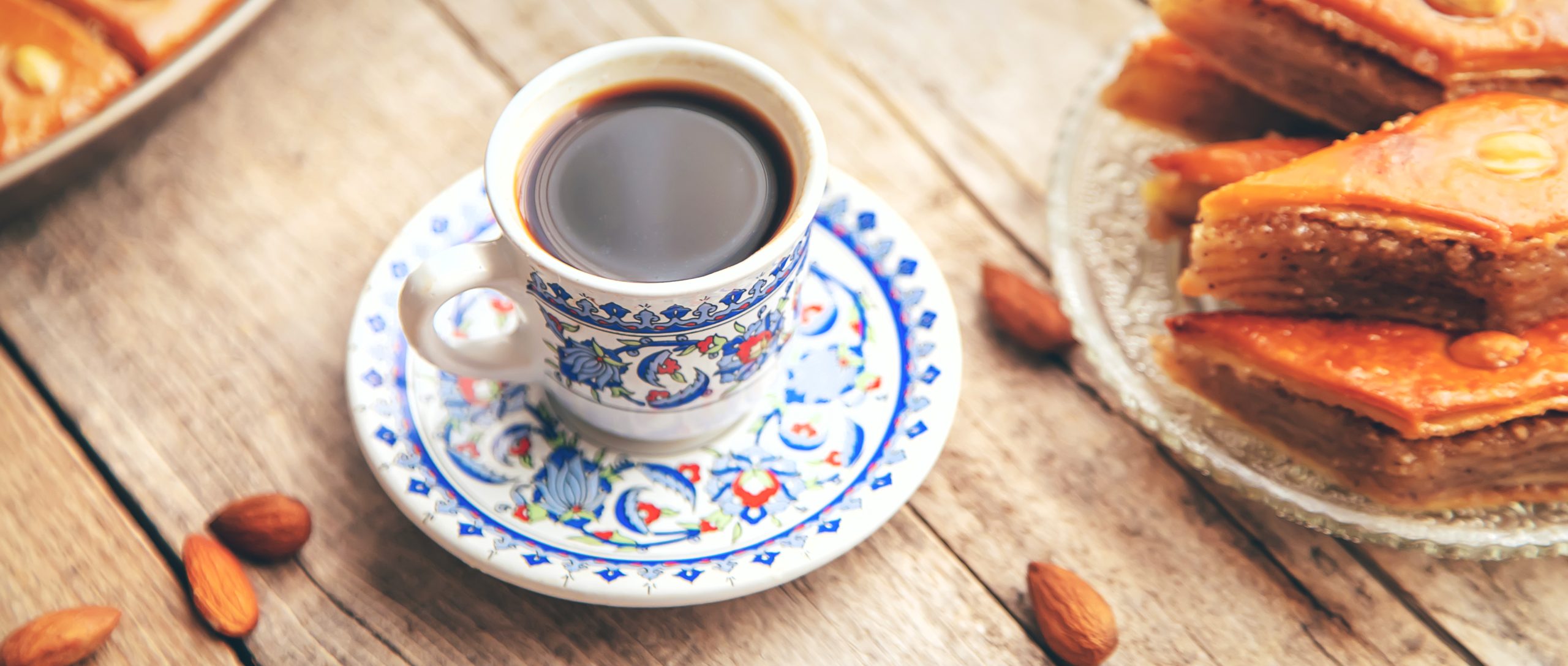
Halal Café Culture: Discovering the Rise of Coffee Shops Near Mosques in Urban Cities:
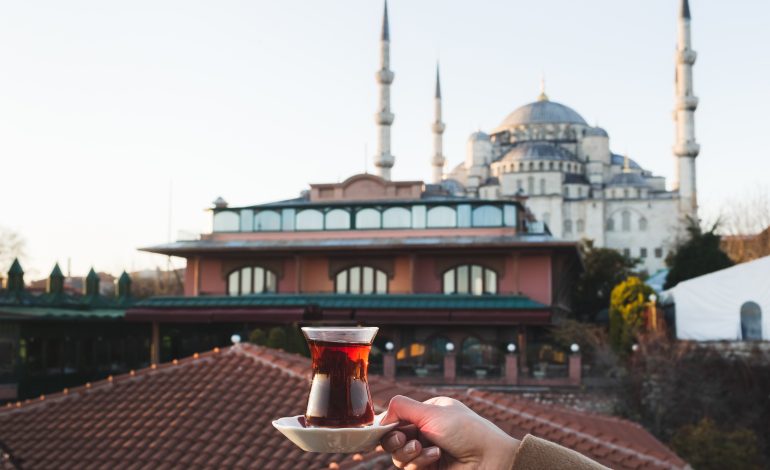

In the heart of bustling cities across the world, a quiet transformation is taking place. Amid skyscrapers, subway stations, and shopping districts, halal-friendly coffee shops near mosques are redefining how modern Muslims connect faith, flavor, and community.
What was once the domain of traditional tea houses and home gatherings is now evolving into a global movement — a new halal café culture that blends spirituality with social life, reflection with recreation.
From London to Kuala Lumpur, Istanbul to Toronto, Muslim entrepreneurs and café-goers are reshaping urban landscapes — creating spaces that feel both modern and mindful, social yet sacred.
Let’s explore how this rise of coffee shops near mosques is brewing something much deeper than coffee — a revival of connection, identity, and belonging.
1. From Sufi Circles to City Streets: The Origins of Coffee in Islam:
Coffee’s story begins not in Europe but in the Muslim world — specifically, 15th-century Yemen. Sufi mystics discovered that roasted coffee beans brewed in water helped them stay awake during night-long sessions of dhikr (spiritual remembrance).
They called it qahwa — a word that means “that which removes drowsiness.” What began as a spiritual aid soon became a social symbol, spreading across Mecca, Cairo, Damascus, and Istanbul.
By the 16th century, coffeehouses (qahveh khaneh) emerged near mosques, serving as places for rest, reflection, and discussion. People gathered there after prayer to share stories, study religion, and exchange ideas.
Fast-forward to today, and history is repeating itself — this time in a modern, urban context.
The world’s Muslim cities are witnessing a revival of coffee’s original purpose: connection, contemplation, and community — now in beautifully designed, halal-certified cafés next to mosques.
2. The Modern Movement: Halal Coffeehouses Near Mosques:
In major cities like London, Dubai, Kuala Lumpur, and Toronto, the rise of halal cafés near mosques is no coincidence — it’s a reflection of how Muslims are integrating faith into everyday life.
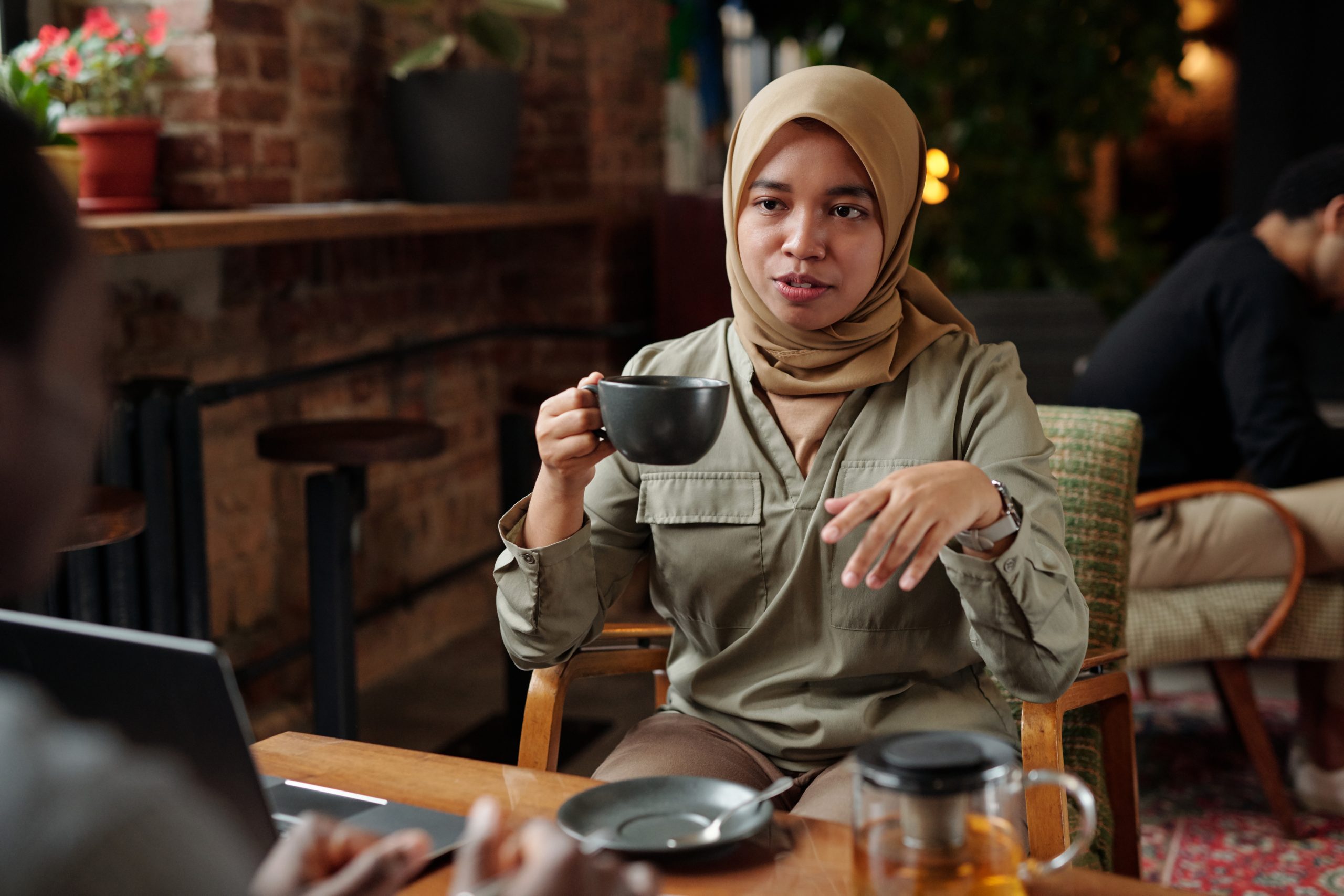
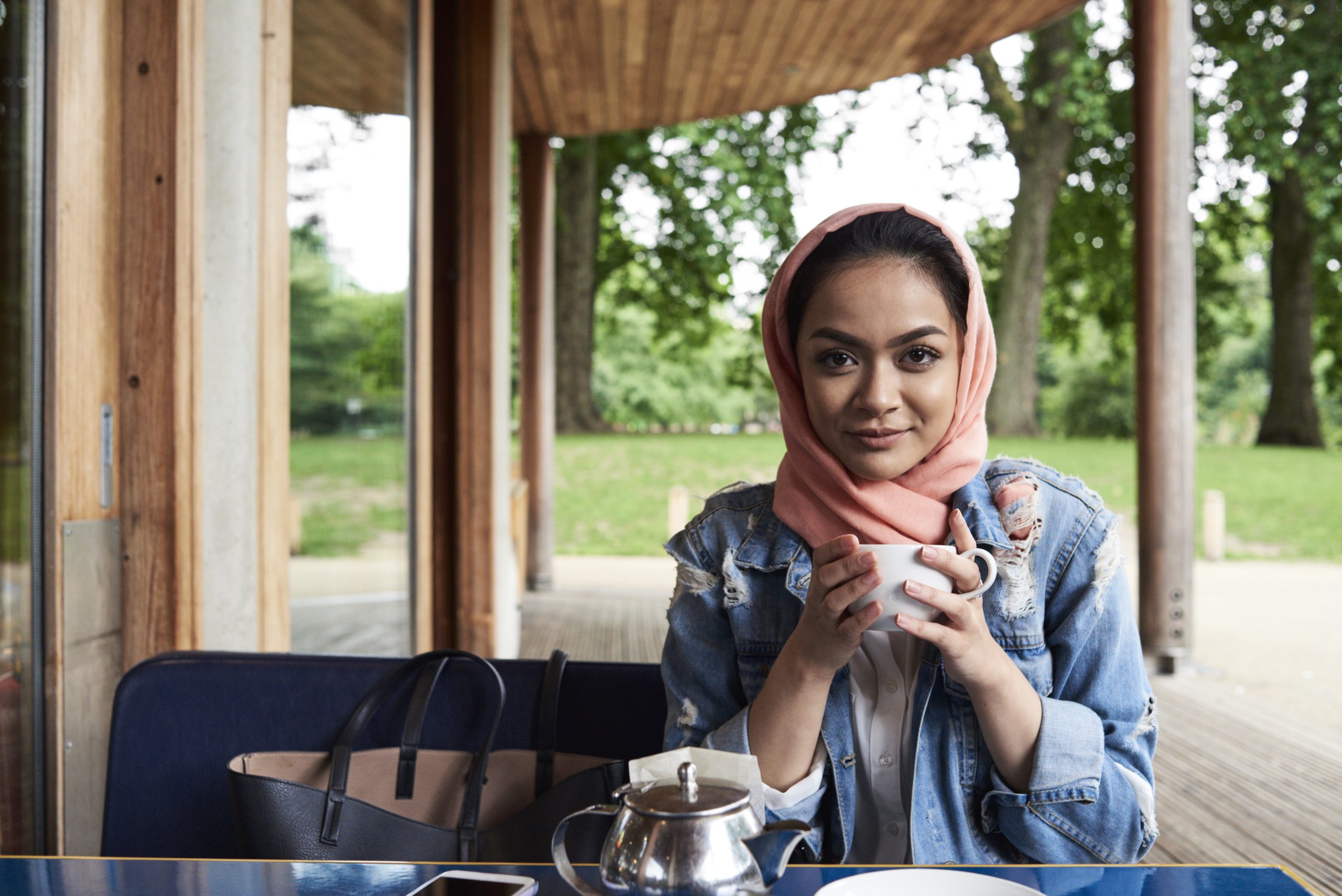
After prayer, Muslims naturally seek places to sit, talk, and reflect. Coffee shops close to mosques provide that seamless transition from worship to social life — without compromising values.
These spaces are designed to be inclusive, modest, and mindful. They often feature:
Halal-certified menus, including coffee, desserts, and snacks.
Quiet, comfortable interiors ideal for reflection or conversation.
Family-friendly environments, free from alcohol and loud music.
Prayer-friendly design, sometimes with wudu areas or prayer mats available.
They aren’t just businesses — they’re extensions of the mosque’s community spirit, welcoming everyone who seeks calm amid the chaos of the city.
3. Why Muslim Entrepreneurs Are Leading the Trend:
The halal café boom is being led by a new generation of Muslim entrepreneurs who see coffee not only as a product but as a form of service (khidmah).
For them, owning a café near a mosque isn’t about competition — it’s about complementing the mosque’s role in community life. These entrepreneurs blend business with barakah (blessing) by focusing on:
Ethical sourcing — fair-trade beans and eco-friendly packaging.
Community reinvestment — supporting local charities or youth programs.
Cultural preservation — offering traditional drinks like Arabic qahwa, Yemeni mofawar, or Pakistani karak chai alongside espresso-based drinks.
By aligning business with values, they’ve created a café culture that’s not only halal but deeply meaningful.
As one café owner in Toronto put it:
“We’re not just serving coffee; we’re serving connection — a place where faith feels natural, not separate.”
4. Global Examples of Halal Café Hubs Near Mosques:
Here are some standout cities where halal cafés are thriving around mosques, symbolizing this global shift:
1. London, UK:
Near the East London Mosque, cafés like Chaiiwala and Grounded Coffee Co. buzz with post-Jummah energy. They’re gathering spots for students, families, and professionals who want halal comfort food, chai, and meaningful conversation.
2. Istanbul, Turkey:
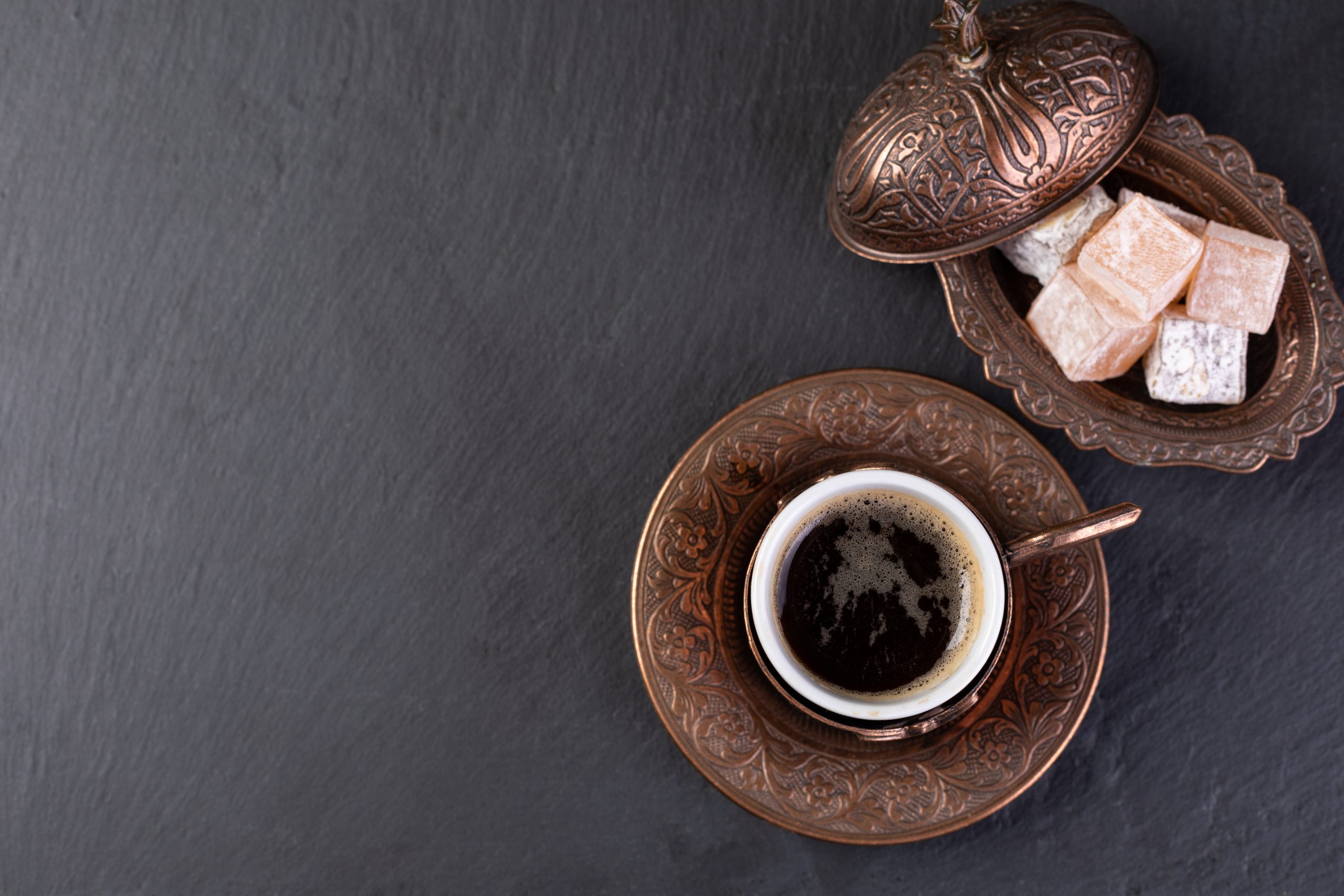
Around the Blue Mosque and Süleymaniye Mosque, traditional Turkish cafés like Şark Kahvesi and Cafe Mesale keep centuries of Ottoman coffee heritage alive. The scent of roasted beans and the sound of adhan blend perfectly — a sensory bridge between past and present.
3. Kuala Lumpur, Malaysia:
Close to Masjid Jamek, cafés like LOKL Coffee Co. and Merchant’s Lane cater to locals and travelers with halal-certified menus and cozy interiors ideal for reflection. These spaces embody Malaysia’s unique blend of faith and modern creativity.
4. Dubai, UAE:
Near the Jumeirah Mosque, cafés such as The Lime Tree Café promote ethical sourcing and wellness, offering a serene environment for locals and tourists. Here, conversations about life and spirituality often happen naturally over cardamom lattes.
5. Toronto, Canada:
Around Jame Abu Bakr Siddique Mosque, places like Coffee Culture and Café Demitasse offer halal and vegetarian-friendly options. They serve as meeting spots for interfaith and youth groups, proving that halal cafés can build bridges across communities.
Each of these destinations shows how coffee culture can thrive within faith — not outside it.
5. A New Kind of Social Space: The Third Place for Muslims:
Sociologists call cafés “third places” — spaces outside home and work where people build relationships and share ideas. For Muslims in urban cities, halal coffee shops near mosques have become precisely that.
These cafés serve as modern majlis (gathering spaces) — where faith discussions meet creative dialogue. Here, you might find:
Students studying Qur’an and Arabic together.
Artists showcasing Islamic calligraphy.
Travelers sharing stories about their spiritual journeys.
Entrepreneurs hosting networking sessions rooted in ethical business.
By positioning themselves near mosques, these cafés naturally attract an audience seeking more than coffee — people seeking belonging.
6. The Aesthetics of Calm: Islamic Design in Café Spaces:
Halal cafés often take inspiration from Islamic aesthetics, blending beauty and spirituality.
Their designs reflect principles of balance, light, and harmony — much like mosque architecture itself. Common elements include:
Geometric patterns and calligraphy.
Natural materials like wood and stone.
Warm lighting and neutral tones.
Subtle reminders of faith through art and quotes.
The result? Environments that invite not just consumption but contemplation — spaces that soothe the senses while keeping the spirit awake.
7. The Social Impact: Strengthening Community Bonds:
Beyond aesthetics and caffeine, halal cafés near mosques are strengthening Muslim community ties in urban environments often marked by isolation.
They host iftar nights during Ramadan, charity drives, book readings, and youth discussions. They provide safe, inclusive spaces for women and families. They even serve as bridges between Muslims and non-Muslims through open-door events.
In doing so, they continue Islam’s long-standing tradition of hospitality (karam) — serving coffee as a form of welcome, conversation, and connection.
As the Prophet Muhammad ﷺ said:
“The believer to the believer is like a building whose different parts strengthen one another.” (Bukhari & Muslim)
Each halal café near a mosque becomes a small but powerful part of that building — holding the community together, one cup at a time.
8. Faith, Flavor, and the Future:
The halal café movement isn’t just a trend — it’s the next chapter in Islam’s coffee story.
In a world that often rushes past meaning, these cafés invite people to pause, to reconnect with their roots, and to rediscover joy in mindful moments.
As cities grow denser and life gets faster, more Muslims — and even non-Muslims — are drawn to these spaces of warmth and authenticity. They’re proof that modernity and morality, business and barakah, can thrive side by side.
The rise of coffee shops near mosques signals not just a cultural evolution, but a spiritual one — where every sip can be an act of gratitude and every gathering, a form of worship.
Final Thoughts: Brewing Belonging in the Modern World:
Halal café culture shows us something profound: that faith doesn’t belong only in the mosque, nor social life only in the marketplace. Between the two lies a middle ground — a space of reflection, creativity, and community.
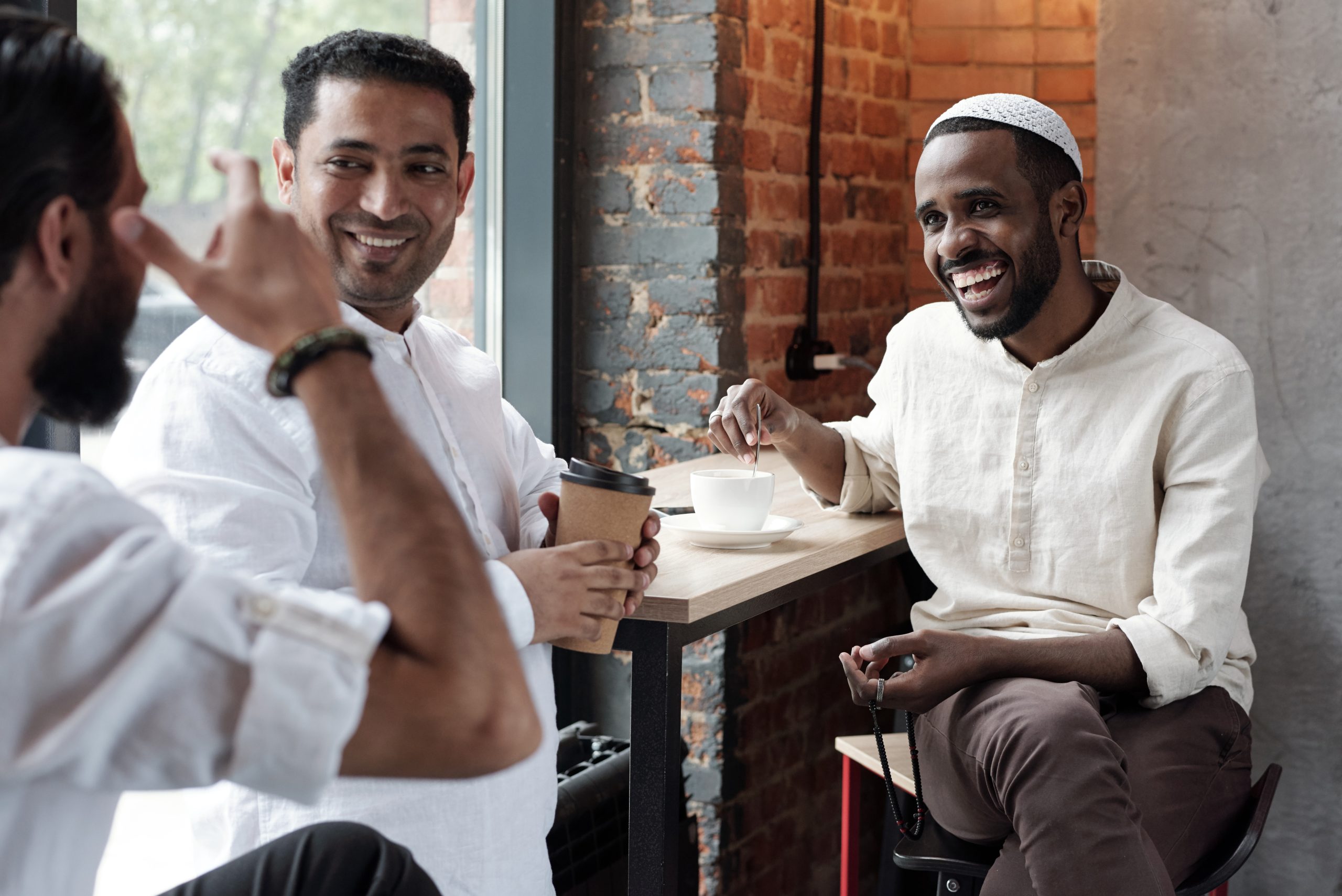
It’s found in a quiet corner café after Jumu’ah, in the laughter of friends sharing karak chai, in the soft hum of adhan through an open window.
In these moments, the boundaries between sacred and social fade away — leaving behind a simple, shared truth: coffee tastes best when it’s infused with connection and faith.