Hidden Corners: Exploring Lesser-Known Parks and Green Spaces in Your City:
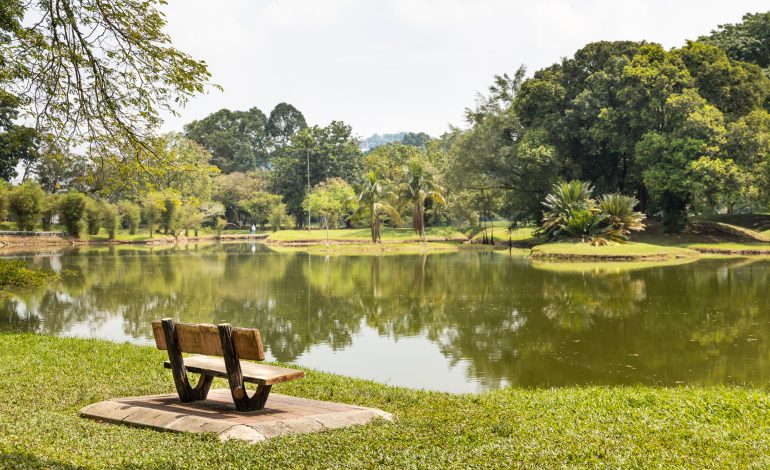

In every city, people flock to the big-name parks—those sprawling green spaces with fountains, food vendors, and picture-perfect picnic spots. While those destinations have their charm, there’s something magical about stumbling upon a quiet path, a tucked-away bench, or a patch of wildflowers where the crowds fade away. These hidden corners—the lesser-known parks and green spaces—offer locals a more personal, peaceful way to reconnect with nature, right in their own backyards.
If you’re looking to slow down, explore with intention, and avoid the tourist crowds, this post is your invitation to discover the underrated green lungs of your city. Whether you’re a nature lover, a quiet stroller, or just someone who needs a break from concrete and screens, these hidden parks offer the kind of serenity that big parks often can’t.
Let’s dive into how and where to find these peaceful escapes—and why they might just become your new favorite spots.
Why Explore Lesser-Known Parks?
Before we get into specific ideas, let’s talk about why these under-the-radar parks are worth your time:
1. Less Crowded, More Peaceful:
You won’t find bus tours or crowds with selfie sticks. Instead, you’ll hear birdsong, rustling leaves, and maybe even your own thoughts. These parks provide a true retreat from urban noise and social bustle.
2. Unique Character:
Small or hidden parks often reflect the neighborhood they’re in. Some have community gardens, art installations, or historical significance that isn’t obvious at first glance. These aren’t just green spaces—they’re living parts of the city’s culture.
3. Great for Solo Walks, Reading, or Meditation:
Need a quiet spot to read, reflect, or just breathe? A hidden park bench under the trees beats a noisy plaza any day.
4. Perfect for Local Discovery:
These parks help you get to know your city on a deeper level—beyond the landmarks and tourist traps.
7 Hidden Green Spaces to Look For in Your City:
Every city is different, but most urban areas—no matter the size—hide a few gems that many residents don’t even know about. Here’s a list of types of spaces to seek out, and what makes them special:
1. Pocket Parks Tucked Between Buildings:
Also called “vest-pocket parks,” these are tiny oases often squeezed between apartment buildings or stores. They might be just a few benches and some shade trees, but they’re perfect for lunch breaks or quiet moments. Look near older residential areas or business districts.
Pro tip: Search for community-maintained spots—they often have local charm and seasonal plantings.
2. Neighborhood Gardens and Urban Farms:
Many neighborhoods, especially in cities with strong community groups, have turned empty lots into vibrant gardens or small urban farms. These areas aren’t just about greenery—they’re about connection, education, and sustainability.
Look for:
Public composting areas.
Free produce stands.
Garden tours or volunteer days.
You’ll not only find a peaceful place, but you’ll also meet locals passionate about green living.
3. Nature Trails in Unexpected Places:
Some cities have nature preserves or wooded areas hidden in plain sight. You might find a small forest preserve near a school, a marshland near a highway, or a boardwalk trail just off a residential block. These spaces often support wildlife like birds, rabbits, or even deer—an incredible contrast to city life.
Pro tip: Use local parks department websites or hiking apps to find “nature trails” or “wetlands” in your zip code.
4. Old Cemeteries Turned Quiet Parks:
This might surprise you, but many older cemeteries in cities double as peaceful walking spots. With ancient trees, winding paths, and historical markers, these spaces offer both quiet reflection and a fascinating glimpse into the past.
Always treat these areas with respect, but know that they’re often open to the public and designed to be walked and appreciated.
5. Rooftop or Vertical Gardens:
Especially in dense urban cores, some green spaces grow vertically. Look for:
Rooftop gardens on libraries or museums.
Green walls on office buildings.
Public terraces with planters and shade.
These spaces are perfect for city dwellers who want a dose of green without leaving downtown.
6. Waterfront Greenways & Riverwalks:
Cities built around rivers, lakes, or coastlines often have underused paths or mini-parks along the water. These are often ideal for walking, biking, or journaling. You’ll get cool breezes, great views, and a fresh perspective—without needing a car or a beach day.
Don’t forget: Some of the best fishing spots or sunrise views are in these overlooked stretches.
7. Hidden Courtyards Behind Public Buildings:
Ever noticed a small garden behind a museum or city hall? These “institutional courtyards” are often open to the public but rarely advertised. They may have fountains, sculpture gardens, or shaded benches that are perfect for reading or escaping your screen.
Ask around or check local event listings—sometimes yoga classes or live music quietly pop up in these spaces.
How to Find Hidden Parks in Your City:
Ready to go exploring? Here are some ways to find those lesser-known green spaces near you:
Use Google Maps creatively. Zoom in on your neighborhood and look for green spots that aren’t labeled as major parks.
Check your city’s parks department website. Look for park listings by neighborhood or special features.
Follow local nature or photography accounts on Instagram. Locals love sharing their quiet finds.
Ask your neighbors. Longtime residents often know where the quietest trails or best picnic spots are.
Try apps like AllTrails or Komoot. These hiking apps often list urban trails and user-generated reviews of small parks.
What to Bring When Visiting Hidden Green Spaces:
Water + a snack (some of these spots won’t have vending machines or food trucks).
A book or journal (perfect places to write or read).
Bug spray or sunscreen, depending on the season.
A trash bag to pack out any garbage (keep it cleaner than you found it!).
A sense of curiosity — you never know what you’ll stumble across.
Final Thoughts: Embrace the Quiet Corners:
In a world that often moves too fast, these hidden parks and green spaces offer something increasingly rare: a place to slow down. No tickets, no noise, no schedule—just trees, sky, and time.
Whether you discover a tucked-away courtyard in your neighborhood or travel across town to walk a forgotten trail, these green escapes reconnect us to what matters. They remind us that cities aren’t just made of steel and stone—but also roots, birdsong, and breeze.
So next weekend, skip the usual spots. Grab a coffee, lace up your shoes, and wander toward the quiet corners. You just might find your new favorite place.