Hidden Ingredients That Could Make Your Coffee Non-Halal:


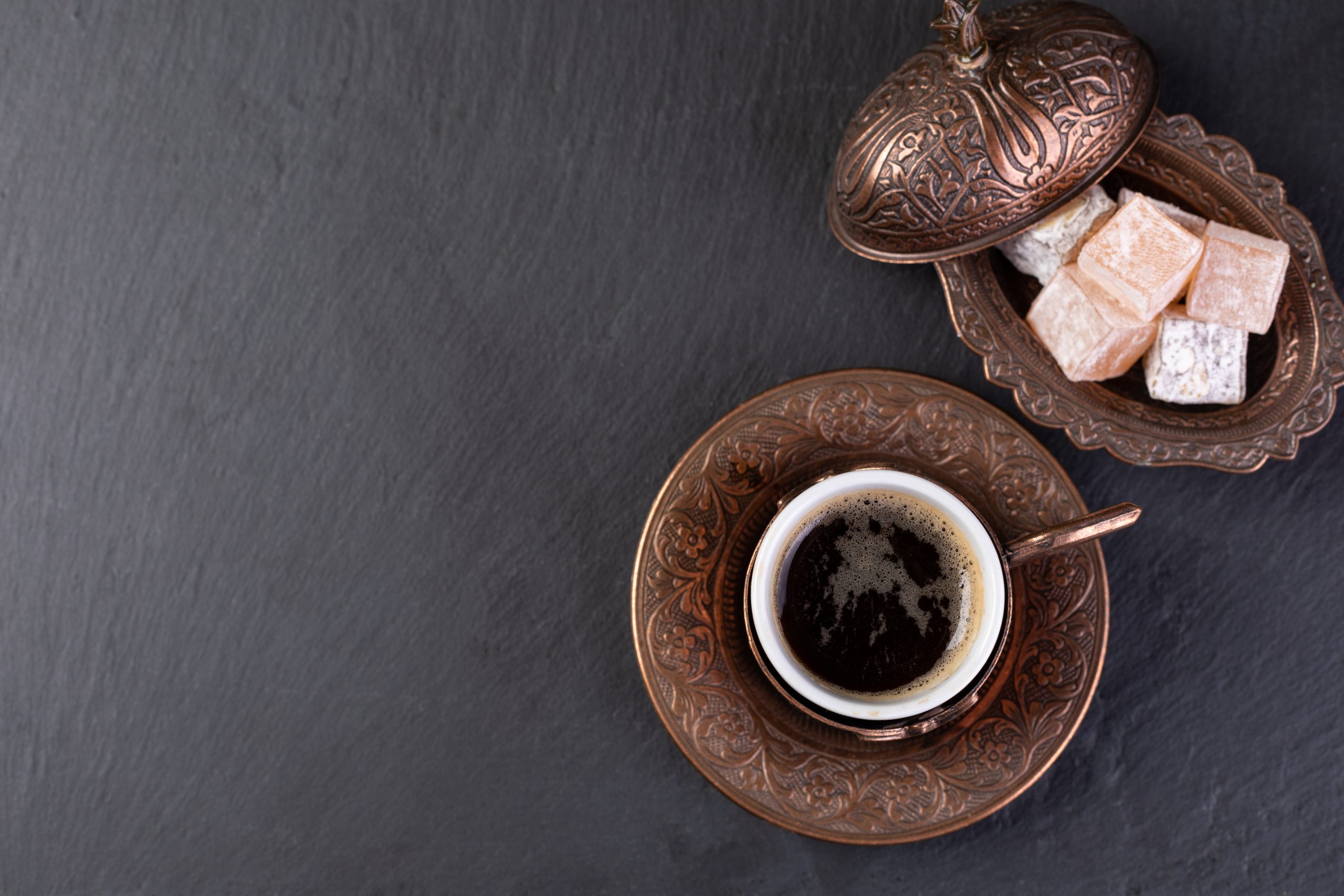
Coffee is one of the most widely consumed beverages in the world, and for many people, a daily ritual. For Muslim consumers, however, that cup of coffee isn’t just about taste or caffeine—it’s also about compliance with Halal dietary standards.
At first glance, coffee seems simple enough: roasted beans, hot water, maybe a bit of milk or sugar. So it’s easy to assume that coffee is naturally Halal. But the truth is, there are hidden ingredients and processes that could render your favorite cup non-Halal or doubtful (Mashbooh).
In this post, we’ll explore the less obvious ingredients and practices that could compromise the Halal integrity of coffee, especially in commercial coffee shops and cafes.
What Makes an Ingredient Non-Halal?
Before diving into the specifics, let’s quickly review what “Halal” means in the context of food and drink.
Halal (permissible) items are those allowed under Islamic law. In contrast, Haram (forbidden) items include:
Pork and its derivatives.
Alcohol (in any form).
Animals not slaughtered in a Halal way.
Cross-contamination with Haram items.
Mashbooh refers to doubtful or questionable items—neither clearly Halal nor clearly Haram—usually because of uncertain sourcing or processing methods.
Even trace amounts of Haram substances can render a product unsuitable for consumption by observant Muslims. Let’s look at some common hidden ingredients in coffee and coffee-related products that fall into this gray or forbidden area.
1. Alcohol-Based Flavorings and Extracts:
One of the most common hidden sources of non-Halal content in coffee drinks is flavorings made with alcohol.
Examples:
Vanilla extract.
Hazelnut or Irish cream syrup.
Caramel or almond essence.
Many commercial flavorings—especially those used in cafes—are made with ethyl alcohol (ethanol) as a solvent. While the alcohol is typically used in small amounts and may “evaporate” during heating, Islamic dietary law considers any amount of alcohol added intentionally in food or drink as Haram.
Halal Tip:
Look for Halal-certified syrups and extracts or use alcohol-free alternatives. Brands like Monin and DaVinci offer Halal-certified lines in many countries.
2. Non-Halal Gelatin in Toppings and Desserts:
Many coffee shops serve drinks with whipped toppings, marshmallows, or dessert add-ons. These often contain gelatin, which can be derived from pork or non-Halal slaughtered animals.
Where it shows up:
Marshmallows in hot chocolate or mocha drinks.
Cakes and brownies served with coffee.
Mousse, panna cotta, and creamy desserts in coffee shops.
Unless the gelatin is explicitly Halal-certified, it should be considered doubtful or non-Halal.
Halal Tip:
Only consume desserts and toppings labeled with Halal certification or confirmed to be made with plant-based or Halal-certified gelatin.
3. Emulsifiers and Enzymes in Creamers and Non-Dairy Milks:
Coffee creamers and plant-based milk alternatives (like almond, soy, or oat milk) often contain emulsifiers and enzymes to improve texture and shelf life.
Some of these additives, like mono- and diglycerides, can be derived from animal fat, including pork, unless otherwise stated.
Risk ingredients:
E471 (Mono- and diglycerides of fatty acids).
E472 (Various esters of mono- and diglycerides).
Casein and rennet in cream-based products.
Unless the source is plant-based or Halal-certified, there’s a risk of contamination.
Halal Tip:
Ask suppliers or cafes whether their milk alternatives and creamers are plant-based or certified Halal. Some major brands do label their emulsifiers as “vegetarian” or “plant-derived.”
4. Coatings on Coffee Beans:
Some specialty or flavored coffee beans come with glazed coatings or are roasted with added flavors. These can contain glycerin, alcohol-based flavorings, or non-Halal additives.
Flavored coffee bean risks:
Chocolate-coated beans.
Irish cream–flavored beans.
“Liquor-inspired” flavor profiles.
If the coating uses alcohol-based flavoring or contains dairy from non-Halal sources, the beans are no longer Halal-compliant.
Halal Tip:
Stick with plain, unflavored coffee beans or buy from Halal-certified roasters.
5. Cross-Contamination in Shared Equipment:
In many coffee shops, especially chains or independent cafes that also serve non-Halal food, cross-contamination is a major concern. The same utensils, blenders, or preparation surfaces may be used for:
Non-Halal meat sandwiches.
Alcohol-based liqueur syrups.
Bacon and egg breakfast items.
Even if your coffee drink contains only Halal ingredients, it can become non-Halal by contact if prepared on unclean or shared surfaces.
Halal Tip:
Ask about separate preparation areas or stick to drinks that don’t require blended equipment or shared tools.
6. Cocoa Powder and Chocolate Syrups:
Chocolate and cocoa-based drinks are popular coffee shop staples—but not all chocolate products are created equal. Many chocolate syrups and cocoa powders contain:
Alcohol-based flavoring agents.
Lecithin derived from non-Halal animal sources.
Non-Halal dairy additives.
Unless labeled Halal, they may fall under the Mashbooh category.
Halal Tip:
Opt for Halal-certified chocolate syrups or ask about ingredients. Be cautious of items like mocha frappes, hot chocolate, or iced chocolate drinks.
7. Cheese-Based Pastries and Sandwiches:
If your coffee comes with a cheese croissant, bagel, or sandwich, it’s important to consider the source of the cheese. Many cheeses are made using animal rennet, which may come from non-Halal animals.
Even a cheese danish or savory pastry could be questionable unless the cheese is vegetarian or Halal-certified.
Halal Tip:
Avoid cheese-containing items unless the source is clearly marked as vegetarian or Halal.
8. Alcohol-Infused Specialty Drinks:
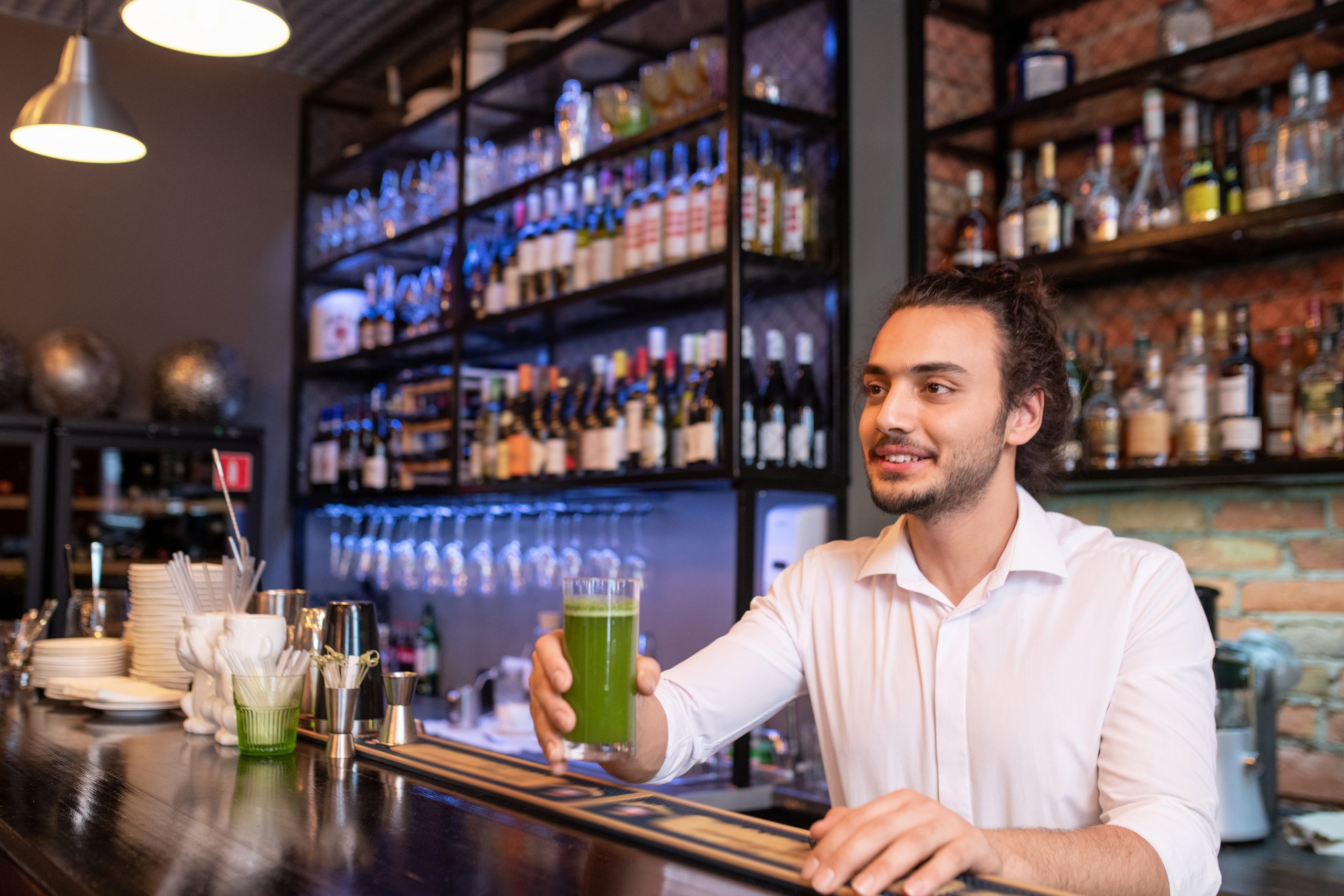
Some high-end coffee shops create coffee cocktails or alcohol-inspired drinks using spirits or liqueurs such as:
Kahlua (coffee liqueur).
Baileys Irish Cream.
Whiskey or rum syrups.
Even if labeled “non-alcoholic” by culinary standards (due to low volume), these drinks are still Haram under Islamic law.
Halal Tip:
Avoid any drink with references to alcoholic names or flavors, even if alcohol is claimed to have “cooked off.”
How to Stay Safe as a Consumer:
Ask Questions: Don’t hesitate to ask your barista about the ingredients and preparation methods.
Look for Certification: Choose cafes that have Halal certification or display Halal-friendly products.
Stick to Simple Orders: The simpler the drink, the lower the risk—plain coffee, espresso, or tea.
Research Brands: Familiarize yourself with Halal-certified brands for syrups, milk, and snacks.
Support Halal Coffee Shops: Seek out or support Muslim-owned or Halal-certified cafes that make conscious efforts to serve compliant products.
Conclusion
While coffee seems like a universally safe drink, there are many hidden ingredients and practices that can make it non-Halal or questionable for Muslim consumers. From alcohol-based flavorings to cross-contamination risks, being aware of these issues is essential.
For businesses, offering Halal-compliant coffee and snacks is a meaningful way to be inclusive and trustworthy. And for consumers, staying informed empowers you to enjoy your coffee with confidence and peace of mind.
So next time you grab your latte or mocha, take a moment to ask: Is it truly Halal—or just looks that way?