




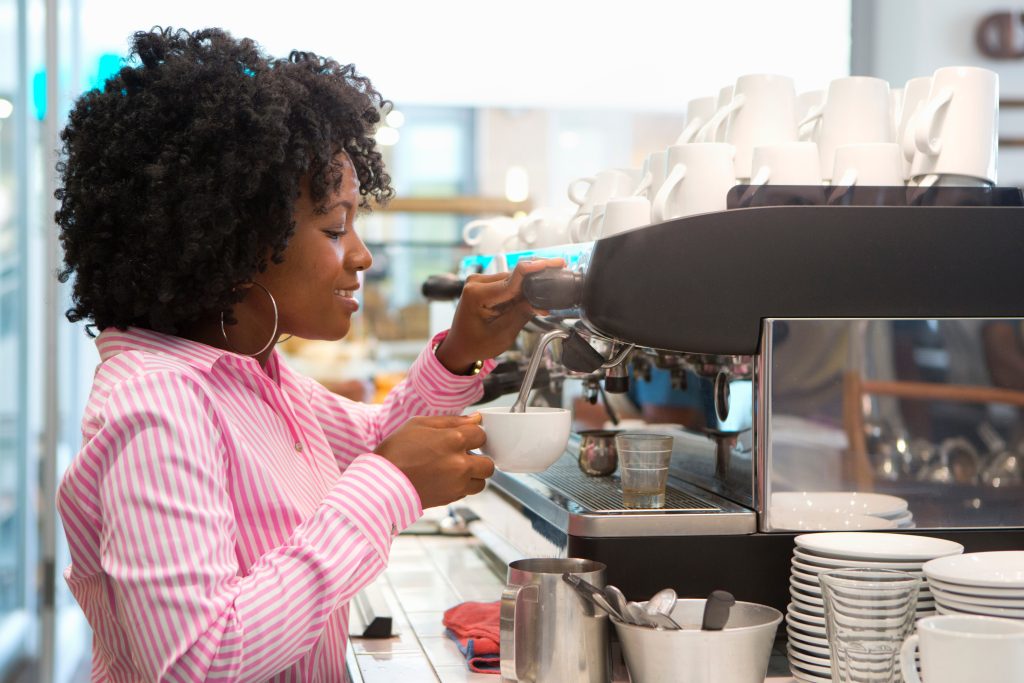
Opening a coffee shop is a dream for many — the smell of fresh espresso, the cozy hum of conversation, and the satisfaction of building a community hub. But before your first latte hits the counter, one question looms large: how much does it actually cost to open a coffee shop?
The answer depends on your location, concept, and size — but one thing’s for sure: opening a café requires thoughtful financial planning. From equipment and rent to marketing and licenses, every expense adds up. This guide breaks down the real costs of opening a coffee shop and offers insight on how to budget wisely.
1. Average Startup Costs at a Glance:
While every café is different, here’s a general cost overview based on the type of coffee shop you plan to open:
| Type of Coffee Shop | Estimated Startup Cost |
|---|---|
| Coffee kiosk / cart | $25,000 – $75,000 |
| Small café or espresso bar | $80,000 – $200,000 |
| Full-service coffee shop (with seating & food) | $200,000 – $400,000 |
| Drive-thru coffee stand | $100,000 – $250,000 |
Your total investment will depend on location, square footage, menu size, and design choices. But regardless of scale, every coffee shop involves similar core expenses.
2. Lease and Renovation Costs:
One of your biggest upfront costs will be rent and build-out.
-
Rent / Lease Deposit: Expect to pay 2–3 months’ rent upfront. Monthly rates vary by city — from $2,000–$5,000 in small towns to $8,000–$15,000+ in urban centers.
-
Renovations & Interior Design: Whether it’s a cozy rustic café or sleek minimalist espresso bar, renovations can cost $20,000–$100,000. This includes flooring, painting, plumbing, electrical work, and furniture.
-
Permits & Zoning Fees: Plan for $2,000–$10,000 depending on local regulations.
Pro tip: Choose a space that already has plumbing and ventilation suited for food service — it can save you tens of thousands in remodeling costs.
3. Coffee Equipment: The Heart of Your Business:
Your espresso machine is your café’s engine — and quality matters. Skimping on equipment can hurt drink consistency and speed, so invest wisely.
Here’s a breakdown of essential coffee equipment and estimated costs:
| Equipment | Estimated Cost Range |
|---|---|
| Commercial espresso machine | $8,000 – $25,000 |
| Coffee grinders (2–3) | $1,000 – $3,000 each |
| Coffee brewer / pour-over setup | $2,000 – $5,000 |
| Water filtration system | $1,000 – $3,000 |
| Refrigerator / freezer | $2,000 – $5,000 |
| Ice maker | $1,500 – $4,000 |
| POS (point-of-sale) system | $1,000 – $3,000 |
| Smallware (pitchers, tampers, mugs, utensils) | $2,000 – $5,000 |
Altogether, expect to spend $25,000–$40,000 on essential equipment for a mid-sized coffee shop.
4. Furniture, Fixtures, and Décor:
Your café’s aesthetic is part of your brand — and it impacts how long customers stay and how much they spend.
Furniture and décor expenses typically include:
-
Tables and chairs: $5,000 – $15,000.
-
Countertops and shelving: $3,000 – $10,000.
-
Lighting and fixtures: $2,000 – $6,000.
-
Signage and menu boards: $1,000 – $3,000.
-
Décor, plants, and art: $1,000 – $5,000.
Total estimate: $12,000–$30,000, depending on your design style. A cozy, Instagram-worthy space can justify slightly higher spending — it doubles as free marketing.
5. Licenses, Permits, and Legal Fees:
Before serving your first espresso, you’ll need to ensure your coffee shop complies with all local regulations.
Common licenses and permits include:
-
Business registration: $200–$1,000.
-
Health department permits: $500–$2,000.
-
Food handling licenses: $100–$500 per employee.
-
Signage permits: $200–$1,000.
-
Liability insurance: $1,200–$3,000 annually.
Also, consider legal or consulting fees for lease negotiations and business formation—budget around $2,000–$5,000.
6. Inventory and Initial Supplies:
You’ll need a solid starting inventory of beans, milk, syrups, teas, pastries, and packaging materials before opening day.
Typical startup inventory costs include:
-
Coffee beans (initial bulk order): $1,500 – $3,000.
-
Milk, syrups, and condiments: $1,000 – $2,500.
-
Cups, lids, napkins, stirrers, straws: $500 – $1,500.
-
Baked goods and snacks: $500 – $2,000.
Plan for $3,000–$7,000 in opening inventory, depending on menu size and expected sales volume.
7. Marketing and Branding:
Marketing begins long before you open your doors. You’ll need to invest in branding, signage, and digital marketing to generate buzz.
Estimated marketing costs:
-
Logo and branding design: $500 – $2,000.
-
Website and online ordering setup: $1,000 – $5,000.
-
Social media ads and content: $500 – $3,000 (initial campaigns).
-
Photography and launch promotions: $500 – $1,500.
Total marketing estimate: $2,000–$8,000.
Tip: Focus your budget on high-impact areas like social media visuals and community engagement — they generate organic word-of-mouth traction faster than paid ads alone.
8. Staffing and Training:
Staffing is an ongoing cost, but initial hiring and training expenses must be included in your startup budget.
Typical expenses:
-
Baristas / staff wages (1–3 months pre-opening): $5,000 – $15,000.
-
Training and onboarding materials: $1,000 – $3,000.
-
Uniforms or aprons: $300 – $1,000.
Investing in training ensures consistency and customer satisfaction from day one. A well-trained barista team can make or break your reputation.
9. Technology and Operations:
Modern coffee shops rely on technology to streamline operations and improve customer experience.
Budget for:
-
POS system and hardware: $1,000 – $3,000.
-
Accounting software and bookkeeping setup: $500 – $2,000.
-
Wi-Fi setup and router: $200 – $1,000.
-
Security system and cameras: $1,000 – $3,000.
These systems help you stay organized and efficient — vital for long-term profitability.
10. Working Capital and Emergency Fund:
Even with great planning, it takes months for a new café to reach consistent profits. You’ll need working capital to cover early operational costs — such as payroll, rent, and inventory — for at least three months.
Recommended working capital reserve: $20,000 – $40,000.
Also, set aside an emergency fund (around 10–15% of your total budget) for unexpected repairs, slower sales periods, or equipment maintenance.
11. Sample Coffee Shop Budget Summary:
Here’s what a mid-sized sit-down coffee shop might expect to spend overall:
| Category | Estimated Cost Range |
|---|---|
| Rent & renovations | $40,000 – $100,000 |
| Equipment | $25,000 – $40,000 |
| Furniture & décor | $15,000 – $30,000 |
| Licenses & legal fees | $5,000 – $10,000 |
| Inventory | $3,000 – $7,000 |
| Marketing | $2,000 – $8,000 |
| Staffing & training | $6,000 – $15,000 |
| Technology & setup | $3,000 – $6,000 |
| Working capital | $20,000 – $40,000 |
| Total Estimated Cost | $120,000 – $250,000 |
12. Cost-Saving Tips for First-Time Coffee Shop Owners:
You don’t need to overspend to succeed. Here are smart ways to reduce costs:
-
Buy used equipment from trusted vendors. Many lightly used machines still perform perfectly.
-
Start small. A compact coffee bar can grow later into a full café.
-
DIY décor and branding if you have creative skills.
-
Partner with local bakeries instead of running your own kitchen.
-
Negotiate rent or ask for a rent-free build-out period from landlords.
Efficiency and smart spending will help you invest where it matters most — quality coffee and customer experience.
Final Sip: Invest Smart, Brew Success:
Opening a coffee shop isn’t cheap — but with careful planning and a clear understanding of costs, it’s absolutely achievable. From equipment to marketing, every dollar you spend should serve a purpose: building a space people love.
Remember, great coffee attracts customers — but thoughtful budgeting keeps your business running. Start small, plan wisely, and soon you’ll go from brewing dreams to serving reality — one cup at a time.