How to Identify a Halal Coffee Shop: A Guide for Conscious Consumers:
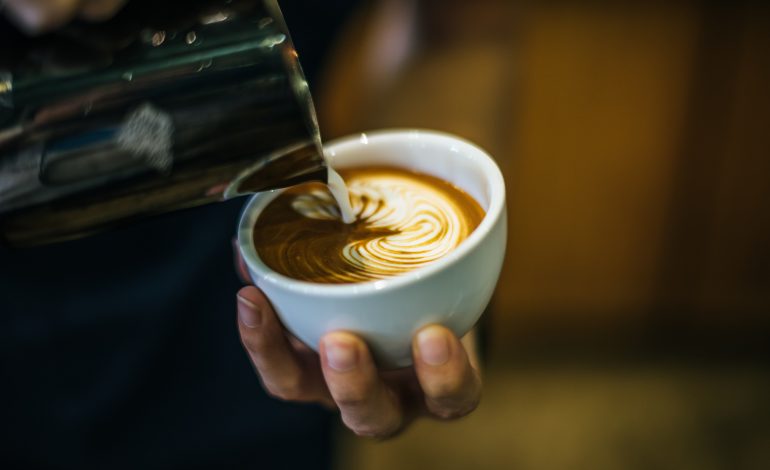

In today’s café culture, a good cup of coffee isn’t just about taste — it’s about trust. For Muslim consumers, that trust goes beyond the beans or barista skills. It’s about ensuring that every sip, snack, and setting aligns with halal principles — where ethical sourcing, purity, and mindfulness meet.
But as the global coffee scene expands, not every café that “seems fine” is actually halal. From hidden alcohol ingredients in desserts to non-halal syrups or even questionable sourcing, there’s more to look out for than many realize.
This guide walks you through how to identify a halal coffee shop — so you can enjoy your cappuccino with confidence and peace of heart.
1. What Makes a Coffee Shop “Halal”?
A halal coffee shop is one that fully complies with Islamic dietary and ethical guidelines. This means more than just avoiding pork or alcohol — it reflects a philosophy of cleanliness (taharah), ethical sourcing (halal tayyib), and community responsibility.
Key features include:
All ingredients (coffee, milk, syrups, desserts) are halal-certified or alcohol-free.
No alcohol is served or used in preparation or cleaning.
Food handling follows Islamic hygiene standards.
The café promotes an environment of modesty and inclusivity, avoiding loud music, offensive imagery, or inappropriate ambiance.
Staff respect prayer times, fasting periods, and Muslim customs.
In short, a halal coffee shop is not just about what you consume — it’s about how you experience it.
2. Start With Certification — But Go Beyond It:
The first step in identifying a halal coffee shop is checking for official halal certification.
Look for certifications from credible authorities like:
JAKIM (Malaysia).
MUIS (Singapore).
HFA / HMC (UK).
IFANCA (USA).
Majelis Ulama Indonesia (MUI).
However, not every halal café carries a certificate — especially small, independent shops. That doesn’t necessarily mean they’re non-halal. In such cases, look deeper into their transparency and practices:
Do they mention halal ingredients on their menu?
Are their suppliers verified halal?
Do they avoid serving alcohol?
Do they label items clearly for Muslim consumers?
A truly halal-conscious café will communicate its standards proudly — often in-store or on its website.
3. Check the Menu — Hidden Ingredients Matter:
Even a coffee that looks “simple” can contain hidden non-halal elements. Here’s what to keep an eye on:
1. Flavored Syrups and Extracts:
Some syrups (like vanilla, hazelnut, or Irish cream) contain trace amounts of alcohol as a preservative or flavor enhancer. Always ask your barista if they use alcohol-free alternatives.
2. Desserts and Pastries:
Cakes and pastries can include gelatin, non-halal emulsifiers, or rum extracts. Cheesecakes may contain animal-based rennet unless certified halal.
3. Chocolate and Sauces:
Chocolate sauces can sometimes contain alcohol-based flavorings. Ask if they use halal-certified brands like Monin Halal Line or Ghirardelli’s alcohol-free options.
4. Vegan ≠ Halal:
Many assume “vegan” automatically means halal, but vegan products can still use alcohol or cross-contaminated equipment. So, before you order that caramel macchiato or tiramisu latte — a quick question or two can make a big difference.
4. Observe the Environment:
Beyond the food and drink, a café’s ambiance and ethics also reflect whether it aligns with halal values.
Here’s what to notice:
No alcohol served or displayed — even in mixed beverages or for other guests.
Modest atmosphere — no loud music, inappropriate decor, or dim “bar-like” lighting.
Family-friendly seating — many halal cafés create inclusive environments for all ages.
Cleanliness and hygiene — Islam places high importance on purity (taharah) in spaces where food and drink are prepared.
A coffee shop that feels calm, clean, and welcoming to all — especially families — is often one built with halal consciousness in mind.
5. Check for Prayer Accessibility:
One subtle but powerful sign of a halal-friendly café is how it accommodates faith in practice.
Muslim-friendly coffee shops often provide or are located near:
Small prayer corners or rooms with prayer mats.
Mosques or Islamic centers within walking distance.
Prayer-time information displayed or mentioned in-store.
Even if they don’t have space for salah, respectful staff who understand and support your prayer needs make a huge difference.
Some cafés even time their quiet hours around Jumu’ah prayer — showing genuine awareness of Muslim customers’ lifestyles.
6. Ask the Right Questions:
Don’t hesitate to ask questions politely — most responsible owners appreciate conscious customers. Here are a few helpful ones:
“Is your menu fully halal-certified or pork/alcohol-free?”
“Do your syrups or flavorings contain alcohol?”
“Is your chocolate or dessert supplier halal-certified?”
“Do you share your kitchen space with non-halal items?”
If the staff answers clearly, confidently, and without hesitation, it’s usually a good sign of transparency and integrity.
7. Look for Muslim Ownership or Community Ties:
While not every halal café is Muslim-owned, many of the most trustworthy ones are — or they actively collaborate with local mosques, community groups, or halal certification bodies.
Muslim-owned coffee shops often integrate faith and service naturally. You’ll find:
Qur’anic calligraphy or Islamic art on the walls.
Charity initiatives like suspended coffee for those in need.
Family-oriented events during Ramadan or Eid.
Ethical sourcing aligned with barakah (blessing) principles.
Examples include Qahwa House (Dearborn), Project Chaiwala (Dubai), and Kopi Darussalam (Jakarta) — all known for combining quality coffee with strong community values.
8. Use Halal Discovery Apps and Directories:
Technology makes it easier than ever to locate halal coffee shops anywhere in the world. Download trusted halal discovery apps that include user reviews and certification details:
Zabihah – the world’s largest halal restaurant directory.
HalalTrip – for Muslim travelers.
HappyCow (Halal filter) – lists vegan/halal cafés globally.
Muslim Pro’s Places feature – includes prayer times and mosque maps.
Many cafés also promote their halal status on Instagram or Google Maps using hashtags like #HalalCoffee or #MuslimFriendlyCafé — making your search quicker and smarter.
9. Notice the Brand’s Ethics:
Being halal is not just about ingredients — it’s about ethics and intention. Many halal-conscious cafés also emphasize:
Fair trade coffee sourcing (supporting small farmers).
Sustainable packaging (avoiding waste).
Community service or charity (reflecting zakat-like generosity).
When a café’s mission aligns with compassion and fairness, it mirrors Islamic principles beautifully. As the Qur’an teaches:
“Eat of what is lawful and good on the earth, and do not follow the footsteps of Satan.” (2:168)
A truly halal coffee shop embraces both “lawful” (halal) and “good” (tayyib).
10. Trust Your Intuition:
Sometimes, you can tell more from the feeling of a place than from any certificate. A halal environment brings a sense of peace — the kind that aligns your conscience with your cup.
If something feels off — like alcohol bottles on display, unclear answers, or an uncomfortable vibe — trust that instinct. Remember, barakah comes from mindfulness, not just menu choices.
Final Thoughts: Conscious Coffee, Conscious Living:
As Muslim consumers, our choices carry meaning. When we seek halal coffee shops, we’re not just looking for caffeine — we’re supporting a lifestyle of faith, integrity, and awareness.
Every halal-conscious café you visit is part of a growing movement — one where faith meets flavor, and community meets conscience.
So next time you’re out for a latte or espresso, take a few moments to look beyond the foam and flavor. Ask questions. Read labels. Notice the atmosphere. Support businesses that respect your values.
Because in a world overflowing with options, halal isn’t just a label — it’s a way to live with purpose in every sip.