Modern Coffee Shop Design Ideas: Creating Spaces That Inspire Connection:

In an age where coffee shops double as offices, community hubs, and creative spaces, design has become as important as the coffee itself. A great cup of coffee draws people in—but it’s the design that makes them stay.
Modern coffee shop design goes beyond furniture and lighting; it’s about creating an experience—spaces that invite connection, spark creativity, and offer comfort. Whether you’re building a new café or redesigning an existing one, these modern design ideas can help you craft a space that resonates deeply with your customers and keeps them coming back.
1. The Shift Toward Experience-Centered Design:
Today’s coffee drinkers are looking for more than caffeine—they’re looking for connection. The modern café serves as a “third place,” a comfortable setting between home and work where people can relax, meet, or think.
To achieve that, design must focus on experience, not just aesthetics. Every detail—from seating flow to lighting warmth—contributes to how customers feel in your space. Modern café design integrates comfort, community, and creativity, blending visual appeal with emotional atmosphere.
2. Open Layouts: Encouraging Flow and Interaction:
The days of cramped, compartmentalized coffee shops are fading. Open layouts are at the heart of modern design, promoting fluid movement and social engagement.
By reducing barriers between the barista station and the seating area, cafés create transparency—customers can watch their coffee being crafted, sparking interaction.
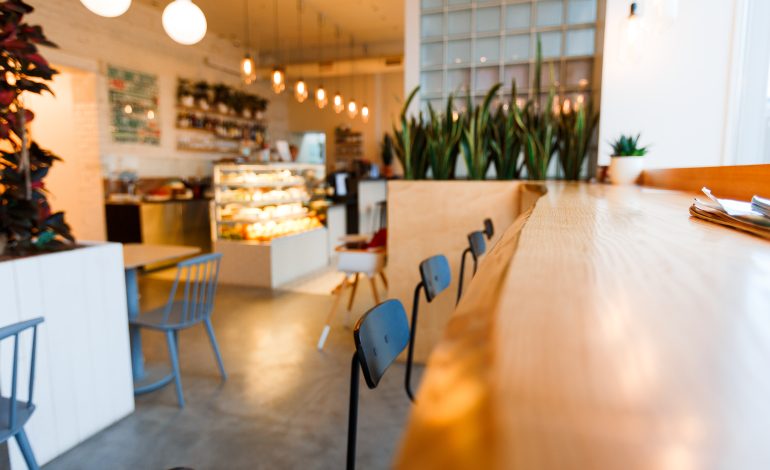
Large communal tables invite group conversations, while small corner setups offer solitude for remote workers.
Use furniture to define zones instead of walls:
Long counters for quick service.
Cozy nooks for private chats.
Window seating for solo visitors.
A flexible layout ensures your café feels inclusive and lively, accommodating both quiet mornings and bustling afternoons.
3. Warm Minimalism: Simplicity Meets Comfort:
Modern design isn’t about stark, sterile minimalism—it’s about warm minimalism. This aesthetic keeps things simple but welcoming.
Key elements include:
Neutral color palettes like soft whites, beige, and muted earth tones.
Natural textures such as wood, linen, and stone for warmth.
Clean lines that promote calm and focus.
Subtle lighting that glows rather than glares.
The goal is to create an uncluttered environment where customers feel peaceful and present. It’s a space where conversations flow easily and creativity flourishes—proof that “less” can indeed feel like “more.”
4. Biophilic Design: Bringing Nature Indoors:
Biophilic design—the art of incorporating nature into interiors—is one of the strongest modern trends in hospitality spaces. Coffee shops that integrate natural elements don’t just look beautiful; they feel rejuvenating.
Practical ideas include:
Indoor plants and greenery walls that purify air and add life.
Natural materials like rattan, bamboo, and reclaimed wood.
Large windows that maximize natural light and outdoor views.
Earthy colors inspired by forests, soil, and stone.
This connection to nature fosters calm, focus, and creativity. It’s particularly powerful in urban settings, where customers crave a breath of fresh air—literally and visually.
5. Sustainable and Ethical Design Choices:
Modern consumers care deeply about sustainability—and your café’s design can reflect that commitment. Eco-friendly materials and energy-efficient systems aren’t just ethical choices; they’re part of your brand story.
Consider:
Reclaimed or recycled materials for furniture and décor.
Low-energy LED lighting and smart thermostats.
Locally sourced art and décor pieces.
Composting systems and waste-sorting stations integrated into your layout.
Sustainability communicates mindfulness, transparency, and care—values that resonate deeply with modern audiences.
6. Multi-Sensory Design: Creating Emotional Connection:
Design isn’t just what customers see—it’s what they feel, hear, and smell.
Modern coffee shops excel at crafting multi-sensory experiences that make every visit memorable.
For example:
Lighting sets mood—warm, diffused lighting makes people stay longer.
Music shapes atmosphere—acoustic or lo-fi beats enhance relaxation.
Scent evokes emotion—the aroma of freshly ground beans or baked goods adds comfort.
Texture influences touch—smooth marble counters, rough wood, or soft upholstery elevate tactile satisfaction.
The more senses you engage, the stronger the emotional connection your café builds with visitors.
7. Technology Meets Hospitality:
Modern doesn’t mean impersonal—it means seamless. Technology can enhance the customer experience without overshadowing human warmth.
Cafés today are integrating digital innovation smartly:
Contactless ordering and payments reduce wait times.
Charging stations and USB ports cater to freelancers and remote workers.
Digital menu boards keep things clean and updateable.
Smart lighting systems adjust brightness according to time of day.
When used thoughtfully, technology supports connection—it doesn’t replace it.
8. The Power of Art and Personal Expression:
Art has become a defining feature of modern coffee shops. Murals, installations, and creative décor transform walls into storytelling canvases.
Commissioning local artists not only beautifies your space but strengthens community ties. Every piece of art can represent your brand’s values—whether it’s minimalist, cultural, or abstract.
Some cafés take it a step further with interactive art walls, where customers can leave notes or doodles. This transforms passive décor into a living, evolving part of your brand’s narrative.
9. Zoning with Purpose: Balancing Connection and Privacy:
A hallmark of great modern café design is balance—spaces that feel both social and personal.
To achieve this:
Use furniture arrangement to create distinct zones (e.g., a quiet reading corner vs. group tables).
Install acoustic panels or textured surfaces to absorb noise.
Add green dividers like potted plants or partial walls to create semi-private zones.
People seek different experiences—some want solitude, others want connection. Thoughtful zoning ensures everyone finds their spot.
10. Local Character and Global Inspiration:
Modern doesn’t mean generic. The most memorable coffee shops infuse local culture into their design.
Whether through regional materials, locally inspired art, or indigenous color palettes, weaving your community’s essence into the café’s identity builds authenticity.
At the same time, don’t hesitate to draw inspiration from global café trends—Scandinavian simplicity, Japanese minimalism, or Mediterranean brightness. Blending the two creates a unique, globally inspired but locally grounded identity.
11. Flexible Design: Future-Proofing Your Space:
Modern café design embraces flexibility. As consumer habits shift, adaptable spaces ensure longevity.
Examples include:
Modular furniture that can be rearranged for events or workshops.
Movable counters or carts for pop-up experiences.
Expandable outdoor seating for seasonal use.
Hidden power sources to accommodate different layouts.
Flexibility allows your café to evolve with your customers—whether it’s hosting a poetry night, a study group, or an art exhibition.
12. Case Studies: Modern Cafés That Inspire:
Blue Bottle Coffee (Tokyo, Japan): Seamless minimalism that emphasizes precision and mindfulness in every detail.
The Grounds of Alexandria (Sydney, Australia): Industrial charm meets lush greenery, transforming an old warehouse into an immersive coffee oasis.
Verve Coffee Roasters (Los Angeles, USA): Sunlit spaces with natural wood tones and community tables that embody California’s relaxed, social vibe.
Each of these cafés exemplifies how design can go beyond aesthetics—creating environments that inspire emotion and connection.
13. The Final Brew: Designing Spaces That Bring People Together:
Modern coffee shop design isn’t about following trends—it’s about creating belonging. The best cafés blend functionality with feeling, offering spaces that nourish both the body and soul.
When customers walk in and feel instantly at ease—when conversations flow naturally and strangers become friends—that’s the true power of design.
In the end, great design doesn’t just serve coffee.
It serves connection.