Sip with Purpose: Muslim-Owned Coffee Shops You Should Support in Your City:


Coffee has always been more than just a drink — it’s a ritual, a conversation starter, and a reflection of culture and community. In recent years, Muslim-owned coffee shops have been making waves around the world, combining faith, entrepreneurship, and a passion for coffee to create spaces that are as warm and inviting as the beverages they serve.
From artisan roasters to cozy community cafés, these Muslim-owned establishments are redefining what it means to “sip with purpose.” They don’t just serve great coffee — they serve stories, values, and connections. Here’s why supporting them matters, and a look at some inspiring examples that may be right in your city.
1. The Rise of Muslim-Owned Coffee Culture:
The global coffee industry is seeing a shift. While major brands continue to dominate the market, there’s been an inspiring surge of independent, Muslim-owned cafés — each with its own unique story and mission.
Many of these coffee entrepreneurs began their journeys out of a love for both coffee and community. They’ve built brands that prioritize ethical sourcing, inclusivity, and social responsibility — principles that align closely with Islamic values.
Whether it’s supporting fair-trade farmers, creating halal-friendly spaces, or giving back to their communities, Muslim-owned coffee shops are proving that business can be both profitable and purposeful.
2. What Makes Muslim-Owned Coffee Shops Unique:
Muslim-owned cafés aren’t just coffee spots — they’re cultural experiences. Here’s what sets them apart:
a. Faith-Inspired Ethics:
At the heart of many Muslim-owned coffee shops lies a strong commitment to ethics and integrity. This includes halal-certified ingredients, fair-trade partnerships, and environmentally conscious practices. The focus isn’t just on profit — it’s on purpose.
These cafés often embody the Islamic principle of barakah (blessing) — ensuring that their work benefits not just the owner, but the wider community.
b. Community-Focused Spaces:
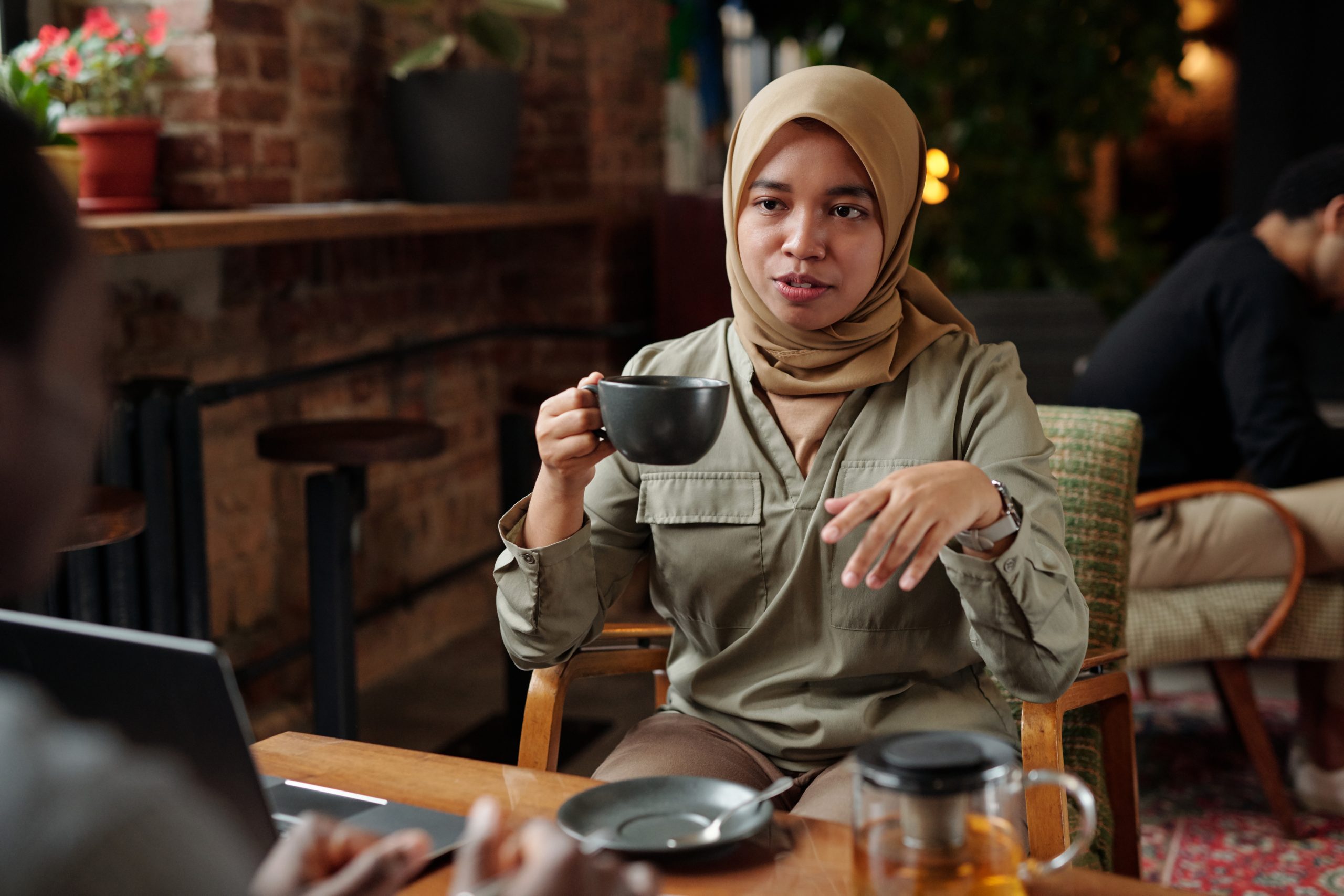
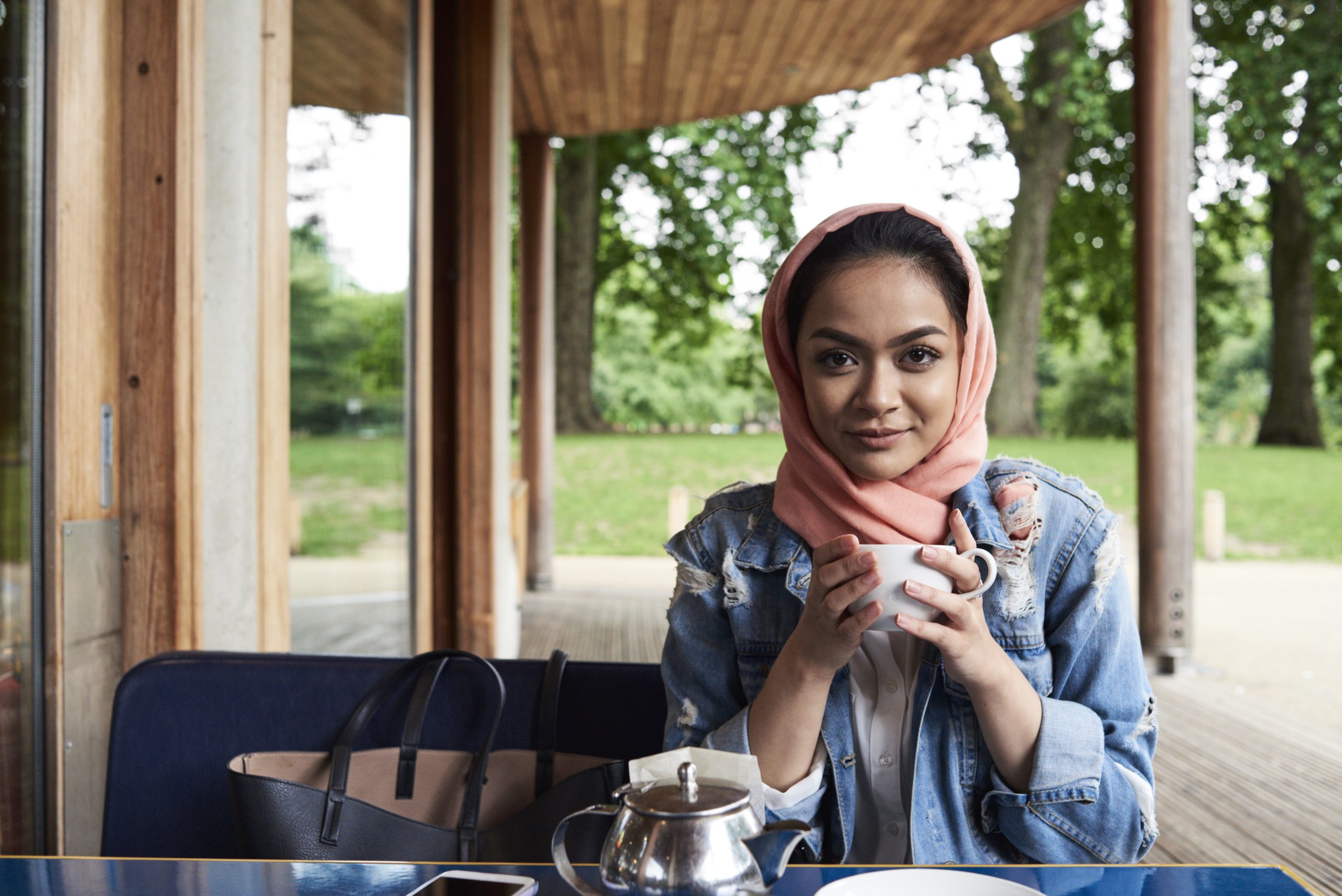
Walk into a Muslim-owned café, and you’ll often find more than just people drinking coffee. You’ll see students studying, families spending time together, and discussions on art, culture, and faith taking place over lattes.
These spaces are designed to be inclusive and welcoming, offering an environment where everyone — Muslim or not — can feel comfortable. Some cafés even host Quran study circles, poetry nights, or charity fundraisers, using coffee as a bridge for connection.
c. A Taste of Culture and Identity:
Many Muslim-owned coffee shops bring a unique flavor to their menus — blending traditional Middle Eastern, South Asian, or African influences with modern café culture.
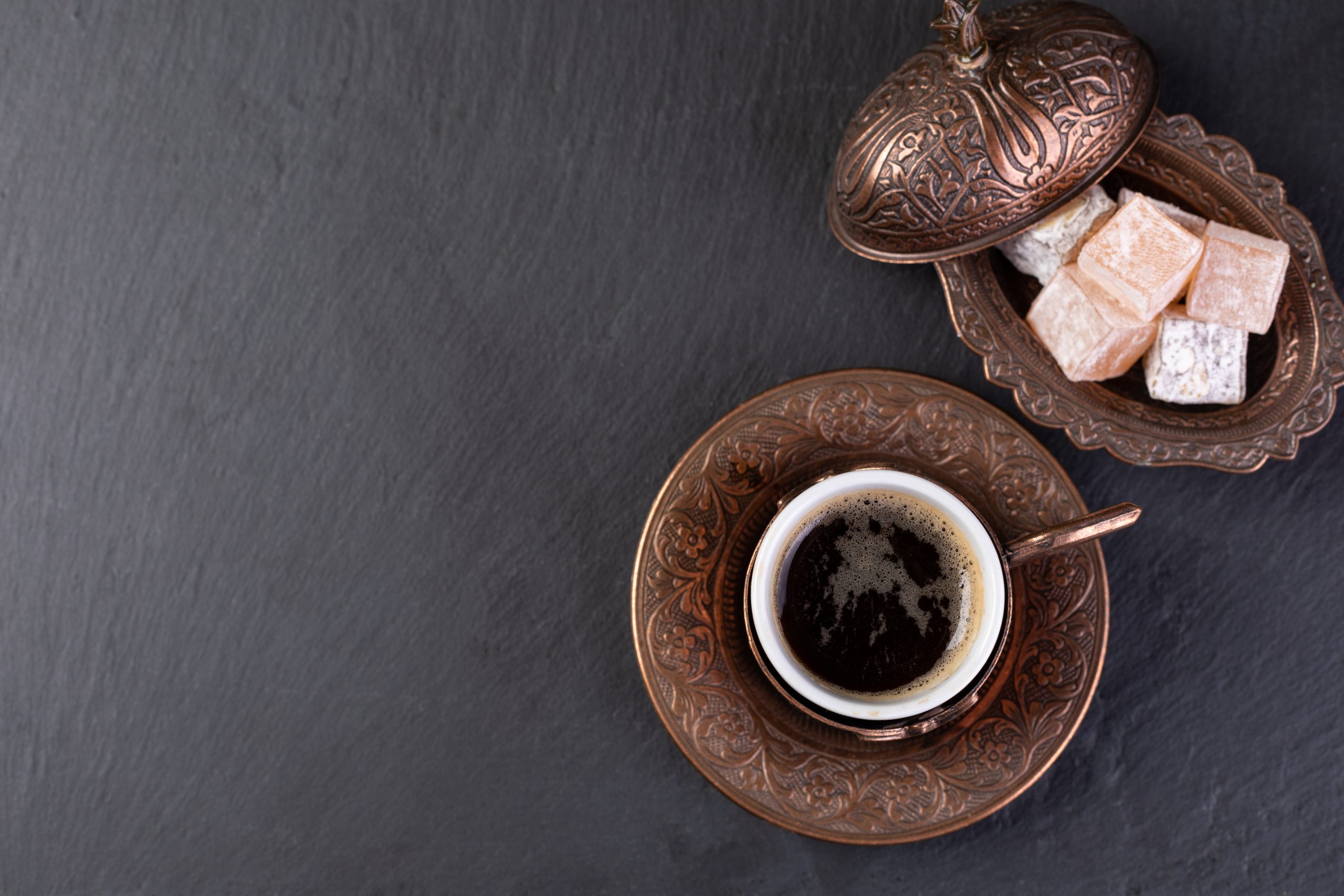
From Turkish coffee and Yemeni qishr to saffron lattes and date-infused cold brews, these cafés offer drinks that celebrate heritage while embracing innovation. Each cup tells a story that connects generations and geographies.
3. Why Supporting Muslim-Owned Coffee Shops Matters:
a. Empowering Local Entrepreneurs:
Every cup you buy from a Muslim-owned café directly supports small business owners who are working hard to make a difference. Many of them reinvest profits into community programs, youth mentorship, and global causes.
By supporting these cafés, you’re helping sustain small businesses that add diversity, innovation, and authenticity to your city’s coffee scene.
b. Encouraging Ethical Consumerism:
In an age of mass production and profit-first corporations, supporting small, ethically run cafés helps shift the focus back to mindful consumption. Muslim-owned coffee shops often source their beans directly from farmers, ensuring fair wages and sustainable farming practices.
When you choose to “sip with purpose,” you’re not just drinking coffee — you’re taking a stand for fair trade, ethical sourcing, and conscious business.
c. Strengthening Cultural Representation:
Representation matters. Muslim-owned businesses bring visibility to a community that’s often underrepresented in mainstream industries. Supporting them helps celebrate diversity and challenges stereotypes, proving that coffee culture can be both global and inclusive.
4. Muslim-Owned Coffee Shops Making an Impact:
Here are a few examples of Muslim-owned coffee brands and cafés that embody passion, purpose, and community:
1. Qahwah House (Dearborn, Michigan, USA):
A Yemeni-inspired coffeehouse that’s become a symbol of authenticity and culture. Qahwah House sources its beans from Yemen — the birthplace of the coffee trade — and serves traditional drinks like qishr and mofawar. It’s not just a café; it’s a cultural landmark that celebrates heritage through every cup.
2. Flat White Coffee Factory (London, UK):
Founded by Muslim entrepreneurs, this café blends contemporary British café culture with Middle Eastern hospitality. With halal pastries, ethically sourced coffee, and a stylish aesthetic, it’s become a favorite among both Muslim and non-Muslim coffee lovers.
3. 786 Degrees Coffee (Toronto, Canada):
Known for its inclusive atmosphere and creative menu, this Muslim-owned café serves specialty drinks with a purpose. They often collaborate with local Muslim artists, host charity fundraisers, and maintain halal standards across all their offerings.
4. %Arabica (Kuwait & Global):
While now a global brand, %Arabica’s roots trace back to the Middle East. Founded by a Kuwaiti entrepreneur, the chain is known for its minimalist design and specialty-grade coffee sourced directly from farmers. It’s a perfect blend of craftsmanship, culture, and contemporary design.
5. Chaiiwala (UK, Canada, UAE, USA):
Though tea-focused, Chaiiwala has become a major halal-friendly café franchise with a growing presence worldwide. They serve a mix of chai, coffee, and street-food-inspired snacks — bridging cultures and redefining the modern Muslim café experience.
5. How to Find Muslim-Owned Coffee Shops in Your City:
If you’re looking to explore and support Muslim-owned cafés, here’s how to get started:
Check social media: Platforms like Instagram and TikTok are full of recommendations under hashtags such as #HalalCoffee, #MuslimOwnedBusiness, or #HalalCafe.
Use local directories: Websites like Halal Eats, MuslimBizDirectory, or HalalTrip often list Muslim-owned cafés by city.
Ask your community: Local mosques, student groups, and halal food bloggers can be great resources for discovering hidden gems.
Attend halal food festivals: Many Muslim entrepreneurs showcase their coffee brands and cafés at halal expos and cultural festivals.
6. The Future of Muslim-Owned Coffee Culture:
The growth of Muslim-owned coffee shops isn’t just a trend — it’s a movement. As younger generations of Muslim entrepreneurs blend creativity with faith, we’re witnessing a new era of cafés that prioritize purpose over profit.
These spaces symbolize something powerful — that faith and modernity can coexist beautifully. They’re inclusive, inspiring, and proof that coffee can do more than energize you; it can bring people together, spark conversations, and uplift communities.