Sip Without Spirits: The Rise of Non-Alcoholic Beverages in Cafés?
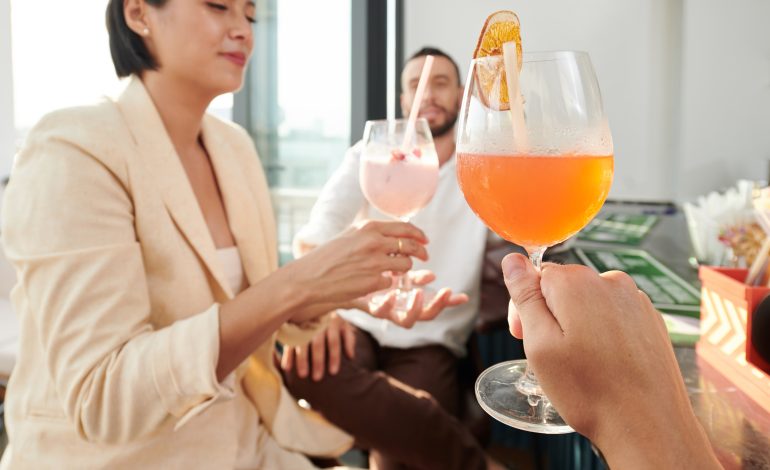

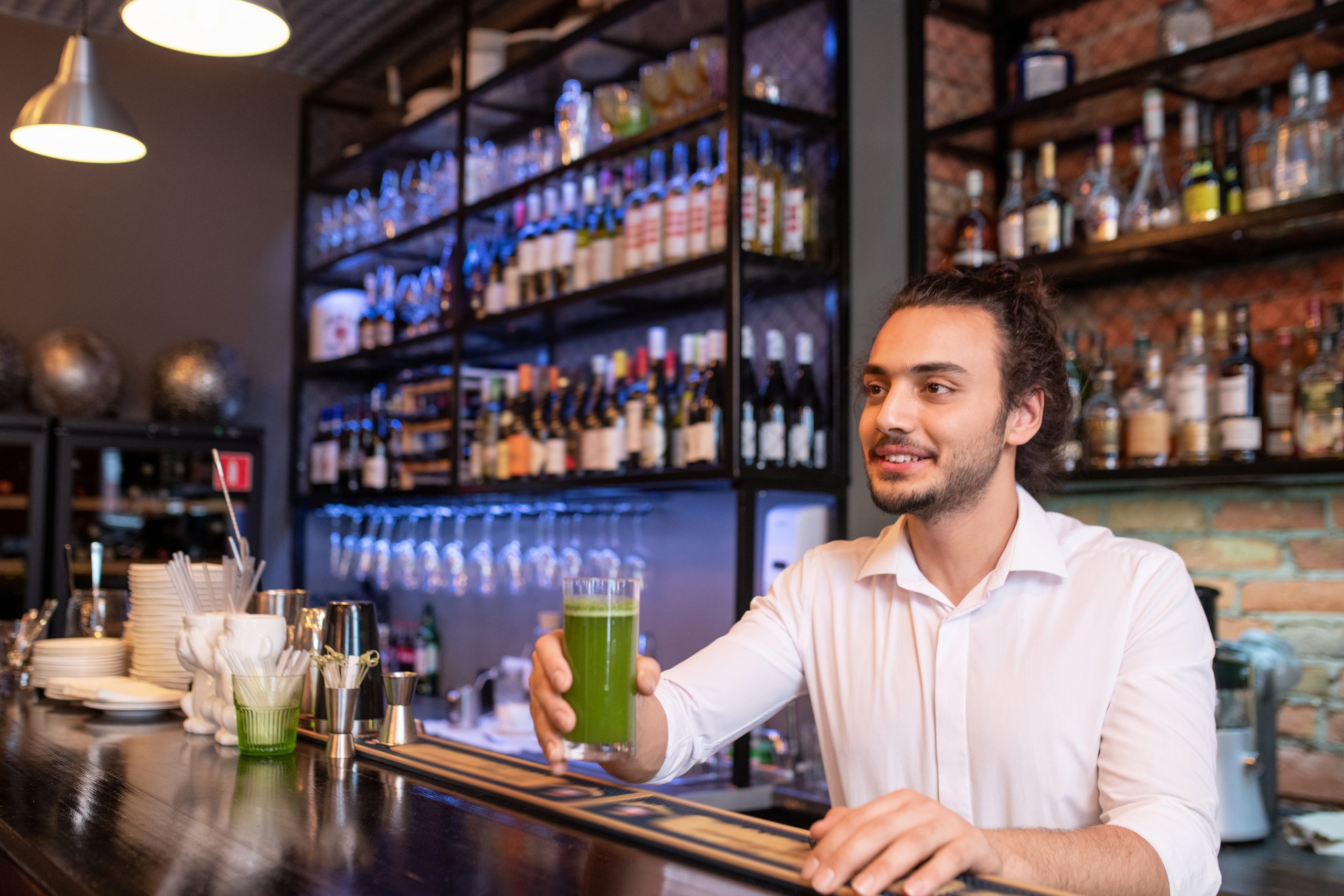
Coffee shops and cafés have always been more than just places to grab a quick drink—they are social hubs, creative spaces, and community sanctuaries. Traditionally focused on coffee, tea, and pastries, cafés are now expanding their menus to meet evolving customer demands. One of the most notable trends in recent years is the rise of non-alcoholic beverages—and not just sodas or juices, but creative, craft-inspired, alcohol-free alternatives that offer all the flavor with none of the buzz.
Welcome to the era of “sipping without spirits,” where mocktails, zero-proof botanicals, and Halal-friendly alternatives are redefining café culture for the better.
Why Are Non-Alcoholic Beverages Trending?
1. Health and Wellness Movement:
More people today are prioritizing mental clarity, gut health, and overall well-being—and that often includes limiting or avoiding alcohol. Whether it’s part of a detox plan, sober-curious lifestyle, or general health consciousness, customers are looking for drinks that align with their goals.
According to a 2024 Nielsen report, 58% of global consumers say they’re trying to reduce their alcohol intake, especially among millennials and Gen Z.
2. Faith-Conscious and Cultural Lifestyles:
For Muslims, observant Jews, Hindus, and others, abstaining from alcohol isn’t a temporary lifestyle—it’s a lifelong commitment. The global Halal market, for instance, is growing rapidly, and Muslim consumers increasingly expect cafes and restaurants to cater to their needs with non-alcoholic versions of popular drinks.
A Halal-certified café or one offering alcohol-free options gains access to a loyal and often underserved market.
3. The Rise of Sober Socializing:
There’s a growing movement of sober social spaces, especially in urban centers. Young people want to go out, connect, and enjoy delicious drinks—without the pressure to consume alcohol. Non-alcoholic café menus are filling this social void with fun, flavorful, and Instagram-worthy beverages.
What Counts as a Non-Alcoholic Beverage?
In café terms, it’s more than just soda or decaf coffee. Modern non-alcoholic menus often include:
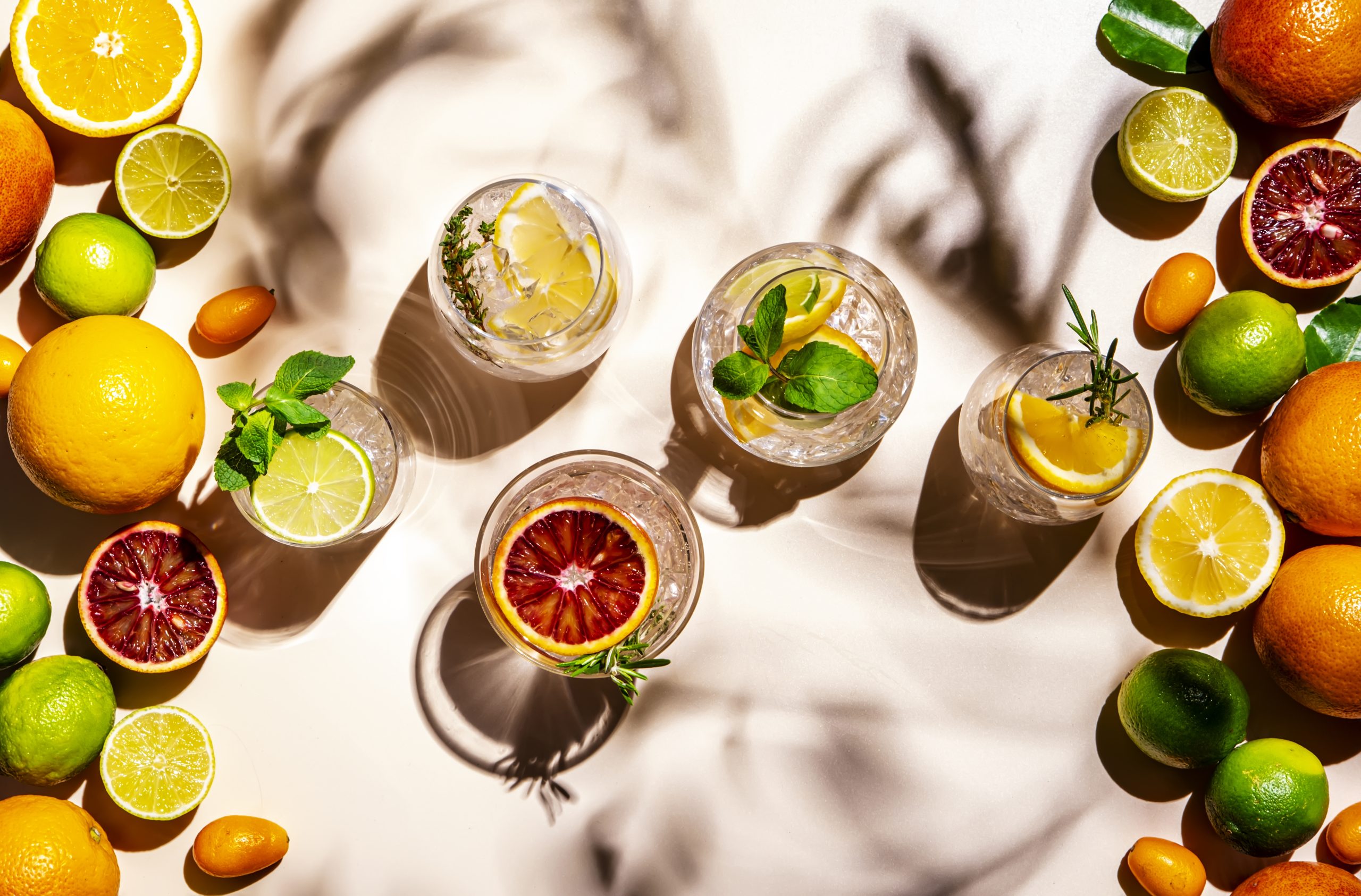
Mocktails (non-alcoholic cocktails).
Alcohol-free wine or beer alternatives (where culturally appropriate).
Halal mojitos and sangrias.
Botanical infusions and herbal tonics.
Zero-proof espresso martinis.
Fermented drinks like kombucha (check alcohol content).
Cold-brew and nitro coffees with fruit or spice pairings.
Alcohol-free flavor extracts and syrups.
The key factor? These beverages are intentional, crafted, and curated, offering the café experience without the alcohol or ambiguity.
Popular Non-Alcoholic Drinks on Café Menus:
Let’s take a look at some non-alcoholic hits cafés are embracing:
1. Citrus & Mint Mocktail:
Fresh lemon, muddled mint, soda water, and a touch of honey make this a refreshing afternoon sipper.
2. Espresso Mock-tini:
A shaken combo of cold brew, vanilla syrup, and oat milk served in a martini glass—no vodka required.
3. Sparkling Hibiscus Cooler:
Hibiscus tea with orange slices, soda water, and agave syrup—floral, tart, and completely alcohol-free.
4. Date & Rose Latte:
Espresso with steamed milk, blended dates, and a touch of rose water—perfect for the Halal-conscious customer.
5. Halal Mojito:
Crushed lime and mint, cane sugar, and sparkling water—served over ice for a tropical vibe without the rum.
These drinks aren’t just alcohol substitutes—they’re elevated experiences that complement a café’s aesthetic, brand, and clientele.
Why Your Café Should Offer Non-Alcoholic Alternatives
Broaden Your Customer Base:
By offering a menu that includes Halal-friendly, alcohol-free beverages, you instantly become more welcoming to:
Muslims and other faith-conscious consumers.
People in recovery or practicing sobriety.
Pregnant women or nursing mothers.
Athletes and wellness-focused individuals.
Designated drivers or those on medication.
Boost Profits with Premium Pricing:
Crafted non-alcoholic drinks can be priced similarly to cocktails or specialty lattes, especially when served in elegant glassware with garnishes. A $6 sparkling rose mocktail with edible flowers? Very sellable.
Enhance Brand Reputation:
Aligning your café with inclusive, health-conscious trends builds brand loyalty, especially among young, ethical consumers who care about transparency, values, and lifestyle alignment.
Stand Out From Competitors:
While most cafés serve coffee and tea, not many invest in a creative non-alcoholic menu. Being one of the few that do gives your café a niche and competitive edge.
Tips for Creating a Non-Alcoholic Menu:
1. Use Alcohol-Free Flavorings:
Avoid syrups or extracts that contain alcohol, especially vanilla extract or bitters. Look for Halal-certified or alcohol-free brands, or make your own simple syrups in-house.
2. Educate Your Staff:
Make sure your baristas understand which ingredients are alcohol-free, what makes a drink Halal, and how to speak confidently to customers who ask.
3. Make the Presentation Count:
Serve non-alcoholic drinks in fancy glasses, with garnishes, straws, and visual flair. Customers drink with their eyes first—especially in the age of Instagram.
4. Label Clearly:
Include icons or tags on your menu like:
Alcohol-Free.
Halal-Friendly.
Sober-Social.
This helps customers make confident, informed choices.
5. Rotate Seasonal Specials:
Offer seasonal mocktails using fresh ingredients—think cranberry orange spritzers in winter or cucumber rose coolers in spring. This keeps the menu fresh and exciting.
The Role of Halal Certification in Non-Alcoholic Offerings:
If your café is targeting a Muslim customer base, it’s important to go beyond just “non-alcoholic” and ensure your offerings are Halal-compliant. This includes:
Verifying flavorings don’t use ethanol as a solvent.
Ensuring cross-contamination doesn’t occur with alcohol-based ingredients.
Using Halal-certified dairy, gelatin, and other processed additives.
Being transparent and listing certifications when available.
Incorporating Halal-certified branding builds trust and gives your café credibility in the faith-conscious market.
Success Stories: Cafés Doing It Right:
Here are a few real-world examples of cafés embracing the non-alcoholic trend:
Elixir Café (Kuala Lumpur, Malaysia):
A Muslim-owned café serving mocktails like Lychee Rose Cooler and Date Espresso Lattes. Popular with locals and tourists alike for its alcohol-free yet luxurious vibe.
Sober & Co. (London, UK):
A dry café offering zero-proof drinks, vegan pastries, and a “sober social” night every Friday. Welcomes Muslims, wellness seekers, and sober-curious customers.
Bloom & Brew (Toronto, Canada):
Known for its floral, Halal-certified mocktails and latte art. Offers clear labeling and seasonal non-alcoholic specials that go viral on TikTok.
Final Thoughts: More Than a Trend—It’s a Movement:
The rise of non-alcoholic beverages in cafés is no longer a niche trend—it’s a cultural and consumer shift. Whether driven by health, faith, or lifestyle, today’s customers want more than just caffeine—they want conscious, inclusive, and enjoyable options that reflect their values.
By investing in non-alcoholic alternatives, cafés can create meaningful experiences that go beyond the drink itself. You’re not just offering a beverage—you’re offering belonging, respect, and a place for everyone at the table.
So go ahead—sip without spirits. The future of café culture is inclusive, intentional, and undeniably delicious.