
Small Coffee Shop, Big Impact: Space-Saving Design Inspirations for Compact Cafés:
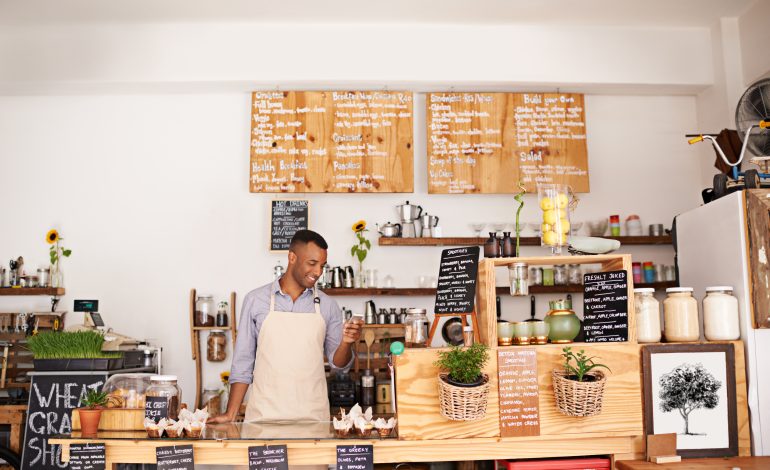

In today’s fast-paced urban world, where every square foot counts, small coffee shops are thriving by turning limitations into creativity. Compact doesn’t mean cramped—it means efficient, intentional, and inviting. A small café can still deliver big experiences if its design maximizes flow, functionality, and atmosphere.
From minimalist interiors to modular furniture, there are endless ways to make a small coffee shop feel spacious, stylish, and memorable. Whether you’re setting up a corner espresso bar or a cozy neighborhood nook, here’s how you can create a compact café that leaves a lasting impression.
1. The Power of Purposeful Design:
When designing a small coffee shop, every inch matters. Space-saving design starts with a clear purpose—understanding what kind of experience you want to offer.
Ask yourself:
Are you focusing on quick takeaways or cozy sit-ins?
Do you want a social, open layout or intimate corners?
Is your target audience students, commuters, or remote workers?
Once you’ve defined your goals, your layout and design choices will naturally follow. A well-planned design can make even the smallest café feel spacious and functional, while poor planning can make a large space feel cluttered.
Remember: small doesn’t mean less—it means focused.
2. Light, Color, and Illusion: Creating Visual Space:
The first rule of making a small café feel bigger? Play with light and color.
Natural light is your best friend. Large windows or skylights instantly open up the space and make it feel airy. If your café is tucked between buildings or lacks natural light, use smart artificial lighting—warm pendant lamps, under-counter LED strips, or wall sconces to eliminate dark corners.
Color psychology also helps:
Light colors like white, beige, soft gray, and cream reflect light, making walls recede visually.
Accent colors (like sage green, terracotta, or dusty blue) add personality without overwhelming the room.
Mirrors strategically placed opposite windows can double the perceived space.
Minimal clutter, clean lines, and cohesive tones visually expand even the smallest café footprint.
3. Smart Layouts: Designing for Flow and Function:
The key to a successful compact café is an efficient layout. You need to balance the workflow for your baristas with comfort for your guests.
Here are a few layout ideas that maximize both:
Linear layout: Perfect for narrow spaces; align the counter along one wall to create a natural flow for ordering and seating.
Corner layout: Utilize unused corners for coffee stations or display shelves.
Zoned design: Divide your café into micro zones—ordering, pickup, seating—using subtle visual cues like lighting or flooring changes.
Keep pathways clear, especially around the barista counter. A cramped counter can make both staff and customers feel uneasy, no matter how great the coffee is.
4. Multi-Functional Furniture: Double Duty Design:
When space is tight, furniture must work harder. Multi-functional pieces save square footage while adding convenience and style.
Design ideas to consider:
Foldable tables or wall-mounted drop-leaf counters that can be tucked away during off-peak hours.
Stackable stools or chairs for flexible seating.
Built-in benches with hidden storage for extra supplies.
Nesting tables that slide under each other when not in use.
Choose slim, lightweight furniture with clean silhouettes. Avoid bulky sofas or wide tables that eat up valuable space. The goal is to maintain an open flow while offering practical seating.
5. Vertical Space: Look Up to Free Up:
When you can’t expand outward, expand upward. Vertical design is one of the smartest ways to maximize small spaces.
Use your walls for:
Shelving: Display coffee beans, mugs, plants, or décor without taking up floor space.
Menu boards: Chalkboards or digital displays mounted high keep counters clear.
Hanging lights and plants: Add depth without crowding surfaces.
For example, floating wooden shelves above the espresso bar can hold coffee accessories or merchandise while enhancing visual height. Vertical gardens or wall art can also draw the eye upward, making your café feel larger than it is.
6. Compact Counters and Streamlined Equipment:
Your counter is the heartbeat of your coffee shop, but it doesn’t have to be bulky. Choose compact espresso machines, slim grinders, and under-counter refrigerators designed for small spaces.
Modular counters or bar systems allow flexibility in rearranging as your café evolves. Keep surfaces clutter-free—integrate built-in trash bins, hidden drawers, and cable management to maintain a polished look.
Efficiency and cleanliness always create the illusion of space, even in tight areas.
7. Clever Storage Solutions:
In a compact café, storage is strategy. Without it, your space quickly turns chaotic.
Here’s how to stay organized:
Install under-seat storage for extra napkins, cleaning supplies, or takeaway items.
Use rolling carts for portable prep or serving stations.
Incorporate overhead racks for hanging mugs, cups, or utensils.
Add hidden compartments beneath counters or benches to minimize clutter.
Remember: your customers shouldn’t see your storage—they should feel your organization. A well-organized café not only looks cleaner but also operates more efficiently.
8. Minimalist Design: Less Is More:
Minimalism is the soul of space-saving design. A small café thrives when it avoids visual noise.
Stick to a simple design philosophy:
Fewer furniture pieces, but of higher quality.
Streamlined décor that serves both aesthetic and functional purposes.
A unified color palette that visually declutters the environment.
Avoid heavy patterns or excessive wall art—one striking centerpiece (like a mural, neon sign, or feature wall) can make a stronger statement than cluttered decoration.
Minimalism isn’t about coldness—it’s about clarity. When done right, it creates calmness, balance, and focus.
9. Outdoor Extensions: Expanding Beyond the Walls:
If local regulations allow, outdoor seating can double your capacity without expanding your lease.
Think:
Foldable bistro tables for sidewalks.
Window bars for quick coffee stops.
Planters that serve as both décor and natural dividers.
Outdoor areas also attract passersby, giving your café visibility and charm. Add string lights or umbrellas for evening comfort and visual appeal. Even a single bench outside can make a big impact in foot traffic.
10. Design for Experience: Make Every Corner Count:
A small café can leave a big emotional impression when designed with heart. Every corner can become a photo-worthy moment or a cozy personal retreat.
Consider:
Accent corners with unique tiles, shelves, or wall textures.
Signature scent or playlist that defines your café vibe.
Instagram-friendly details like custom cups or a neon quote wall.
Even small cafés can create big brand identity through thoughtful design choices. People remember how a space made them feel—not how big it was.
11. Real-Life Examples of Compact Café Genius:
% Arabica (Kyoto, Japan): A minimalist layout with white interiors and geometric lighting that highlights precision and purity.
Honor Café (Paris, France): A micro café built inside a courtyard, combining sleek aluminum counters with glass transparency.
Toby’s Estate (New York): Smart use of vertical shelving and communal seating that makes a small space buzz with energy.
Each of these cafés proves that with intentional design, even 300 square feet can feel limitless.
12. The Final Pour: Designing Small, Dreaming Big:
Small coffee shops remind us that size doesn’t determine success—experience does.
By optimizing space, embracing minimalism, and focusing on atmosphere, you can transform a modest café into a memorable brand.
Great design isn’t about having more room—it’s about using what you have beautifully.
So dream big, design smart, and let every square foot tell your coffee story.