




Coffee has become much more than just a morning pick-me-up; for many, it’s a lifestyle, a ritual, and a source of comfort. Whether you’re a casual coffee drinker or a devoted aficionado, there’s no denying that the quality and experience of your coffee can shape your day. With the increasing number of coffee options available, one question often arises: Is specialty coffee worth the extra effort (and cost), or does commercial coffee do the job just fine?
In this blog, we’ll compare specialty and commercial coffee—looking at everything from quality and taste to accessibility and cost—so you can decide which brew is truly worth your sip.
What is Specialty Coffee?
Specialty coffee refers to the highest grade of coffee beans, and it’s crafted with care from start to finish. From the selection of beans to the brewing methods, specialty coffee shops focus on quality at every stage. Here’s what sets specialty coffee apart:
1. Sourcing and Quality:
Specialty coffee comes from beans that score above 80 points on a 100-point scale, according to the Specialty Coffee Association’s grading system. These beans are often single-origin, meaning they come from a specific region, farm, or even a single lot. The sourcing process ensures that the beans are grown under optimal conditions and harvested at the peak of their ripeness.
2. Artisanal Roasting and Brewing:
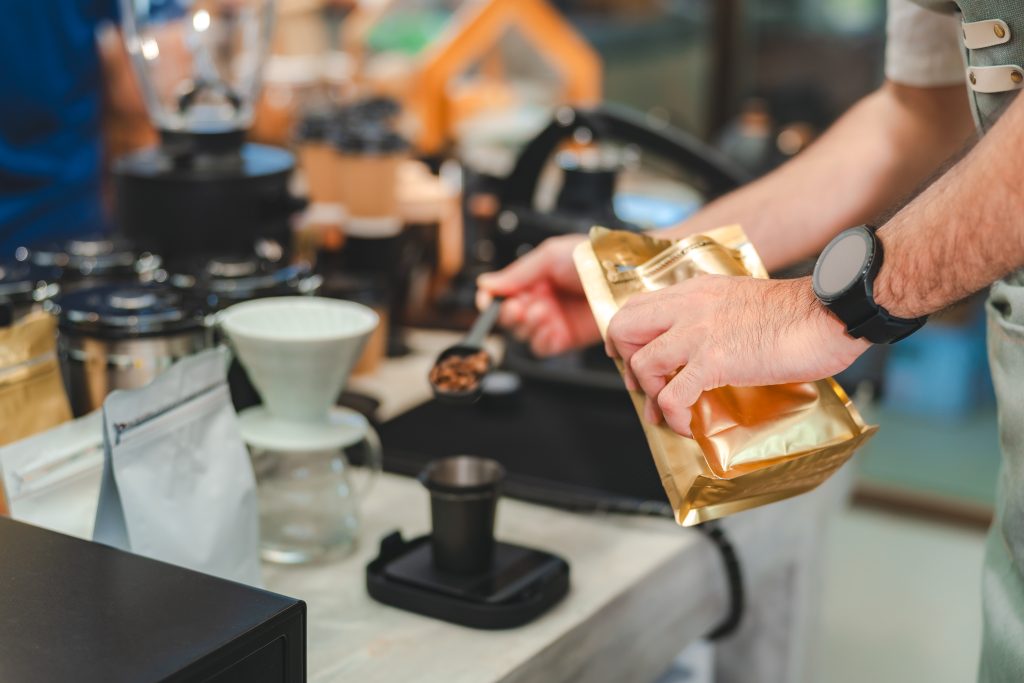
Specialty coffee shops often roast their beans in small batches to preserve their unique flavors. These shops focus on precision in every cup, using brewing methods like pour-over, Chemex, siphon brewing, and espresso to extract the best flavors from the beans. Baristas are trained to understand the nuances of temperature, grind size, water quality, and extraction time.
3. Unique and Varied Flavors:
Due to the variety of beans, origins, and methods used, specialty coffee often offers a more complex flavor profile than commercial coffee. From fruity and floral notes to chocolatey and nutty undertones, specialty coffee provides a diverse and exciting range of flavors for the discerning palate.
What is Commercial Coffee?
Commercial coffee typically refers to the mass-produced coffee that is sold by large coffee chains like Starbucks, Dunkin’, and Tim Hortons. These coffees are brewed quickly and often have a standardized taste across different locations. While the quality of commercial coffee might not be as high as specialty coffee, it offers a few significant benefits.
1. Mass Production and Accessibility:
Commercial coffee is produced in bulk, using beans that are sourced from various regions. These coffees are generally blended to achieve a consistent taste, which is ideal for large chains that need to maintain uniformity across multiple locations. While the beans may not be the highest grade, they are often roasted in large quantities to ensure consistency in flavor.
2. Convenience and Speed:
One of the major advantages of commercial coffee is its accessibility. With thousands of locations worldwide, commercial coffee chains are designed for convenience and speed. Whether you’re in a big city or a small town, you’re likely to find a Starbucks, Dunkin’, or Tim Hortons nearby. Drive-thrus and quick service make it easy to grab a coffee on the go, saving you time.
3. Consistency in Taste:
Another benefit of commercial coffee is its consistency. No matter which Starbucks you visit, you can expect your latte to taste exactly the same as the one you had last week. This reliability is a key reason why so many people stick with commercial chains—they know exactly what they’re going to get.
Comparing the Two: Which Brew Is Worth Your Sip?
Now that we’ve broken down what defines specialty and commercial coffee, let’s compare the two on key factors like flavor, quality, price, accessibility, and experience.
1. Quality and Flavor:
Specialty Coffee:
-
The quality of specialty coffee is top-notch, with beans carefully selected for their flavor profiles. You’ll find that the flavors in each cup are nuanced and complex, with distinct notes that can range from fruity and sweet to earthy and smoky. Specialty coffee offers an experience for the palate, with every sip delivering something new.
-
Because of the artisanal roasting and brewing methods, specialty coffee is often much fresher than commercial coffee, preserving the natural flavors of the beans. Whether it’s a light roast highlighting citrusy acidity or a dark roast rich with chocolate, specialty coffee offers a more dynamic range of flavors.
Commercial Coffee:
-
Commercial coffee is designed for mass appeal, which means it tends to have a more standardized, one-dimensional taste. The coffee is often darker and more uniform, which can make it less exciting for coffee connoisseurs. While some chains, like Starbucks, offer a wide range of flavored drinks (e.g., caramel lattes, pumpkin spice), the underlying coffee taste often lacks the complexity that specialty coffee provides.
-
The beans used in commercial coffee are typically a blend of lower-grade beans, which may not highlight the unique flavors of the origin.
Verdict: If you’re after depth of flavor and a memorable coffee experience, specialty coffee is the clear winner. Commercial coffee may satisfy if you’re looking for a reliable, simple coffee, but it doesn’t offer the same level of flavor complexity.
2. Price and Value:
Specialty Coffee:
-
Specialty coffee comes with a higher price tag due to the quality of the beans, the roasting process, and the craftsmanship involved in brewing. A cup of specialty coffee can cost anywhere from $3 to $7, depending on the location and drink.
-
While this may seem expensive, for those who are passionate about high-quality coffee, the experience justifies the cost. The price also reflects the ethical sourcing practices and the work that goes into producing a perfect cup.
Commercial Coffee:
-
Commercial coffee is more affordable, with prices ranging from $1 to $4 for a basic brewed coffee or espresso drink. The lower price is largely due to the mass production and less expensive beans used.
-
For regular coffee drinkers who aren’t concerned about the finer details of flavor, the affordability and consistency of commercial coffee make it an attractive choice.
Verdict: If you’re on a budget or need something quick and affordable, commercial coffee is more cost-effective. However, if you prioritize quality and are willing to invest in a better coffee experience, specialty coffee is worth the extra cost.
3. Accessibility and Convenience:
Specialty Coffee:
-
Specialty coffee shops are often small, independent businesses that can be harder to find, especially outside of major urban areas. In many cases, they might not offer drive-thru services, and the wait time can be longer due to the hands-on brewing methods.
-
While the coffee quality is exceptional, specialty coffee shops tend to have limited locations, which can make them less convenient for those seeking quick access.
Commercial Coffee:
-
Commercial chains like Starbucks, Dunkin’, and Tim Hortons have thousands of locations worldwide, making them incredibly convenient. Whether you’re at an airport, in a small town, or at a busy city center, there’s likely a chain nearby. Additionally, many of these chains have drive-thru services, allowing you to grab your coffee quickly without leaving your car.
-
The consistency and convenience of commercial coffee make it an easy choice for those on the go.
Verdict: For convenience, commercial coffee chains are unbeatable. If you’re in a rush or need quick access to coffee, commercial chains are the obvious choice. However, if you’re willing to take the time to find a great local specialty coffee shop, the experience is well worth it.
4. The Overall Coffee Experience:
Specialty Coffee:
-
Visiting a specialty coffee shop is an immersive experience. From the knowledgeable baristas who can talk you through the beans and brewing methods to the unique atmosphere of the café, everything about specialty coffee is about the experience. These shops often foster a sense of community, and for coffee enthusiasts, they offer an opportunity to learn and discover more about the coffee world.
Commercial Coffee:
-
The coffee experience at a commercial chain is often streamlined and impersonal. While the service is fast, it lacks the personalized touch and expertise that you’d find in a specialty shop. The focus is more on consistency, speed, and convenience than on creating a memorable experience.
Verdict: For a true coffee experience that goes beyond just drinking coffee, specialty coffee shops offer a more immersive and educational experience. If you’re just looking for a quick, no-frills coffee break, a commercial chain will suffice.