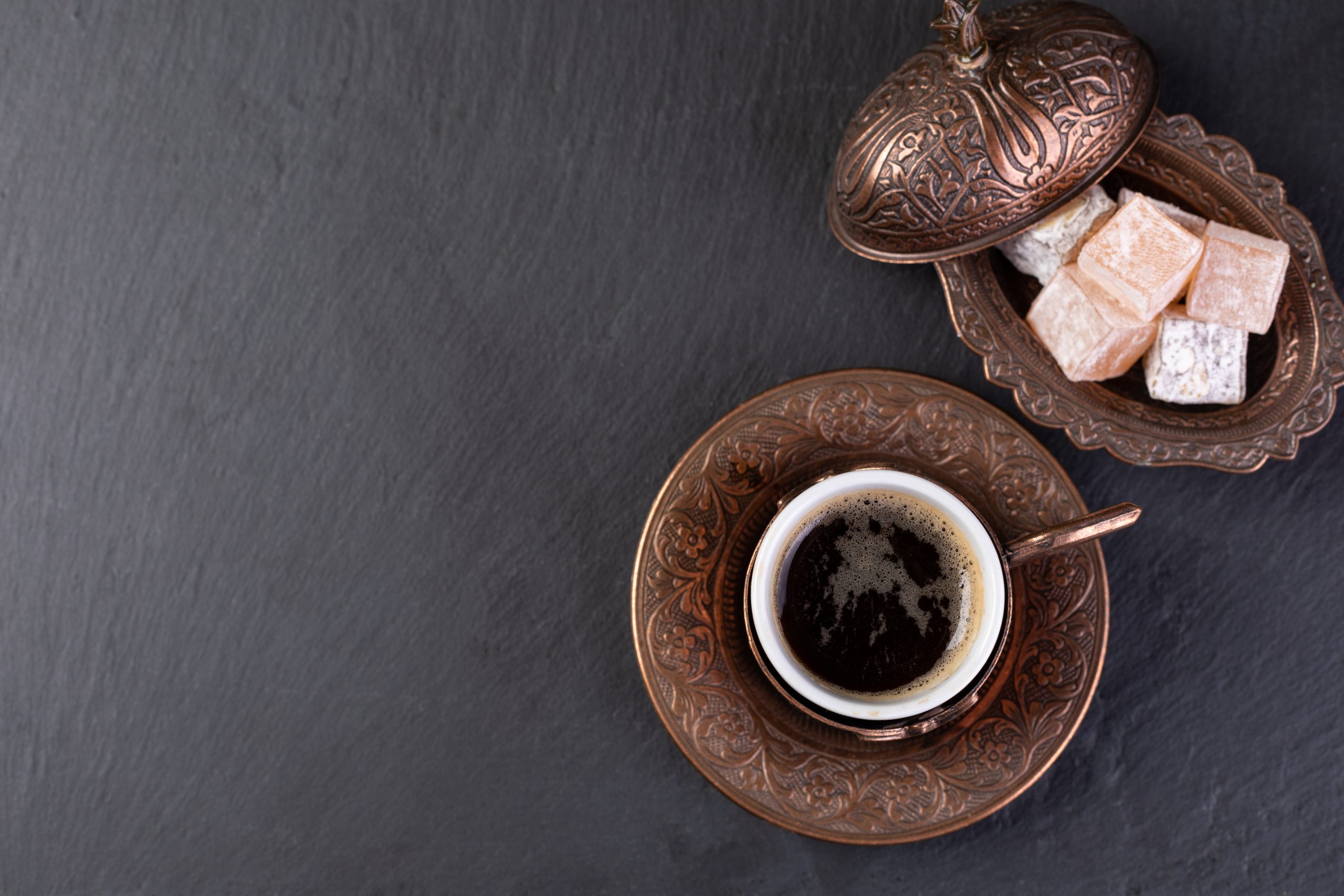
Sufi Roots of Coffee: The Spiritual Side of the World’s Favorite Drink:
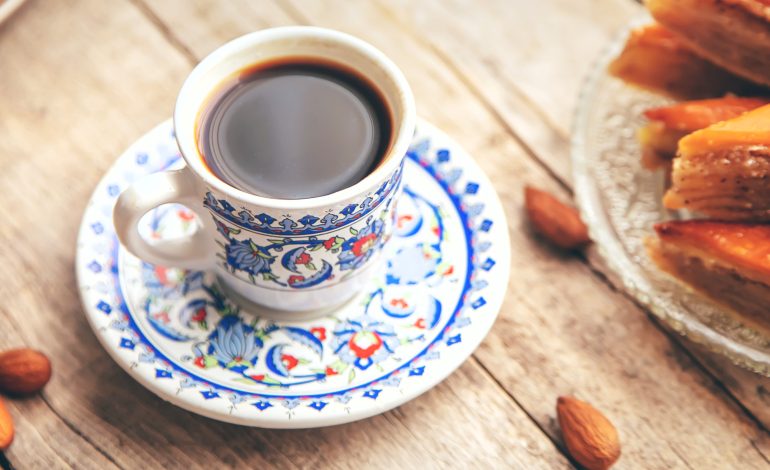

Today, coffee is a universal ritual — fueling offices, inspiring artists, and connecting friends in cafés across the globe. But few people know that coffee’s earliest drinkers weren’t business professionals or baristas — they were Sufi mystics, using the beverage not to wake up for work, but to stay awake for worship.
Before the espresso machines, before the coffeehouses of Europe, there was the dhikr circle — where Sufi devotees sipped qahwa to enhance focus and devotion during long nights of remembrance of God.
This is the story of how coffee, the world’s favorite drink, was born from a pursuit of spiritual wakefulness — and how its Sufi roots continue to shape its symbolism even today.
1. The Birthplace of Coffee: Yemen’s Mystical Highlands:
The earliest credible history of coffee begins in 15th-century Yemen, particularly in the Sufi monasteries (zawiyas) of the region.
Yemen was not just a coffee-growing land — it was a center of Islamic spirituality. Sufi orders flourished there, dedicated to meditation, poetry, and divine remembrance (dhikr).
It is said that Sufi saints, particularly in Al-Mukha (Mocha), discovered that roasted coffee beans brewed in water produced an energizing drink that helped them remain alert during their midnight vigils and prayers. They called it qahwa — a term meaning “that which removes drowsiness.”
Far from a stimulant for the body alone, qahwa was seen as nourishment for the soul — a means to sustain spiritual focus and awareness of the Divine.
2. Coffee as a Spiritual Companion:
For the Sufis, coffee was more than caffeine; it was a spiritual catalyst. It sharpened the senses, stilled the mind, and sustained their devotion.
During dhikr gatherings — where participants repeated divine names and praises rhythmically — coffee became part of the ceremony. It symbolized wakefulness of the heart, helping practitioners resist the sleep of heedlessness (ghaflah) and stay present with God (Allah).
In many ways, coffee was an early form of sacred mindfulness — each sip serving as a reminder of presence and intention.
As one Sufi saying goes:
“The purpose of qahwa is not to awaken the body, but to awaken the soul.”
3. The Spread from Yemen to Mecca, Cairo, and Istanbul:
From the quiet zawiyas of Yemen, the practice of drinking coffee spread along trade and pilgrimage routes. Sufi travelers carried their beans and their devotion wherever they went.
Mecca and Medina: Coffee found its way into the holy cities, becoming popular among scholars and pilgrims. Sufi lodges offered qahwa to travelers, blending hospitality with spirituality.
Cairo: In Egypt, coffeehouses (qahveh khaneh) became centers of Sufi culture, attracting poets, scholars, and merchants alike.
Istanbul: The Ottomans embraced coffee with enthusiasm, transforming it into both an art and a symbol of refinement.
By the 16th century, coffee had become so beloved that it was referred to as the “milk of dervishes” — fueling both spiritual gatherings and intellectual debates across the Muslim world.
4. Controversy and Acceptance: The Debate Around Qahwa:
When coffee first appeared, it stirred both excitement and controversy. Some conservative scholars questioned whether it was permissible (halal), fearing that its stimulating effects might resemble intoxication.
But many Sufi leaders and jurists defended coffee passionately, arguing that it was a means of worship, not indulgence. Unlike wine, which dulled the senses, coffee sharpened them — helping one remember, not forget, God.
In 1511, coffee was briefly banned in Mecca, but the ban was quickly overturned after scholars and physicians testified to its benefits. Soon after, coffee spread freely throughout the Muslim world, becoming a staple of social and spiritual life.
5. Coffee and the Sufi Ethos of Balance:
In Sufism, balance (mizan) is a key spiritual principle — harmony between body and soul, matter and spirit. Coffee embodied this beautifully.
It provided the physical energy needed for worship while reminding drinkers of moderation and mindfulness.
Sufi masters often taught their students to treat coffee not as an indulgence, but as a sacred trust — something to be consumed with gratitude and intention.
Before drinking, some would recite a bismillah (in the name of God), acknowledging the Creator who provides the strength to worship. The act of drinking coffee became a miniature ritual — a pause of consciousness in a busy world.
6. The Symbolism of the Cup: Inner and Outer Meanings:
For the Sufis, every element of coffee held symbolic meaning:
The cup (finjan) represented the human heart.
The coffee symbolized divine knowledge filling that heart.
The heat stood for spiritual intensity — the fire of love (ishq).
The aroma was the fragrance of faith spreading in the world.
Drinking coffee was thus a metaphor for inner transformation — taking in wisdom, burning away heedlessness, and sharing sweetness with others.
This poetic way of seeing coffee reflected the Sufi worldview: every act, however ordinary, could become a doorway to the Divine.
7. Qahveh Khaneh: The Coffeehouse as a Spiritual Hub:
As coffee culture spread through the Muslim world, coffeehouses became extensions of Sufi gatherings. In Damascus, Cairo, and Istanbul, these spaces echoed with conversation, recitation, and music.
They were called “Schools of the Wise” because scholars, poets, and dervishes met there to share ideas.
Unlike modern cafés focused on business or entertainment, these early coffeehouses were spaces of reflection — where theology, philosophy, and spirituality brewed alongside the coffee.
In essence, they were the first “third places” — not home, not mosque, but sacred social spaces where minds met and hearts awakened.
8. Coffee and the Ethic of Hospitality:
Coffee also became deeply tied to the Islamic virtue of hospitality (karam). Serving coffee to a guest was seen as a gesture of respect and generosity — a reflection of the Prophet Muhammad ﷺ’s teaching:
“Whoever believes in Allah and the Last Day, let him honor his guest.” (Bukhari & Muslim)
Across Arab, Turkish, and Persian cultures, offering coffee remains a ritual of welcome. Whether served with dates in Arabia or with sweets in Istanbul, it carries echoes of the Sufi ethos — service, humility, and love for humanity.
9. The Spiritual Legacy in Modern Times:
Fast forward to today, and coffee has become a global industry — with baristas, branding, and billions in sales. Yet its spiritual roots still whisper beneath the surface.
In recent years, Muslim-owned cafés around the world — from Qahwa House in the U.S. to Kopi Darussalam in Indonesia — are intentionally reconnecting coffee with its Sufi origins. They host open-mic nights, Quranic reflections, and community iftars, reviving coffee’s original purpose: connection through consciousness.
Even beyond religious spaces, the coffee ritual still carries traces of its sacred past. When we pause to sip, reflect, and share conversation, we’re participating — knowingly or not — in an ancient Sufi tradition of mindfulness and presence.
10. A Cup of Reflection: What Coffee Still Teaches Us:
The Sufi roots of coffee remind us that ordinary acts can hold extraordinary meaning. Coffee began as a tool of worship — a way to stay awake for love of God — and even today, it invites us to wake up in more ways than one.
Each cup offers a lesson in presence:
To slow down, to taste deeply, to remember.
So the next time you drink your morning coffee, pause before the first sip. Feel its warmth, breathe in its aroma, and whisper gratitude for the centuries of devotion and discovery that made it possible.
Because behind every latte and espresso shot is a lineage of seekers — men and women who found in coffee not just energy, but enlightenment.