The Halal Coffee Revolution: Meet the Entrepreneurs Behind Fast-Growing Brands:
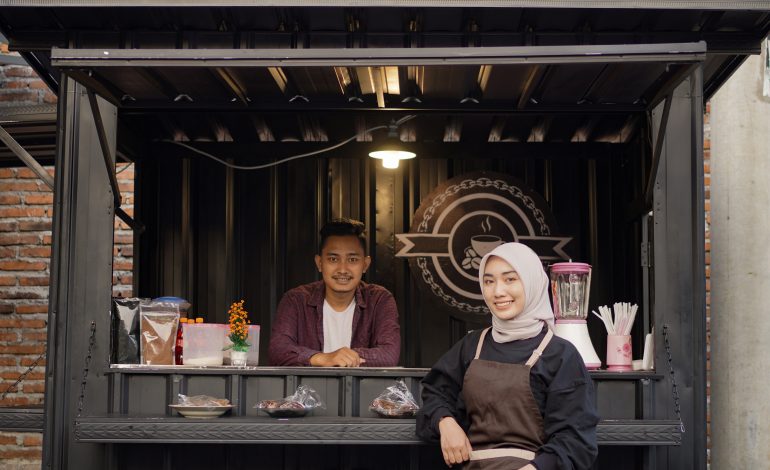

Coffee is more than just a beverage — it’s a bridge between cultures, a symbol of connection, and for many Muslims today, a statement of values. In recent years, a new wave of entrepreneurs has taken the global coffee scene by storm, leading what can only be called the Halal Coffee Revolution.
These innovators are brewing more than caffeine; they’re crafting a new narrative — one where faith, fairness, and flavor blend seamlessly. Their mission is clear: to create coffee experiences rooted in Islamic ethics, sustainable sourcing, and community empowerment.
Let’s meet the pioneers behind some of the fastest-growing Halal coffee brands redefining the way the world drinks, thinks, and connects — one mindful cup at a time.
1. The Halal Coffee Movement: From Niche to Global Trend:
Just a decade ago, Halal coffee was a niche concept. Today, it’s an industry in full bloom, driven by young Muslim entrepreneurs and conscious consumers worldwide.
The Halal coffee revolution represents more than the exclusion of alcohol or pork derivatives — it’s about:
Transparency in sourcing and production.
Ethical labor and fair trade partnerships.
Spiritual mindfulness, treating coffee as a blessing (rizq).
Community engagement and charitable giving.
“Halal coffee isn’t just about compliance,” says Ahmad Yusuf, founder of Qahwa & Co. in Dubai. “It’s about compassion — for the farmers, the environment, and the people who drink it.”
These entrepreneurs are turning coffee into a vessel for purpose and principle — and their stories are as rich as the blends they brew.
2. Aisha Rahman – Founder of Brew & Barakah (Malaysia):
Tagline: Coffee with a Conscience.
At the heart of Kuala Lumpur’s bustling café culture, Aisha Rahman’s Brew & Barakah stands out for its pure ethics and soulful message. Every batch is roasted in small quantities, using beans from Halal-certified farms across Indonesia and Ethiopia.
What makes her brand unique is her approach to faith-driven entrepreneurship. Aisha integrates Islamic principles into every business decision — from profit distribution (which includes zakat contributions) to eco-friendly packaging and staff welfare.
“I started Brew & Barakah because I wanted to serve more than coffee,” Aisha explains. “I wanted to serve barakah — blessings that come from honest work.”
Her brand has become a beacon of ethical business in Southeast Asia, inspiring young Muslim women to pursue entrepreneurship without compromising their values.
3. Bilal & Farah Ali – Co-founders of Grounded in Deen (Chicago, USA):
Tagline: Faith. Flavor. Fairness.
Chicago’s Grounded in Deen started as a small family project and has grown into one of America’s most recognized Muslim-owned coffee brands. Bilal and Farah, a husband-and-wife duo, saw a gap in the market for coffee that aligned with Islamic ethics but also appealed to a wider audience.
Their vision was simple: to build a business rooted in Deen (faith) while delivering exceptional flavor. Their bestsellers — Sabr Espresso and Tawakkul Hazelnut Roast — are now staples among Muslim coffee lovers across North America.
Beyond business, Grounded in Deen runs community programs supporting refugees, youth mentorship, and local mosques.
“We don’t just sell coffee,” says Bilal. “We sell connection. Every cup should uplift someone — whether it’s a farmer or a customer.”
Their model of ethical entrepreneurship proves that Halal can be mainstream, modern, and meaningful all at once.
4. Ahmed Al-Rashid – Founder of Qahwa & Co. (Dubai, UAE):
Tagline: Modern Arabic Coffee, Rooted in Tradition.
Dubai’s Qahwa & Co. is a testament to how ancient culture can meet modern innovation. Founder Ahmed Al-Rashid launched the brand to revive traditional Arabic coffee — infused with cardamom, saffron, and date syrup — but adapted it for a global audience.
His cafés are alcohol-free spaces designed for families and professionals seeking serenity and style. Each location features minimalist interiors, Arabic calligraphy, and a scent of freshly ground beans that instantly calms the senses.
“We wanted to bring back the essence of qahwa — hospitality, gratitude, and generosity,” says Ahmed.
Qahwa & Co. has since expanded across the Gulf, with plans to open outlets in London and Istanbul, proving that Halal coffee can travel the world without losing its roots.
5. Layla Hassan – Founder of The Faithful Bean (London, UK):
Tagline: Authenticity in Every Sip.
In London’s competitive café scene, The Faithful Bean has carved a distinct identity. Founded by social entrepreneur Layla Hassan, the brand is fully Halal-certified by the Halal Food Authority (HFA) and known for its inclusive, modest environment.
Layla’s mission was to create a café where Muslims could gather without discomfort — no alcohol, no immodest décor, no loud nightlife vibe. Instead, customers enjoy tranquil music, Qur’anic art, and community storytelling nights over lattes and pistachio cake.
“Faith shouldn’t limit our creativity,” says Layla. “It should elevate it.”
Her café’s popularity with both Muslims and non-Muslims shows that inclusivity and authenticity can coexist beautifully. The Faithful Bean has become a model for faith-inspired business across Europe.
6. Omar Khan – Founder of Deen Coffee Roasters (Toronto, Canada):
Tagline: Roasted with Purpose.
For Toronto-based entrepreneur Omar Khan, coffee is an instrument of education. His brand, Deen Coffee Roasters, doesn’t just sell beans — it tells stories. Each blend is named after Islamic virtues or historical figures, such as Ikhlas Blend (Sincerity) and Cordoba Roast (inspired by Muslim Spain’s intellectual legacy).
“We want people to drink and think,” Omar says. “To see Islam not just as faith, but as culture, science, and art.”
Beyond marketing creativity, Omar ensures complete Halal compliance — from sourcing to flavoring — and donates part of his revenue to local youth scholarship programs.
Deen Coffee Roasters embodies what the next generation of Muslim businesses looks like: proud, principled, and progressive.
7. The Common Grounds: What Unites These Entrepreneurs:
While their brands differ in geography and style, these entrepreneurs share a powerful foundation — faith-driven values and a vision for impact.
| Core Principle | How It’s Practiced |
|---|---|
| Halal Integrity | Alcohol-free products, certified sourcing, and clean production. |
| Ethical Trade | Fair wages for farmers and transparency in supply chains. |
| Community Building | Charity events, local employment, and education programs. |
| Sustainability | Eco-friendly packaging and reduced waste initiatives. |
| Spiritual Connection | Reminding consumers that coffee is both a ritual and a reflection of gratitude. |
These shared values turn coffee from a commodity into a cause — one that connects people through ethics as much as through aroma.
8. The Economic and Cultural Impact of Halal Coffee:
The Halal coffee revolution is not just a moral success; it’s an economic one. Muslim consumer spending on Halal beverages is expected to reach $400 billion by 2030, with coffee leading the charge.
As Halal cafés and roasteries expand worldwide, they’re creating jobs, empowering women, and elevating the image of Muslim entrepreneurship globally.
Culturally, Halal coffee brands are challenging stereotypes — showing that Islam and innovation go hand in hand. They’re proving that you can build profitable, modern, and globally loved brands without compromising spiritual values.
9. Beyond Borders: Halal Coffee Goes Global:
From Jakarta to Johannesburg, Halal coffee chains are gaining international traction. With online subscription boxes, social media marketing, and global shipping, these entrepreneurs are reaching customers who crave both authenticity and ethics.
Expect to see collaborations between Halal roasters and mainstream retailers, AI-powered coffee traceability, and even blockchain-based Halal certification systems in the near future.
The next phase of this revolution is digital — connecting faith-based brands to global audiences with transparency and technology.
10. Conclusion: Brewing Faith, Fairness, and the Future:
The Halal coffee revolution is more than a business trend — it’s a movement built on belief. It reflects a generation of Muslim entrepreneurs who see faith not as a boundary, but as a blueprint for better business.
From Malaysia to Canada, these pioneers are proving that Halal isn’t restrictive — it’s restorative. It restores trust, community, and balance in an industry often criticized for exploitation and waste.
“Halal coffee reminds us that doing business with faith isn’t about selling religion,” says Layla from The Faithful Bean. “It’s about serving humanity — one ethical cup at a time.”
So the next time you take a sip of your morning brew, remember: behind that perfect aroma might be an entrepreneur who’s changing the world — quietly, ethically, and faithfully.
Because in this new coffee era, belief is the secret ingredient — and it’s transforming every bean into a story worth sharing.