The Origins of Coffee in the Islamic World: From Yemen to the Modern Café:

Coffee — the world’s most beloved beverage — traces its roots not to hip modern cafés or Italian espresso bars, but to the spiritual heartlands of the Islamic world. Long before coffee became a symbol of productivity and pop culture, it was a companion of devotion, contemplation, and conversation among Muslim scholars, merchants, and mystics.
From the Sufi monasteries of Yemen to the cosmopolitan streets of Istanbul and Cairo, coffee’s journey reflects the cultural brilliance and spiritual depth of Islamic civilization. Let’s explore how this humble bean transformed from a sacred brew to a global phenomenon.
1. The Birthplace of Coffee: Yemen’s Sacred Brew:
While coffee’s wild origins trace back to the highlands of Ethiopia, its first cultivation and cultural development took root in Yemen during the 15th century.
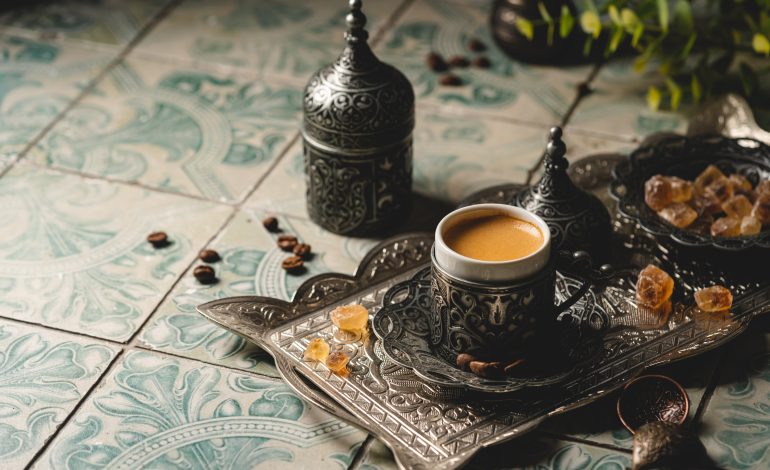
Yemeni Sufi mystics discovered that roasted and brewed coffee beans produced an energizing drink — one that helped them stay awake during long nights of dhikr (spiritual remembrance) and meditation. They called it qahwa, meaning “that which removes drowsiness.”
Yemen’s port city of Al-Mukha (Mocha) soon became the epicenter of the global coffee trade, lending its name to the beloved mocha we know today. From there, coffee spread across the Red Sea and beyond — carried by pilgrims, scholars, and traders who saw it not merely as a beverage, but as a spiritual aid.
2. The Sufi Connection: Coffee as a Path to Wakefulness:
In early Islamic spirituality, particularly among the Sufis, wakefulness (yaqzah) was both a physical and spiritual goal. Staying alert in prayer, reflection, and remembrance was a sign of devotion and discipline.
Coffee became a symbol of this spiritual wakefulness. During gatherings of remembrance (hadrah), Sufi orders in Yemen, Mecca, and Cairo would pass cups of qahwa as they chanted the names of God and recited poetry.
For them, coffee wasn’t about caffeine — it was about presence. The drink helped quiet distractions, focus the mind, and sustain energy for worship. It was, in essence, a spiritual technology — a tool for cultivating awareness of the Divine.
As Sufi orders expanded across the Islamic world, they carried their coffee rituals with them — blending worship, conversation, and hospitality into one powerful cultural tradition.
3. Coffee Spreads to Mecca and Cairo:
By the early 16th century, coffee had reached Mecca and Medina, where it quickly gained popularity among scholars, merchants, and pilgrims. Coffeehouses began to appear near the holy sites, serving as places for relaxation and discussion after prayer.
From there, coffee traveled north to Cairo, where it found fertile ground among students of Al-Azhar University. Cairo’s early coffeehouses were buzzing with intellectual energy — filled with scholars debating theology, poets reciting verses, and merchants discussing trade.
These spaces became known as “schools of wisdom”, where coffee fueled both the mind and the soul.
However, coffee’s rapid spread wasn’t without controversy. Some conservative scholars initially viewed it with suspicion, fearing its stimulating effects might resemble intoxication. Yet, defenders — including physicians and jurists — clarified that coffee sharpened the senses rather than dulling them, leading to its acceptance across the Muslim world.
4. The Ottoman Coffeehouse Revolution:
When coffee reached Istanbul in the mid-1500s, it transformed into a full-fledged cultural institution. The Ottomans elevated coffee-making to an art form — roasting, grinding, and brewing with meticulous care.
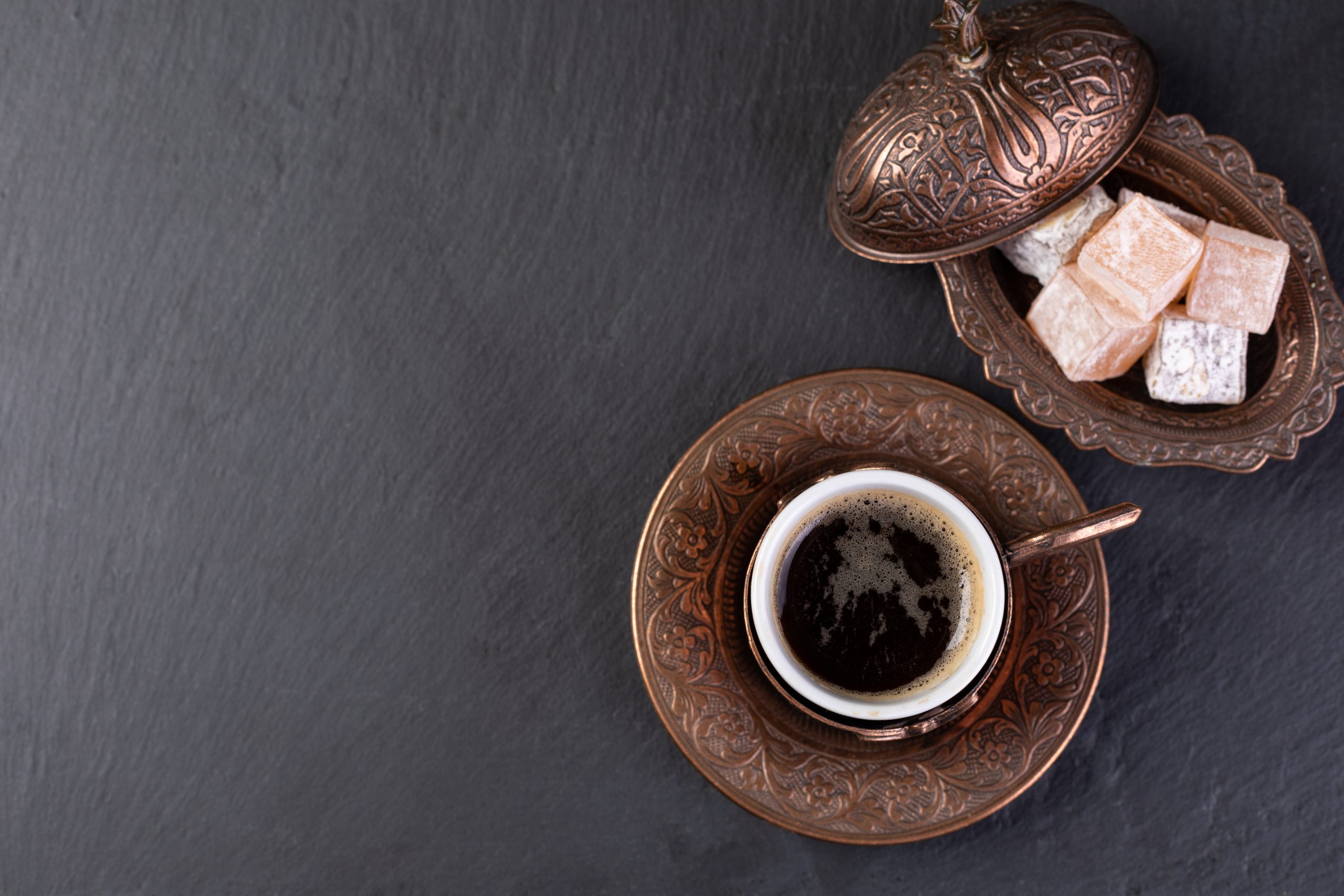
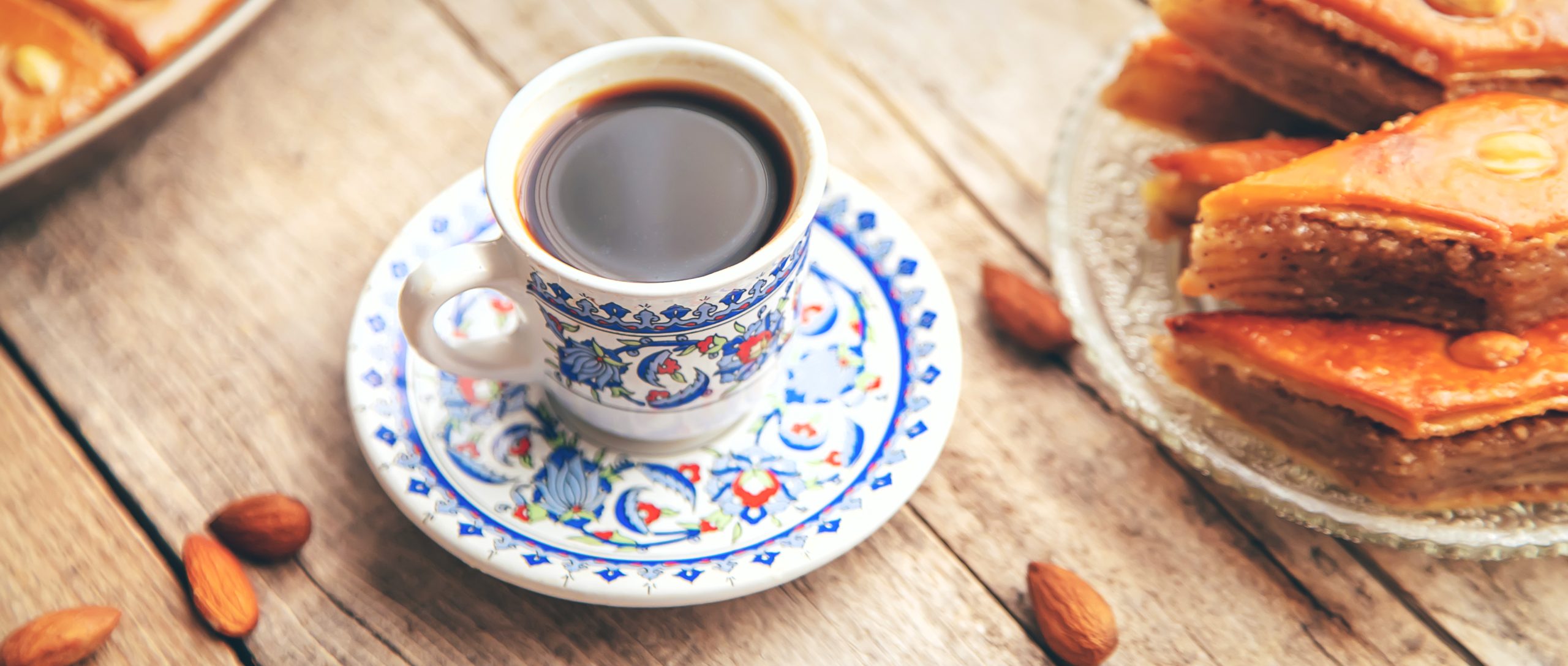
The first coffeehouses in Istanbul, called kahvehane, became vibrant social hubs where people of all backgrounds gathered. Politicians, poets, merchants, and mystics would spend hours conversing over cups of thick, unfiltered Turkish coffee served in elegant porcelain cups.
Ottoman coffeehouses were more than leisure spots — they were platforms of public discourse, creativity, and community. Plays, poetry readings, and debates flourished there.
Despite occasional bans (as rulers feared these cafés could fuel dissent), coffeehouses persisted — proving indispensable to Ottoman life and identity.
Even the ritual of coffee serving in homes became an art of etiquette and symbolism — the host’s way of showing respect and generosity, and the guest’s way of expressing trust and friendship.
5. The Global Expansion: From Mocha to Venice:
As trade routes flourished, Yemeni and Ottoman merchants carried coffee beyond the Islamic world. By the 17th century, Venetian traders introduced it to Europe, where it was initially sold as “the Arab drink.”
European travelers marveled at the sophistication of Muslim coffee culture — from ornate brewing pots to the social harmony of coffeehouses. Inspired by what they saw in Istanbul and Cairo, Europeans opened their own cafés, which became the meeting places of philosophers, artists, and revolutionaries.
Ironically, Europe’s famous “Age of Enlightenment” cafés were modeled after the very coffeehouses of the Muslim world that had once nurtured Sufi scholars and poets centuries earlier.
6. Coffee and Islamic Ethics: Trade, Fairness, and Barakah:
Beyond its spiritual and social impact, coffee in the Islamic world was also tied to ethical trade and stewardship. Early Muslim merchants viewed coffee as a blessed commodity (barakah) — a sustenance that should be cultivated, traded, and consumed with fairness.
Yemeni farmers developed early systems of sustainable cultivation, preserving soil quality and fair labor practices long before modern ethical trade movements. The idea was simple: what nourishes the body must also nourish the soul — and exploitation would strip that blessing away.
This spirit of integrity still echoes in modern Muslim cafés that emphasize fair-trade, halal-certified sourcing, and community reinvestment — blending faith with fairness in every cup.
7. The Modern Café: Revival of Tradition:
In the 21st century, Muslim-owned cafés across the world are reviving the deeper meanings of coffee culture. From Qahwa House in Dearborn to Kopi Darussalam in Indonesia, a new generation of entrepreneurs is reclaiming coffee’s spiritual and cultural heritage.
These cafés often combine traditional brewing methods with modern aesthetics, serving everything from Arabic qahwa and Turkish coffee to espresso and cold brew — all while maintaining an atmosphere of inclusion, reflection, and faith.
They also function as community spaces — hosting book readings, Quranic discussions, and charity events. In doing so, they echo the old qahveh khaneh spirit — where faith, art, and conversation meet over a shared table.
8. The Enduring Symbolism of Coffee in Muslim Life:
Coffee has never been just a drink in Muslim societies. It has always carried deeper symbolism:
Wakefulness, both physical and spiritual.
Hospitality, as a sign of respect and generosity.
Unity, as a shared experience that transcends class, culture, and geography.
Whether served after prayer, during a family visit, or at a wedding, coffee remains a ritual of connection — a small act that sustains relationships and reflects gratitude for life’s simple blessings.
☕9. From Yemen to the World: A Legacy Still Brewing:
From the Sufi saints of Yemen to the coffeehouses of Istanbul and the modern cafés of Kuala Lumpur or London, coffee’s Islamic origins continue to shape global culture.
Every sip carries a story — of devotion, discovery, and dialogue. What began as a spiritual tool became a universal symbol of connection, creativity, and conversation.
In a world often divided, coffee still does what it always has: bring people together — one cup at a time.