The Rise of Halal Coffee Festivals: Where Faith Meets Flavor:
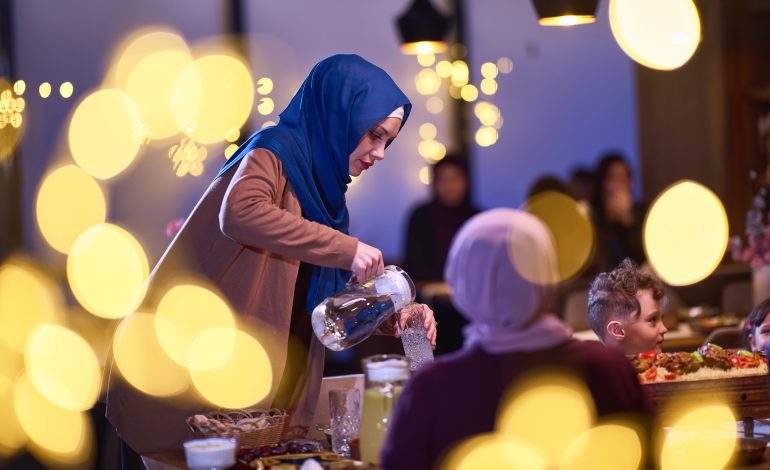

In recent years, the coffee culture has evolved from a casual café experience to a global celebration of community, creativity, and culture. Among the many emerging trends, Halal Coffee Festivals are carving out a unique space where faith and flavor blend harmoniously. These events bring together Muslim and non-Muslim coffee lovers alike to celebrate ethically sourced beans, inclusive social spaces, and the shared love for a good brew—all within the bounds of Halal values.
A New Wave of Coffee Culture:
The concept of coffee festivals isn’t new—major cities like London, New York, and Dubai have long hosted events dedicated to showcasing the world’s finest roasters and baristas. However, Halal Coffee Festivals add a distinct twist. They focus not just on the beverage itself, but also on the spiritual, ethical, and communal dimensions of coffee consumption.
These festivals promote a space where Muslims can fully enjoy coffee culture without compromising their faith. That means everything from Halal-certified ingredients to family-friendly entertainment, gender-inclusive environments, and ethical sourcing becomes a central part of the event’s identity.
Why Halal Coffee Festivals Are Gaining Popularity:
The growth of Halal coffee festivals mirrors a wider global trend—the expansion of the Halal lifestyle industry, which includes food, fashion, travel, and wellness. As Muslim consumers become more conscious of their purchasing power, they seek experiences that align with their beliefs.
Halal coffee festivals meet this demand by combining cultural pride with a universal love for coffee. Visitors can expect:
Halal-friendly cafés and vendors showcasing artisan roasts, desserts, and mocktails.
Live barista competitions highlighting both traditional and modern brewing techniques.
Workshops on ethical sourcing, sustainability, and Islamic perspectives on consumption.
Family zones and prayer areas, ensuring inclusivity for all ages.
These gatherings not only strengthen community ties but also showcase the diversity and sophistication of Muslim entrepreneurs in the beverage industry.
Faith Meets Ethical Sourcing:
One of the most inspiring aspects of Halal coffee festivals is their focus on ethical trade and sustainability. Coffee, after all, has deep roots in Muslim history—the first coffeehouses originated in Yemen and spread through the Ottoman Empire long before reaching Europe.
Today’s Halal coffee movement revives that heritage while emphasizing fair labor practices, organic farming, and transparency in production. Vendors are often encouraged to share the stories behind their beans—how farmers in Ethiopia, Indonesia, or Yemen cultivate them, and how fair-trade initiatives ensure just compensation.
In this sense, Halal coffee isn’t just about avoiding prohibited substances—it’s about fostering moral integrity in business and mindfulness in consumption.
The Experience: A Blend of Culture and Creativity:
Attending a Halal coffee festival is more than just sipping cappuccinos; it’s a cultural journey. Each event tends to feature a unique blend of entertainment, education, and exploration.
1. Coffee Workshops and Demonstrations:
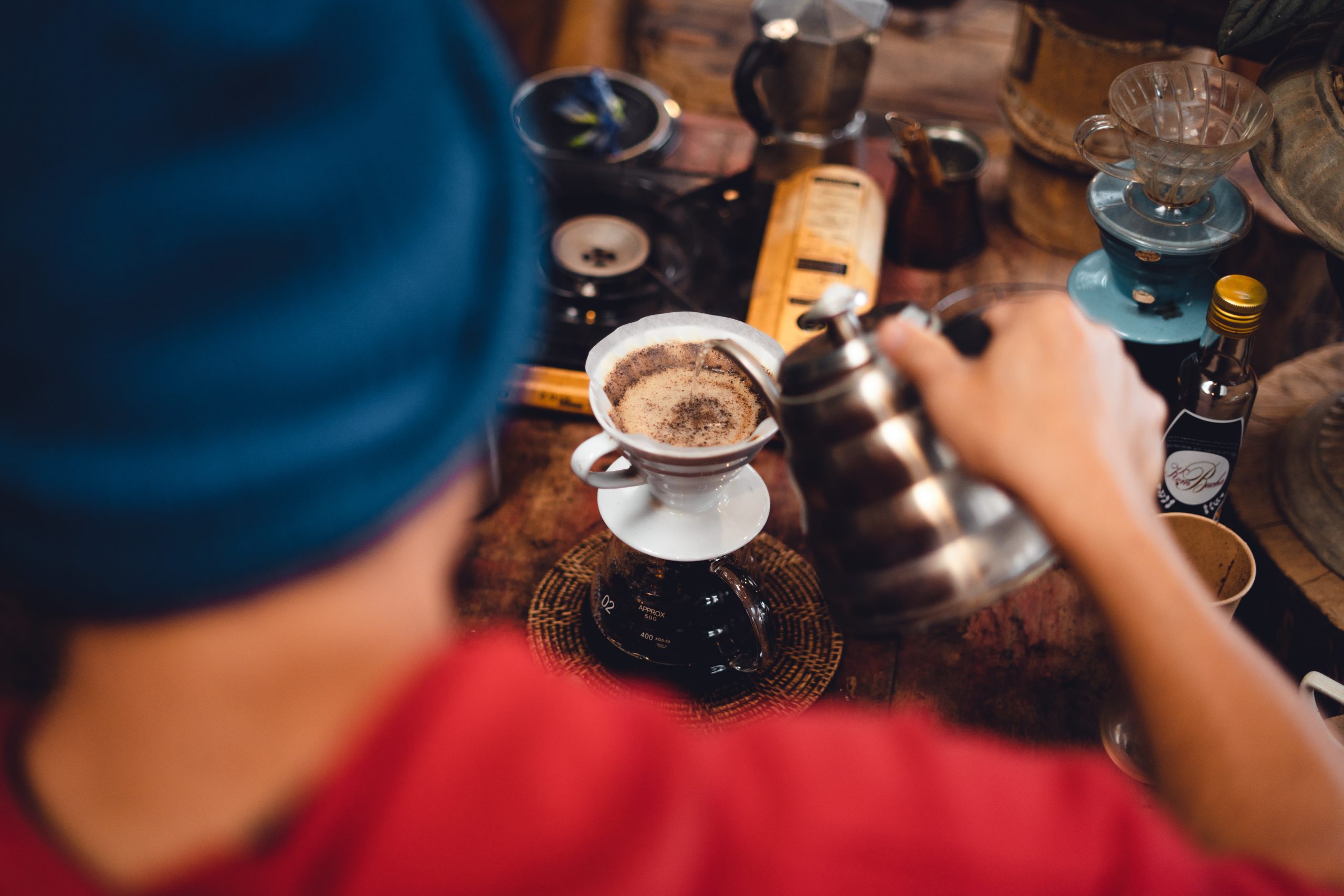
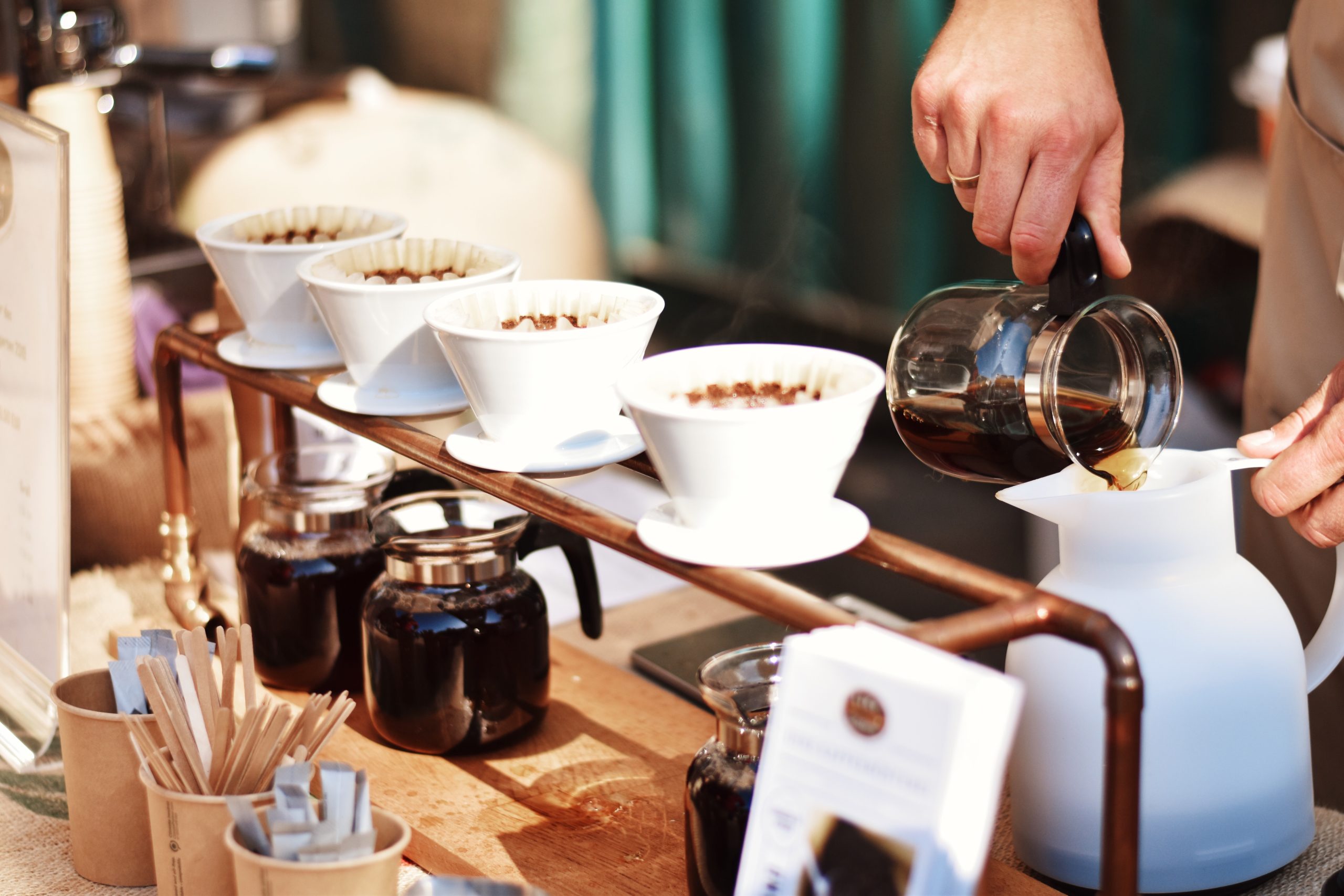
From latte art sessions to Q&A panels with roasters, these hands-on workshops invite attendees to experience the craftsmanship behind each cup. They also explore the Islamic ethical lens on business, highlighting how baristas and café owners can thrive without compromising faith-based principles.
2. Art and Music:
Many Halal coffee festivals collaborate with local artists and musicians to create an inspiring atmosphere. You might find Islamic calligraphy exhibits, acoustic performances, or poetry slams that celebrate identity and creativity.
3. Culinary Pairings:
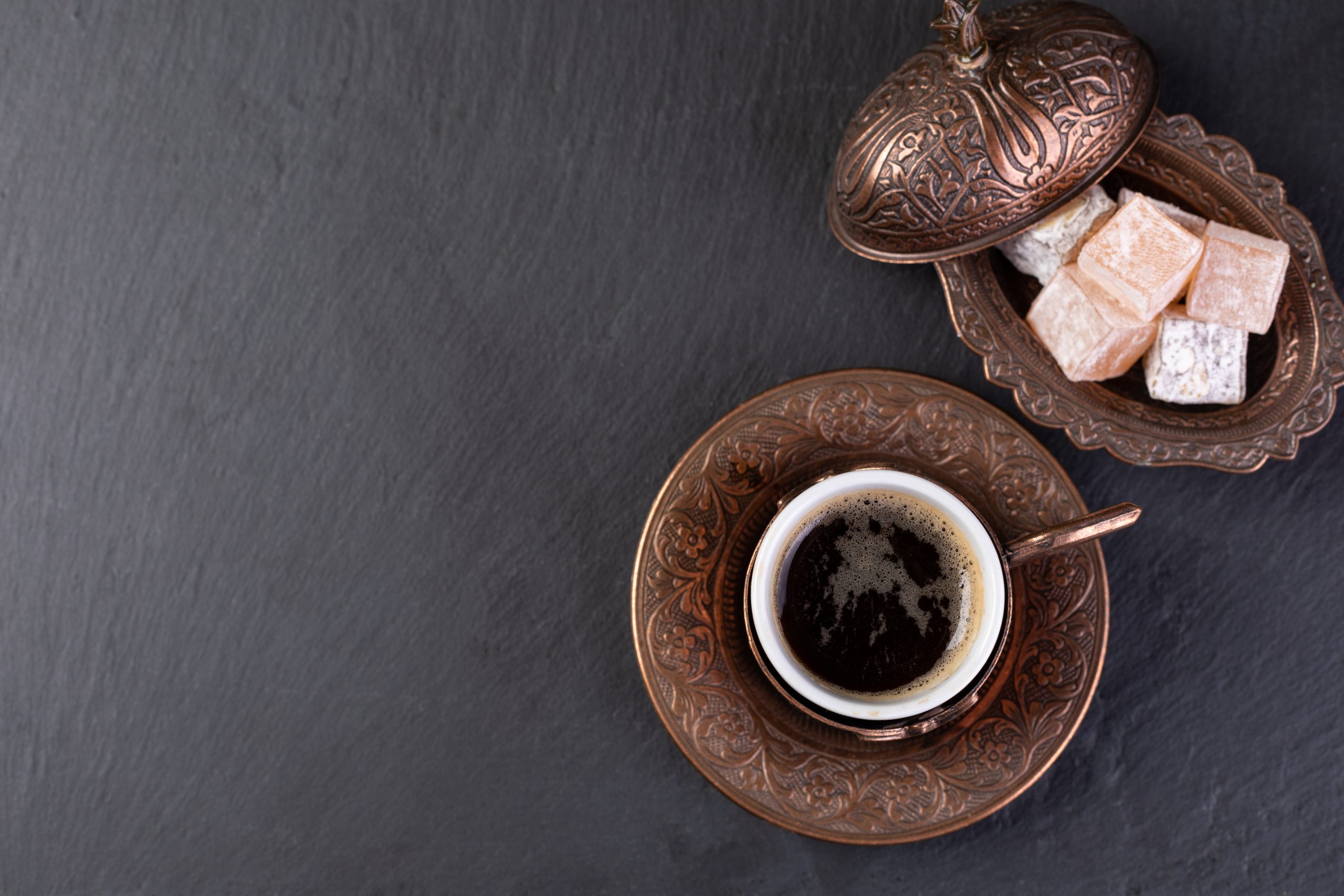
Beyond coffee, vendors often present Halal desserts, from Turkish baklava and Middle Eastern pastries to modern vegan treats. These pairings elevate the experience and attract diverse audiences seeking both indulgence and inclusivity.
4. Networking and Community Building:
For Muslim entrepreneurs, these festivals provide invaluable networking opportunities. Coffee shop owners, roasters, and suppliers can connect with like-minded businesses and discuss collaborations—from sourcing partnerships to franchising opportunities.
Global Hotspots for Halal Coffee Festivals:
Cities with thriving Muslim populations and vibrant coffee cultures have become hubs for these faith-driven celebrations.
Dubai, UAE: Known for its café innovation, Dubai hosts large-scale events that spotlight both luxury and tradition. Coffee entrepreneurs showcase premium blends, while panel discussions explore Islamic ethics in business.
Kuala Lumpur, Malaysia: Malaysia’s Halal-certified food scene extends seamlessly to coffee, making its festivals a fusion of innovation and cultural authenticity.
London, UK: With a growing number of Muslim-owned cafés, London’s Halal coffee events often emphasize inclusivity, featuring interfaith dialogues alongside product showcases.
Toronto, Canada & Chicago, USA: These multicultural hubs host community-driven Halal coffee fairs highlighting diversity and entrepreneurship in North America’s Muslim community.
As awareness grows, smaller cities are also beginning to organize pop-up Halal coffee markets and mini festivals to bring the concept closer to local communities.
Empowering Muslim Entrepreneurs:
Halal coffee festivals are more than just consumer events—they’re a launchpad for Muslim innovation. Many small roasters, café owners, and culinary artists use these platforms to debut their products, gain exposure, and connect with distributors.
This trend reflects a larger shift in the global economy, where faith-driven entrepreneurship is becoming a significant force. The combination of creativity, authenticity, and ethical business practices gives Muslim-owned brands a competitive edge in the ever-evolving coffee industry.
Moreover, these events highlight the importance of representation. Seeing Muslim baristas, business owners, and influencers leading in the coffee scene helps challenge stereotypes and promotes diversity within the broader hospitality sector.
The Future of Halal Coffee Festivals:
As the demand for ethical and inclusive experiences grows, Halal coffee festivals are poised to become mainstream attractions. They align perfectly with the values of the modern conscious consumer—sustainability, community, and authenticity.
In the near future, we can expect to see:
Digital Halal coffee expos connecting international roasters through virtual platforms.
Eco-conscious initiatives focusing on zero-waste cups and carbon-neutral operations.
Collaborations with mosques and universities to promote youth engagement in entrepreneurship.
Global Halal coffee tours, allowing enthusiasts to explore Islamic coffee history from Yemen to Istanbul.
The continued evolution of these festivals will ensure that the Halal coffee movement remains not just a niche cultural phenomenon, but a global symbol of unity through taste and tradition.
Conclusion:
The rise of Halal Coffee Festivals signifies more than just a growing interest in specialty coffee—it’s a celebration of faith, community, and ethical living. These festivals remind us that enjoying coffee can be an act of mindfulness, connection, and cultural pride.
As the aroma of freshly brewed coffee fills the air at these gatherings, it symbolizes something greater—the harmony of spiritual values and worldly pleasures, where faith truly meets flavor.