The Rise of Halal Coffee Shops: A Global Trend:
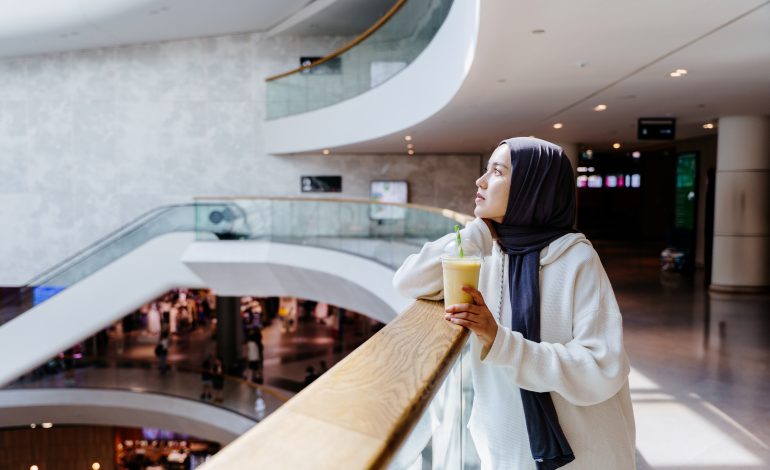

In recent years, coffee has evolved far beyond just a beverage. It’s become a cultural experience, a social connector, and a booming global industry. Alongside this growth, a significant trend is quietly reshaping the café landscape: the rise of Halal coffee shops.
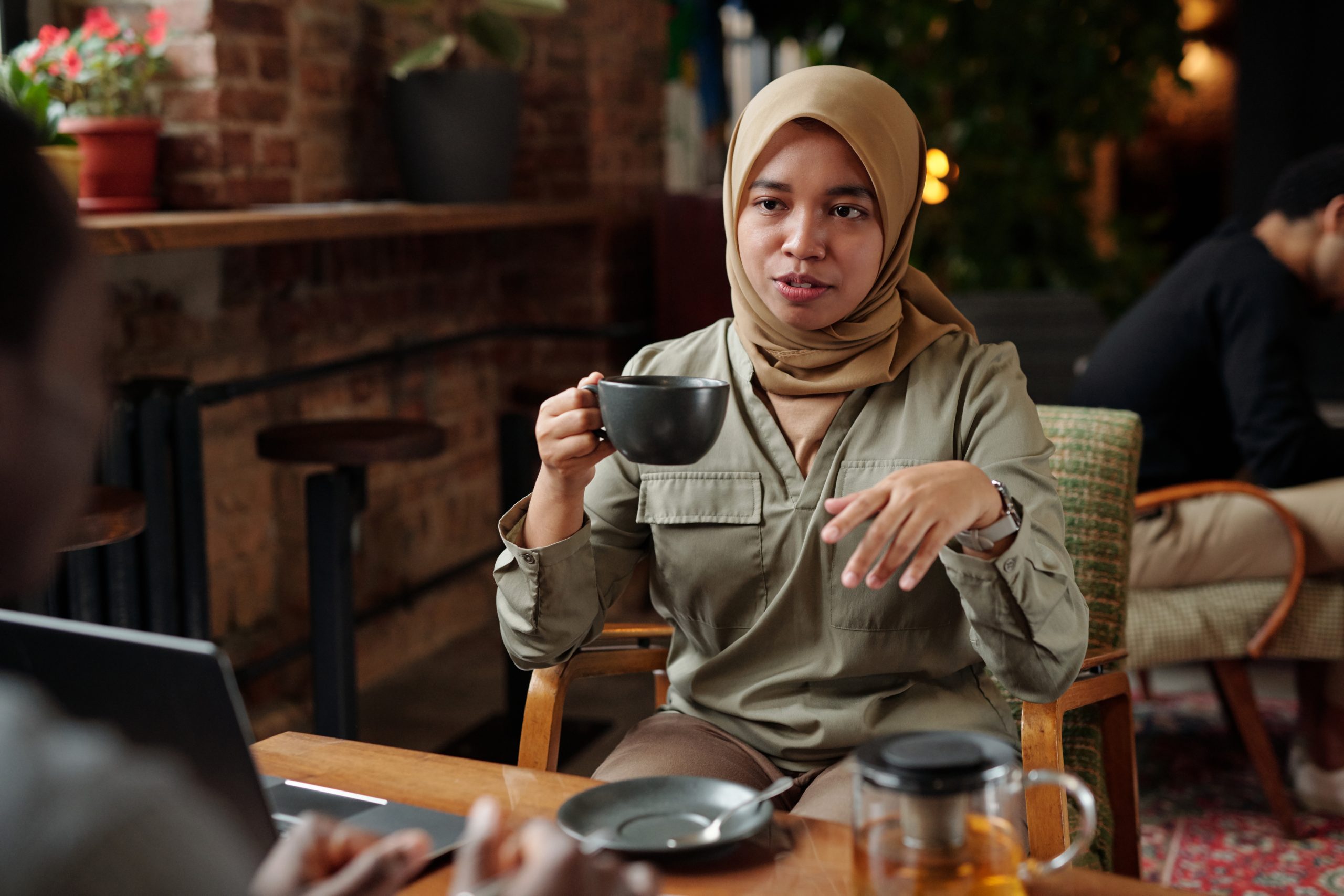
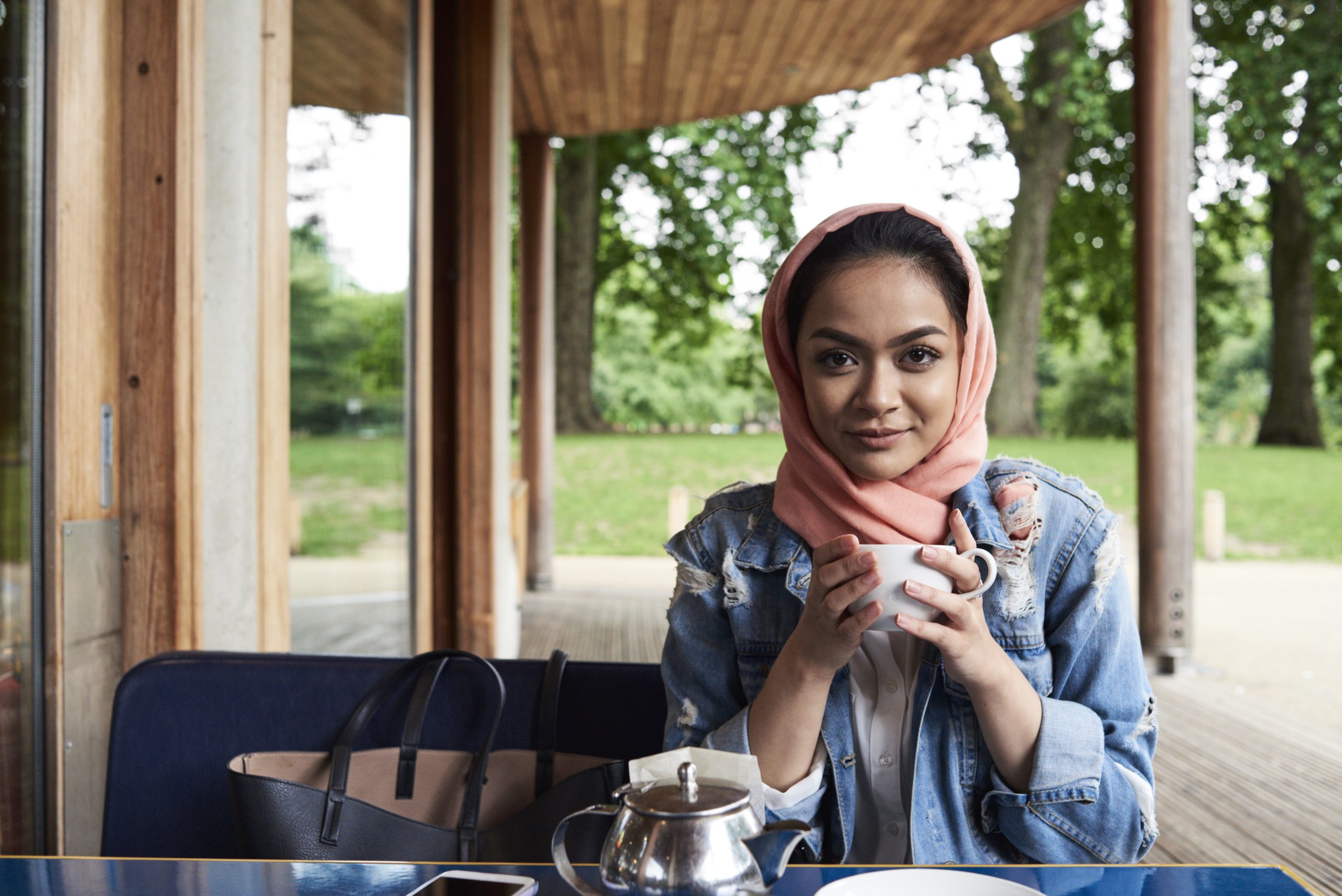
Once rare and niche, Halal-certified or Halal-friendly coffee shops are now popping up across the globe—from Kuala Lumpur to London, Toronto to Jakarta. These spaces are more than just Muslim-owned cafes; they represent a growing movement toward inclusivity, ethical consumption, and cultural representation in modern coffee culture.
In this blog, we’ll explore the drivers behind the rise of Halal coffee shops, key global examples, and why this trend is more than just a passing phase.
What Is a Halal Coffee Shop?
A Halal coffee shop is one that complies with Islamic dietary laws. This doesn’t only apply to meat; it includes all food and beverage ingredients, preparation methods, and overall hygiene standards. It also means avoiding:
Alcohol-based ingredients (e.g., flavorings, extracts).
Gelatin from non-Halal sources.
Non-Halal animal-based emulsifiers.
Cross-contamination with Haram (forbidden) items.
But more than that, Halal coffee shops often align with Islamic values, offering:
Family-friendly, respectful environments.
Prayer-friendly spaces.
Non-alcoholic menus.
Modesty in branding and ambiance.
Why the Surge in Halal Coffee Shops?
1. Growing Muslim Consumer Base:
With over 2 billion Muslims worldwide, the demand for Halal products and services is at an all-time high. By 2030, Muslims are expected to make up over 26% of the global population, and many of them are young, urban, and digitally connected—key demographics for café culture.
These consumers are looking for places where they can hang out, socialize, or work without compromising their faith. Halal coffee shops fulfill this need.
2. Rise of Ethical and Conscious Consumerism:
Beyond the Muslim community, more people—regardless of religion—are seeking ethical, transparent, and conscious businesses. Halal standards overlap with many values of this new consumer mindset, including:
Clean sourcing.
Ethical treatment of animals.
High hygiene standards.
Fair trade and social responsibility.
In many ways, a Halal coffee shop aligns with modern wellness and sustainability movements, attracting a diverse audience.
3. Shift in Muslim Identity and Lifestyle:
Today’s Muslim consumers—especially millennials and Gen Z—are redefining what it means to live a faith-conscious yet modern lifestyle. They want to enjoy the same experiences as their peers—going out for coffee, studying at cafés, brunching on weekends—but within a faith-aligned framework.
Halal coffee shops are part of a broader movement of Muslim-friendly lifestyle brands, including modest fashion, Halal cosmetics, and Islamic finance.
Global Hotspots for Halal Coffee Culture
Let’s take a look at how Halal coffee shops are gaining traction in different parts of the world.
Malaysia: A Pioneer in Halal Café Culture:
As a Muslim-majority country with a robust Halal certification system (JAKIM), Malaysia has been at the forefront of Halal coffee innovation. Cities like Kuala Lumpur and Penang are filled with Instagrammable Halal cafés offering artisan coffee, fusion cuisine, and cozy interiors—all while being JAKIM-certified or Muslim-owned.
Many Malaysian cafes also offer:
Prayer areas (surau).
No-alcohol policies.
Locally sourced, Halal ingredients.
Indonesia: Blending Tradition with Modernity:
Indonesia, home to the world’s largest Muslim population, has also seen an explosion in Halal-friendly coffee shops. From Jakarta to Bandung, cafés cater to the young Muslim crowd with:
Shariah-compliant menus.
Hijab-friendly dress codes.
Islamic art and branding.
These coffee spots serve as both spiritual safe spaces and lifestyle destinations.
United Kingdom: Serving the Muslim Urbanite:
In multicultural cities like London, Birmingham, and Manchester, Muslim consumers have embraced Halal coffee shops as alternatives to mainstream chains.
Popular Halal cafés in the UK offer:
Brunch menus with Halal eggs Benedict and turkey bacon.
Gender-inclusive spaces.
No alcohol or pork products.
Many of these shops have strong social media branding, catering to second and third-generation British Muslims looking for identity-affirming spaces.
Canada: A Growing Niche in Urban Centers:
In cities like Toronto and Vancouver, where diversity is celebrated, Muslim entrepreneurs are opening Halal-certified or Halal-friendly coffee shops. These often double as community hubs, hosting spoken word nights, Islamic lectures, or charity events.
A few key features:
Halal desserts and pastries.
Work-friendly environments.
Faith-conscious aesthetics.
Online and Mobile: The Digital Halal Café:
Thanks to the gig economy and digital innovation, some Halal coffee ventures are going virtual or mobile. From Halal coffee delivery services to coffee trucks at mosques or Islamic events, entrepreneurs are finding creative ways to reach the Muslim market beyond brick-and-mortar cafes.
The Business Case for Halal Coffee Shops
Opening a Halal coffee shop isn’t just a cultural mission—it’s smart business. Here’s why:
- Untapped Market Potential:
In many cities, there are few or no Halal-certified coffee spots, giving early movers a first-mover advantage.
- Brand Loyalty:
Muslim consumers often show strong loyalty to businesses that cater to their needs, leading to repeat business and organic promotion.
- Niche Marketing Opportunities:
You can easily target Muslim holidays (like Ramadan, Eid, or Islamic New Year) with special campaigns, product launches, or events.
- Cross-Cultural Appeal:
Many non-Muslims appreciate the clean, ethical, and alcohol-free environment of Halal cafés—broadening your customer base.
Challenges Halal Coffee Shops Face
While the market is growing, running a Halal coffee shop isn’t without its hurdles:
- Ingredient Sourcing:
Finding Halal-certified suppliers for coffee syrups, baked goods, or milk alternatives can be difficult, especially in non-Muslim countries.
- Higher Costs:
Certification, staff training, and careful ingredient management can increase operating costs.
- Public Misconceptions:
Some assume Halal cafés are only for Muslims or worry they’re too “religious.” Smart branding is key to welcoming all customers while staying true to your values.
What the Future Holds
The Halal coffee shop trend is still in its early stages, but all indicators point to growth. As demand for ethical, inclusive spaces continues to rise, we’ll likely see:
More Muslim-owned franchises and coffee chains.
Halal food tech and apps that connect customers to certified cafés.
Integration of modest branding, Islamic design, and digital tools.
Increased support from non-Muslim allies who value clean and conscious consumption.
Conclusion: Brewing Belonging One Cup at a Time
The rise of Halal coffee shops is more than a fad—it’s a reflection of how global Muslim identity is evolving in the 21st century. These cafés are creating spaces where faith, community, and culture meet, offering something much deeper than a caffeine fix.
For entrepreneurs, it’s a golden opportunity to serve an underrepresented market with authenticity and purpose. For customers, it’s about finding a place where they don’t have to compromise between lifestyle and belief.
So whether you’re a café owner or a coffee lover, the Halal coffee shop revolution invites you to take part in a global movement of inclusivity, culture, and conscious living—one cup at a time.