The World’s Coffee Capitals: Where Every Cup Tells a Story:


Coffee is far more than a drink—it’s an integral part of cultures, traditions, and histories around the globe. From the bustling cafés of Paris to the laid-back coffee houses of Melbourne, the places where coffee is brewed and served hold stories of the people, the land, and the craft that shapes each cup. The world’s coffee capitals are destinations in their own right, offering unique insights into how coffee has become a cultural phenomenon.
In this blog, we’ll take a closer look at some of the most iconic coffee capitals around the world, where every cup of coffee tells a story and where the love for this global beverage runs deep. Whether you’re a seasoned coffee lover or a casual drinker, visiting these cities will offer you not only an unforgettable cup of coffee but also an immersive experience in the traditions and stories that make each location a coffee lover’s dream.
1. Melbourne, Australia: The Birthplace of Specialty Coffee:
Melbourne is often considered the coffee capital of the world, known for its vibrant café culture and innovative coffee scene. The city’s love for coffee is deeply ingrained in its culture, with locals enjoying their daily caffeine fix as much as a visit to a museum or art gallery. Melbourne is credited with creating the flat white, a velvety, smooth coffee that has become a global favorite.
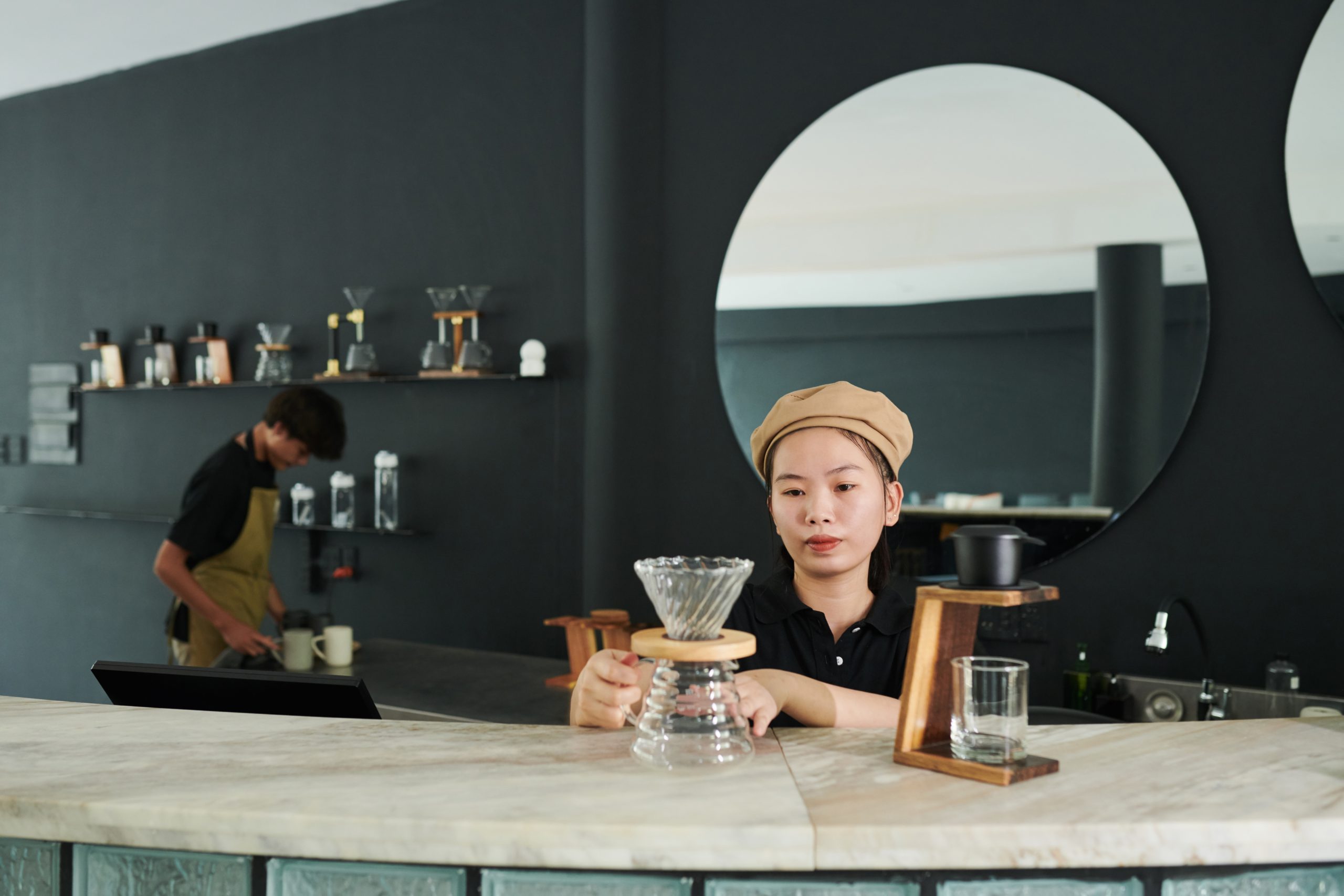
Melbourne’s coffee culture is a fusion of European espresso traditions and the city’s own unique flair. In its laneways and streets, you’ll find countless independent coffee shops, each with its own personality and style. Popular cafés like St. Ali, Proud Mary, and Seven Seeds have revolutionized the coffee scene, emphasizing single-origin beans, precision brewing techniques, and innovative flavors. The café culture here is casual yet sophisticated, with the emphasis on quality and community. Whether you’re sipping an expertly brewed espresso or indulging in a seasonal pour-over, every cup tells a story of craftsmanship and creativity.
2. Rome, Italy: The Heartbeat of Espresso Culture:
Italy, particularly Rome, is synonymous with coffee. The Italian way of drinking coffee—quick, strong, and to the point—has shaped the global coffee culture, making the espresso one of the most iconic beverages in the world. In Rome, coffee is not just a drink; it’s a ritual, a quick social moment shared with friends or colleagues. The famous Caffè Espresso is enjoyed in just a few sips, usually while standing at the counter in one of the city’s classic espresso bars.
Rome is home to countless historical coffeehouses where you can sip your espresso while surrounded by centuries of culture and art. Caffè Greco, established in 1760, is one of the city’s oldest and most iconic cafés, frequented by artists, writers, and intellectuals throughout the centuries. The charm of Rome’s coffee culture lies in its simplicity and tradition—whether you’re enjoying your coffee at a classic café or in a modern, hip coffee bar, every cup carries a deep connection to Italy’s rich history of coffee.
3. Istanbul, Turkey: The Ritual of Turkish Coffee:
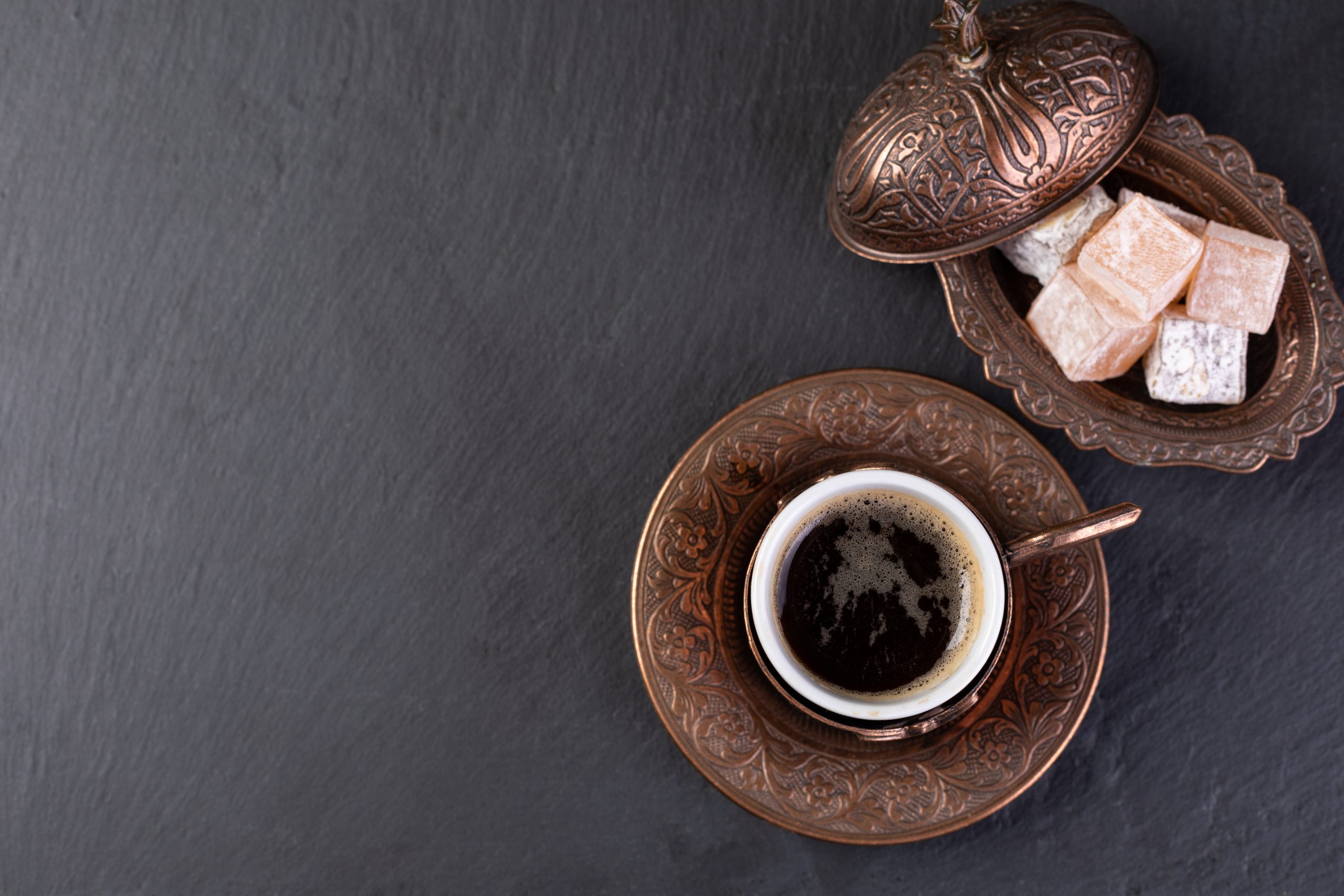
Istanbul is where Turkish Coffee—one of the world’s oldest brewing methods—was perfected. Recognized by UNESCO as an Intangible Cultural Heritage, Turkish Coffee is brewed in a cezve (a small pot) and served in small cups, often accompanied by a piece of Turkish delight. The brewing process is slow and meticulous, and the result is a strong, thick coffee with a rich, foamy texture that is unlike any other coffee in the world.
Coffeehouses, or kahvehane, have been a central part of Istanbul’s social life for centuries, dating back to the 16th century. They are more than just places to enjoy coffee; they are hubs of conversation, music, and intellectual exchange. Today, Istanbul’s coffee culture is a beautiful blend of old-world traditions and modern-day coffee trends. Cafés like Pierre Loti Café offer sweeping views of the city’s skyline, making it the perfect place to sip a traditional Turkish coffee while taking in the sights and sounds of this vibrant city.
4. Bogotá, Colombia: The Heart of Coffee Production:
Colombia is one of the world’s largest coffee producers, and Bogotá, the country’s capital, is the epicenter of Colombia’s rich coffee culture. Colombian coffee is known for its smooth, mild flavor, and Bogotá’s cafés take pride in serving freshly brewed cups made from beans grown in the country’s high-altitude coffee farms. The city is home to a growing number of specialty coffee shops that focus on showcasing the region’s coffee at its finest.
One of the best places to experience Bogotá’s coffee culture is at the National Coffee Park or the Museo del Oro (Gold Museum), where you can learn about the history of coffee cultivation in Colombia. Cafés like La Tertulia Café and Café San Alberto serve exceptional coffee, often accompanied by pan de bono (a Colombian cheese bread). Here, coffee isn’t just a beverage—it’s a source of pride and an important part of Colombia’s cultural identity. Every cup of coffee in Bogotá is a reflection of the country’s rich coffee heritage.
5. Addis Ababa, Ethiopia: The Birthplace of Coffee:
Ethiopia is considered the birthplace of coffee, and Addis Ababa, the country’s capital, is at the heart of Ethiopia’s rich coffee culture. The coffee ceremony is a deeply rooted tradition in Ethiopia, where coffee beans are roasted, ground, and brewed in front of guests. The process is often accompanied by the burning of incense and the sharing of stories, making it a social and cultural event.
In Addis Ababa, you’ll find traditional bunna bets (coffee houses) that serve rich, aromatic coffee prepared with great care and ceremony. These cafes are more than just places to drink coffee—they are spaces for socialization, reflection, and connection. For a truly authentic experience, try visiting Tomoca Coffee, one of the oldest and most respected coffee roasters in the city. Sipping a cup of freshly brewed Ethiopian coffee in the city where it all began is an unforgettable experience.
6. Melbourne, Australia: Where Coffee Meets Art:
Melbourne is a city that has elevated coffee to an art form. Known for its café culture, Melbourne has become a hotspot for specialty coffee lovers. The city’s coffee scene is a blend of European espresso traditions and the innovative approach of Australian baristas, making it one of the world’s leading coffee capitals.
In Melbourne, it’s not just about the coffee—it’s about the experience. The city is home to dozens of artisanal coffee shops that focus on sourcing the finest beans and perfecting every aspect of the brewing process. From the well-known St. Ali and Proud Mary to hidden gems in the laneways, Melbourne’s coffee shops are known for their attention to detail and commitment to quality. Whether you’re enjoying a flat white, long black, or pour-over, every cup reflects the city’s dedication to both quality and community.
7. Seattle, USA: The Birthplace of Starbucks:
Seattle may be home to the global coffee giant Starbucks, but the city’s coffee culture goes far beyond the ubiquitous green mermaid. Seattle has long been a hub for coffee innovation, with a vibrant café scene that spans from high-end roasters to cozy, independent coffee houses.
Pike Place Market is the birthplace of Starbucks, and it remains a must-visit for any coffee lover. However, the city’s coffee culture is much more diverse. Specialty coffee roasters like Stumptown Coffee Roasters and Victrola Coffee Roasters have set the bar for quality, offering expertly brewed coffee made from high-quality beans. Seattle’s coffee shops are also known for their cozy, community-focused environments, making them the perfect spots to relax, work, or meet friends.
8. Vienna, Austria: The Café Capital of Europe:
Vienna’s coffee culture is a part of the city’s heritage, and the historic Viennese Café is a symbol of the city’s intellectual and artistic life. Café Central, one of the most famous coffeehouses in Vienna, has been serving patrons since 1876, and it remains a cultural and social hub. Vienna’s coffee houses are known for their elegance, offering a sophisticated setting to enjoy a Café Melange or a Wiener Kaffee while reading the newspaper or engaging in conversation.
Vienna’s coffee culture is steeped in history, with cafes like Café Landtmann and Café Sperl serving as gathering spots for famous artists, writers, and philosophers. The Viennese coffeehouse tradition is one of the most refined and is recognized by UNESCO as an Intangible Cultural Heritage of Humanity.