Tranquil Sips: The Best Coffee Shops Near Mosques for Reflection and Relaxation:

There’s something profoundly peaceful about sipping a cup of coffee after prayer. The calm that follows reflection, the warmth of community, and the aroma of freshly brewed beans create an experience that feels both sacred and soothing. Across the world, a new trend is taking root — halal-friendly coffee shops near mosques, offering spaces where spirituality and serenity blend seamlessly.
Whether you’re looking for a place to unwind after Jummah prayers, meet friends in a faith-centered environment, or simply reflect between salahs, these coffee havens serve more than caffeine — they serve connection and calm.
Let’s explore how coffee shops near mosques are becoming sanctuaries of reflection, hospitality, and heartwarming tranquility.
1. Where Faith Meets Flavor:
In many Muslim communities, the mosque isn’t just a place of prayer — it’s a center of community life. After prayer, people often seek a quiet spot to continue conversations, read, or reflect.
That’s where coffee shops near mosques play a special role. They extend the mosque’s sense of serenity into everyday life, providing a comfortable setting for spiritual pause and mindful relaxation.
These cafés often cater to Muslim sensibilities — offering halal-certified food, modest ambiance, and spaces that encourage both conversation and contemplation. Some even design their interiors with soft colors, Qur’anic calligraphy, or traditional Middle Eastern décor that complements the mosque’s tranquility.
2. A Tradition Rooted in History:
The idea of drinking coffee after prayer isn’t new — it’s deeply rooted in Islamic history.
In the 15th century, Sufi mystics in Yemen first brewed qahwa (coffee) to help them stay awake during late-night devotions. Coffee became a companion for spiritual gatherings (dhikr) and scholarly discussions after prayer.
Soon, qahveh khaneh (coffeehouses) appeared near mosques in cities like Cairo, Damascus, and Istanbul. These spaces weren’t loud or commercial; they were peaceful meeting places for scholars, poets, and travelers seeking knowledge and company.
Today’s cafés near mosques carry on that same tradition — modern reflections of an ancient rhythm of worship, wisdom, and warmth.
3. The Perfect Post-Prayer Pause:
After the stillness of salah (prayer), enjoying coffee can be a meditative ritual in itself. It’s a chance to slow down, breathe, and extend the peace of prayer into the rest of the day.
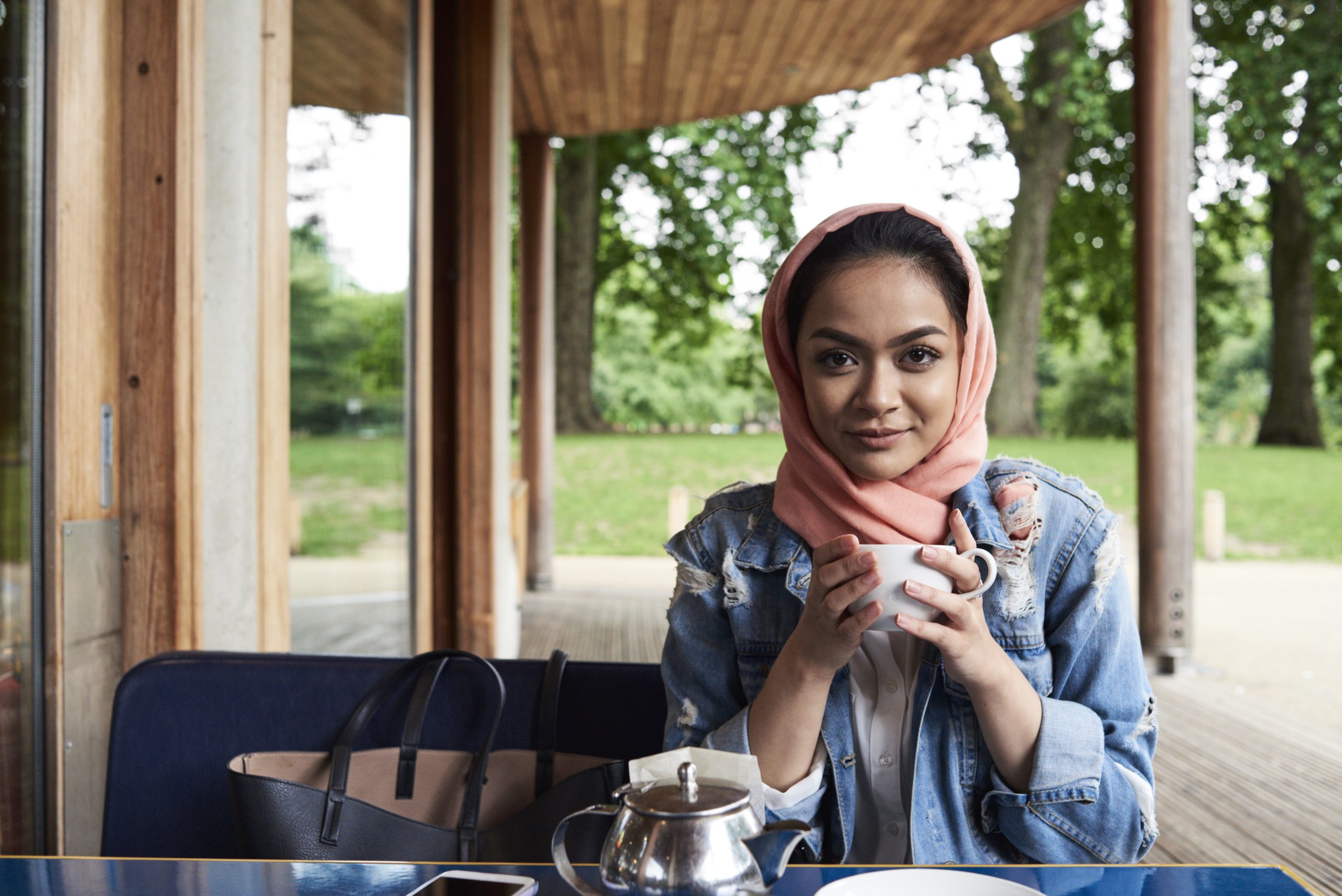
Many Muslims choose coffee shops near mosques for this very reason — they can transition smoothly from spiritual activity to social interaction. Whether it’s journaling after Fajr, catching up with friends after Jummah, or reflecting alone after Maghrib, these cafés provide safe, comfortable, and halal-friendly spaces to be present.
Some cafés even sync their hours with prayer times or have prayer rooms inside — ensuring that guests never have to choose between worship and leisure.
4. Tranquil Cafés Around the World:
Here are a few examples of calm, halal-friendly coffee shops located near mosques that offer the perfect mix of reflection and relaxation:
1. Qahwa House – Dearborn, USA:
Located just minutes from several local mosques, Qahwa House is a Yemeni-inspired café known for its rich, spiced brews and spiritual ambiance. The owners intentionally created it as a space for faith-based connection — where families, students, and travelers can gather in peace.
2. Café Bateel – Dubai, UAE:
Near the stunning Jumeirah Mosque, Café Bateel blends luxury with calm. Guests can enjoy Arabic qahwa with dates while reflecting amid elegant, minimalist interiors. It’s a favorite stop for worshippers seeking a quiet post-prayer experience.
3. Chaiiwala – London, UK:
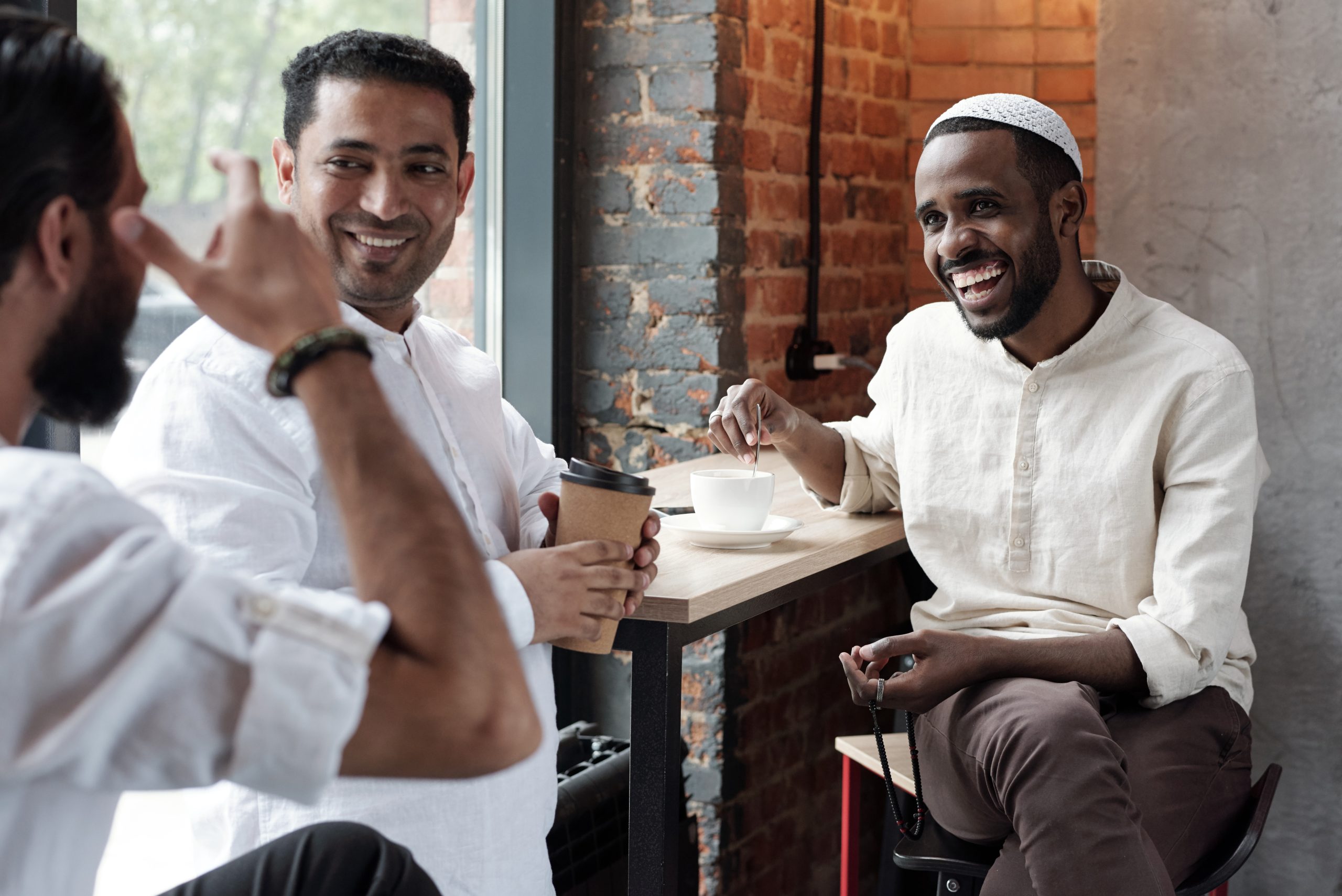
Close to East London Mosque, Chaiiwala serves desi chai and espresso blends in a cozy, welcoming atmosphere. It’s a go-to for Jummah afternoons — where community members linger over karak tea and heartfelt conversations.
4. Brew & Chew – Kuala Lumpur, Malaysia:
Located near Masjid Jamek, Brew & Chew offers Malaysian-style coffee and fusion snacks. The open, airy environment invites reflection, and the staff often play soft nasheeds — adding a subtle spiritual touch.
5. Flat White Café – Istanbul, Turkey:
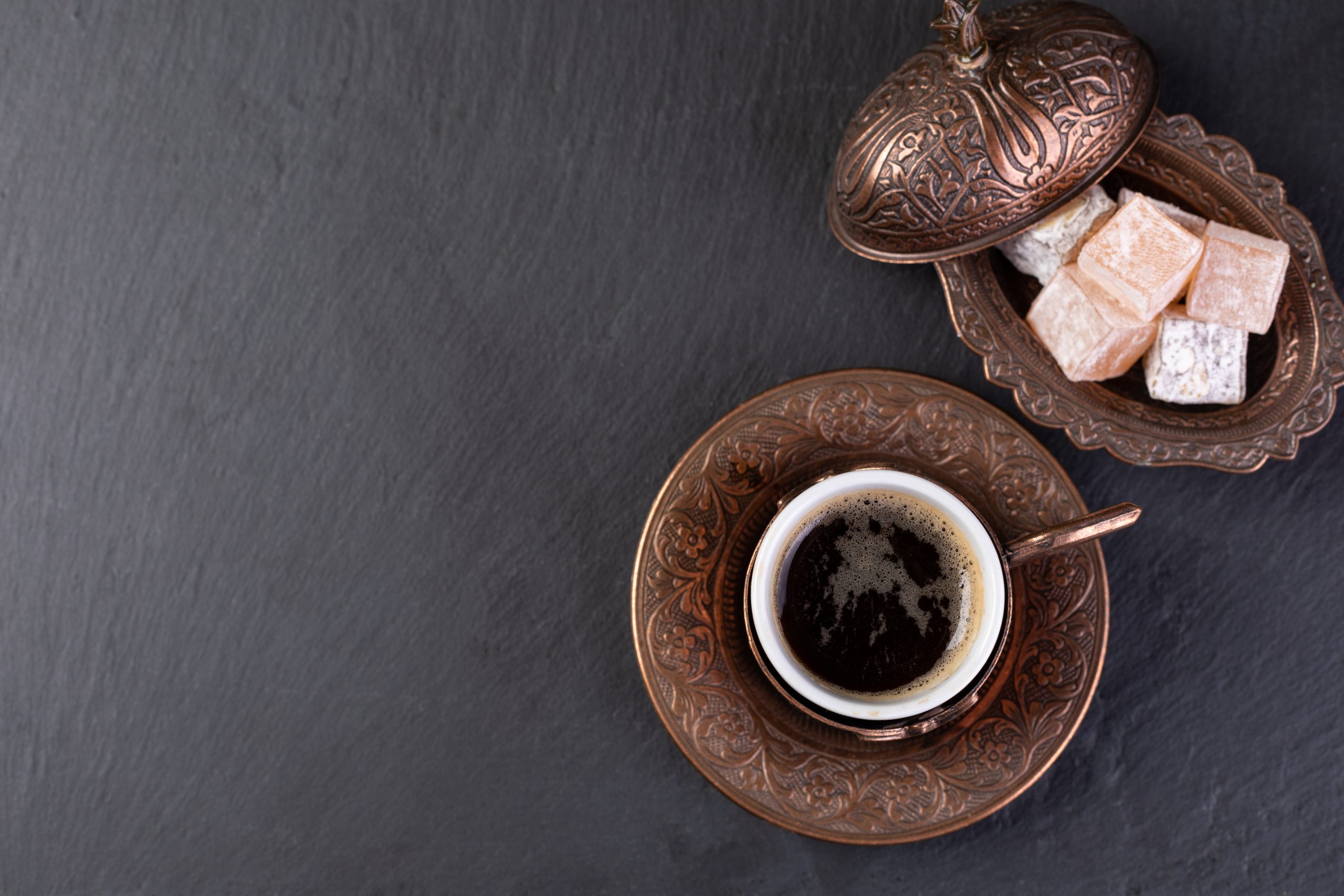
Just a short walk from the Blue Mosque, this serene café blends modern minimalism with Ottoman charm. Visitors often stop in after visiting the mosque to write, read, or quietly watch the world go by with a cup of traditional Turkish coffee.
Each of these cafés embodies a shared principle: coffee with meaning — an experience that nourishes the body, mind, and soul.
5. More Than a Café: Spaces for Reflection and Connection:
Coffee shops near mosques often serve a dual purpose — they’re not just places to drink coffee; they’re places to belong.
In many Muslim neighborhoods, these cafés host events that foster unity and creativity:
Qur’an study circles or book readings.
Community iftars during Ramadan.
Halal entrepreneurship meetups for young professionals.
Charity drives and donation boxes for local causes.
By combining spiritual grounding with social connection, these spaces continue Islam’s timeless tradition of coffee and conversation — just as the early qahveh khaneh once did.
6. The Mindful Aesthetic: Design That Encourages Calm:
What makes these cafés truly special is their ambiance. The design of a coffee shop near a mosque often reflects the same principles that guide Islamic architecture — harmony, balance, and light.
You’ll often find:
Soft, natural lighting for reflection.
Earthy tones and wood accents to create warmth.
Minimalist seating that encourages focus over noise.
Quiet background music (or none at all) for peaceful conversation.
Some cafés even feature verses about gratitude or patience on their walls — subtle reminders that every sip can be an act of mindfulness.
In a world of chaos and speed, these cafés offer something rare: stillness.
7. Supporting Halal and Ethical Coffee Culture:
Many Muslim café owners see their business as a form of ethical stewardship — a way to honor both creation and community.
They often emphasize:
Halal-certified ingredients and fair-trade beans.
Sustainable sourcing from small farmers in Yemen, Ethiopia, or Indonesia.
Zero-waste initiatives and eco-friendly packaging.
This approach reflects Islam’s broader ethical values — respect for the environment, honesty in trade, and compassion for others. For these cafés, serving coffee is an act of khidmah (service), not just commerce.
8. A New Generation of Muslim Coffee Culture:
The rise of cafés near mosques also reflects a generational revival. Young Muslim entrepreneurs are reimagining the café as a place of both faith and modern creativity — blending tradition with design, business with spirituality.
They’re showing that being Muslim in the modern world doesn’t mean separating the sacred from the social — it means integrating them.
These cafés serve as powerful symbols of that harmony: where espresso meets adhan, and where people of all backgrounds can feel welcome to sit, talk, and think deeply.
9. The Spiritual Side of the Coffee Ritual:
For Muslims, coffee can be a reflection of gratitude and mindfulness. Each sip becomes an opportunity to pause and remember the blessings of sustenance, community, and faith.
Even the process of making coffee — grinding, brewing, pouring — mirrors acts of patience and care. It’s no surprise that many Muslims find the act of sipping coffee after prayer to be almost meditative, an extension of their worship in everyday life.
As the Prophet Muhammad ﷺ said:
“Verily, in the remembrance of Allah do hearts find rest.” (Qur’an 13:28)
And for many, that remembrance continues long after they leave the mosque — often, with a quiet cup in hand.
10. Final Sip: Finding Stillness in Every Cup:
Coffee shops near mosques are more than convenient — they’re spiritual respites in the middle of daily life. They remind us that faith isn’t confined to prayer mats or sanctuaries; it can infuse even our simplest routines.
In a world that moves fast, these tranquil spots offer moments of pause, gratitude, and connection. Whether you’re sharing stories with friends, journaling in solitude, or simply gazing out the window after prayer — each sip can be an act of reflection.
Because in Islam, every act done with intention becomes worship — even drinking coffee.