Why Halal Certification Matters for Coffee Shops: Beyond Just Food?
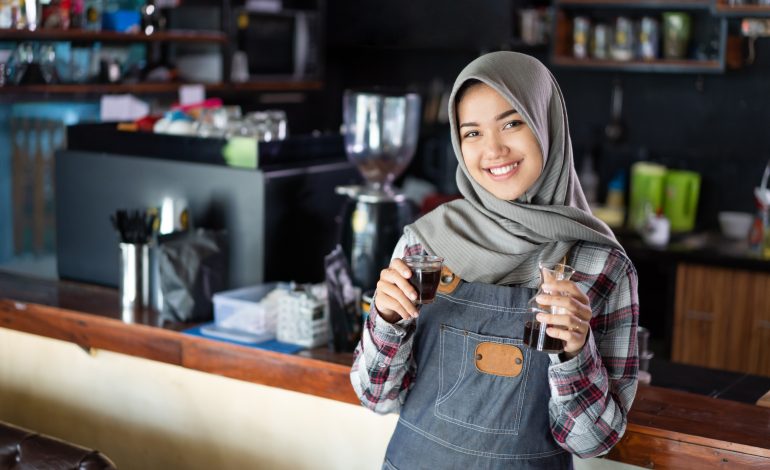

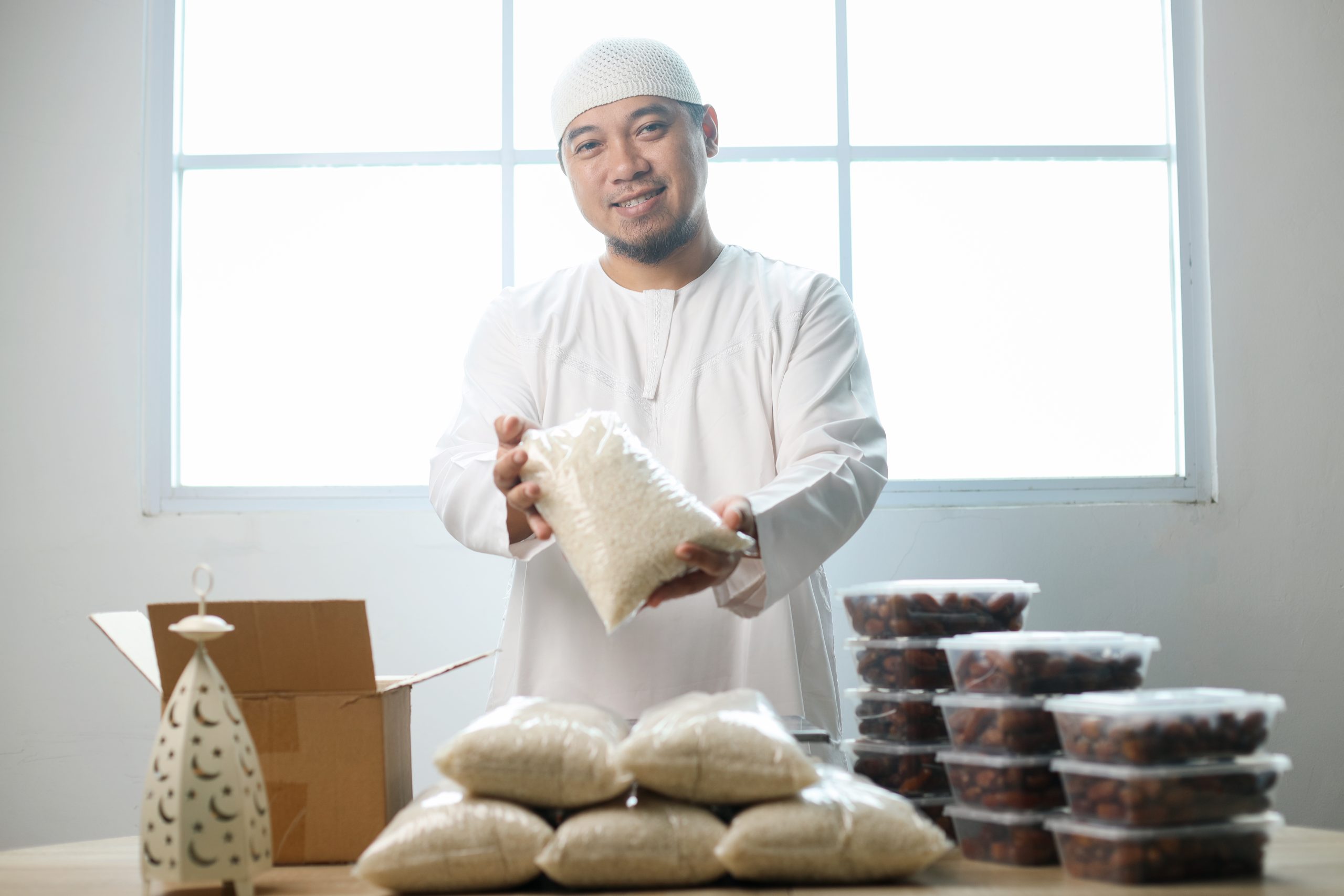
In today’s globalized and diverse marketplace, inclusivity and transparency are no longer optional—they’re essential. One area where this is becoming increasingly apparent is in the food and beverage industry, especially with the growing demand for Halal-certified products. While many people associate Halal certification strictly with meat and poultry, the scope is much broader. For coffee shops, Halal certification is about more than just food—it’s about ethics, cleanliness, inclusivity, and market opportunity.
In this post, we’ll explore why Halal certification matters for coffee shops and how it goes far beyond the food you serve.
Understanding Halal: Not Just Meat:
The term “Halal” is Arabic for “permissible” or “lawful.” In the context of food and drink, it refers to items that are allowed under Islamic dietary laws. While most people think only of Halal meat, Halal standards cover:
Ingredients and sourcing.
Processing and preparation methods.
Cleanliness and hygiene.
Business ethics and practices.
This means that everything from your coffee beans, syrups, desserts, cleaning methods, and even your supply chain can fall under scrutiny from a Halal perspective.
Why Should Coffee Shops Care About Halal Certification?
1. Growing Muslim Consumer Market:
The global Muslim population is expected to reach 2.2 billion by 2030, with a growing middle class demanding products that align with their values. In many countries, especially in North America, Europe, Southeast Asia, and the Middle East, the Muslim community is a significant and loyal customer base.
Having Halal certification instantly tells Muslim consumers:
“You are welcome here. We understand your needs.”
2. Trust and Transparency:
In a time when consumers are increasingly demanding transparency, Halal certification demonstrates that a business is serious about quality, ethics, and consumer rights. It reassures customers that:
Your ingredients are free from prohibited substances (e.g., alcohol, pork by-products).
Cross-contamination with non-Halal items is avoided.
You follow a systematic and clean preparation process.
Your business respects ethical sourcing and labor practices.
This level of assurance builds trust—not just with Muslims, but with health-conscious, ethical, and environmentally aware customers too.
3. Beyond Ingredients: Halal and the Coffee Itself:
You might assume that since coffee beans are plant-based, there’s no issue. But there are multiple factors that can make a coffee product non-Halal or questionable:
Common Issues in Coffee Shops:
Alcohol-based flavorings (like vanilla extract or Irish cream syrup).
Non-Halal marshmallows or gelatin in drinks or desserts.
Shared equipment with non-Halal items (e.g., bacon sandwiches, pork-based pastries).
Cross-contamination during food prep.
Animal-derived enzymes or emulsifiers in baked goods or dairy.
For truly Halal-conscious consumers, these can be deal-breakers.
4. Inclusivity in Dining Experience:
Halal certification is not only about what’s in the cup or on the plate—it’s about the entire customer experience. A Halal-certified coffee shop provides a safe, inclusive environment where Muslim customers don’t have to ask a long list of questions or second-guess every menu item.
By offering clearly labeled Halal options—or better yet, certifying the entire shop—you remove the barriers and anxiety many Muslim customers face when dining out.
5. Competitive Advantage in a Saturated Market:
With coffee culture booming, competition is fierce. Halal certification gives you a unique selling point:
Stand out in crowded markets.
Attract a niche audience with strong brand loyalty.
Tap into festivals and events like Ramadan or Eid for seasonal campaigns.
Collaborate with Halal influencers and Muslim community groups.
It’s not just compliance—it’s smart business.
What Does the Halal Certification Process Involve?
Getting Halal certified isn’t as complex as it may sound, but it does require commitment to transparency and consistency. Here’s a brief overview of what the process typically involves:
Assessment of ingredients – Reviewing every component used in your food and beverages for compliance.
Inspection of processes – Ensuring no cross-contamination, and that equipment and utensils are cleaned appropriately.
Training for staff – Educating your team on Halal standards and handling procedures.
Documentation and auditing – Submitting records for review and passing inspection by a Halal certifying body.
Ongoing compliance – Regular checks and renewal of certification.
Different countries have different Halal authorities (e.g., JAKIM in Malaysia, HFA/HMC in the UK, IFANCA in the US), so be sure to work with one recognized in your region.
Addressing Common Misconceptions:
Let’s tackle a few myths:
“Halal is only relevant for Muslim customers.”
False. Halal certification often overlaps with standards for hygiene, ethical sourcing, and quality—appealing to a broader consumer base.
“It’s too expensive and complicated.”
Not necessarily. The costs are manageable, especially compared to the long-term benefits of opening your doors to a wider audience.
“It means I have to change everything.”
Usually, it’s small changes—like switching to alcohol-free syrups, using certified suppliers, or dedicating separate equipment—that make the difference.
How to Start the Halal Journey in Your Coffee Shop:
If you’re considering Halal certification, here’s a step-by-step to begin:
Evaluate your current menu and ingredients.
Research Halal certification bodies in your country.
Reach out for a consultation to understand what changes (if any) are needed.
Train your staff on handling practices and customer interactions.
Communicate your Halal status clearly in-store and online.
Conclusion: Halal Is More Than a Label—It’s a Value System:
Getting Halal certified is not just about checking a box—it’s about embracing a system of values that promotes cleanliness, fairness, ethical sourcing, and inclusion. For coffee shops, this means creating an environment where everyone feels welcome, respected, and confident in what they consume.
As the demand for Halal-certified establishments continues to rise, coffee shops that take the initiative to understand and implement these standards will not only serve a growing market—they’ll build a brand that stands for trust, quality, and inclusivity.