Women in the Halal Coffee Industry: Exclusive Interviews with Muslim Female Café Owners:

In the heart of bustling cities and quiet neighborhoods around the world, a quiet revolution is brewing — one that combines entrepreneurship, creativity, and faith. Muslim women are making their mark in the global coffee scene, shaping a new narrative of empowerment, ethical business, and community leadership.
From the streets of Kuala Lumpur to cafés in Toronto and London, Muslim female café owners are redefining what it means to run a business in line with Islamic principles — and they’re doing it one cup at a time. Through exclusive interviews and inspiring stories, this blog explores how these women are transforming the Halal coffee industry and creating spaces where culture, faith, and coffee blend beautifully.
The Rise of Muslim Women in Coffee Culture:
Traditionally, coffee has been a symbol of community — a drink that brings people together for conversation, reflection, and connection. For Muslim women, entering the coffee industry has provided an opportunity not just for business, but for self-expression, creativity, and social impact.
In a world where the hospitality sector can be challenging for women, especially those balancing faith and modernity, these café owners are showing that it’s possible to thrive without compromising values.
Their cafés often serve as Halal-certified, family-friendly, and inclusive spaces, where everyone — Muslim or not — can feel welcome. Beyond serving coffee, they foster community, sustainability, and dialogue, proving that ethical entrepreneurship and Islamic principles can coexist seamlessly.
Meet the Pioneers: Muslim Female Café Owners Redefining Halal Coffee:
1. Aisha Rahman – Founder of Brew & Barakah, Kuala Lumpur, Malaysia:
Aisha Rahman’s journey began as a simple dream — to create a café where Muslim youth could meet, study, and relax in an Islamic environment. Today, her brand Brew & Barakah has become one of Malaysia’s most beloved Halal coffee spots.
“For me, coffee is more than a drink. It’s a way to bring people closer — to themselves, to others, and to their faith,” Aisha explains.
Her café is known for its ethically sourced beans, locally inspired drinks like pandan lattes and coconut cold brews, and community initiatives that support local farmers. Aisha also runs “Coffee with Purpose,” a weekly discussion circle where young professionals and students talk about spirituality, business ethics, and mental health.
“Running a Halal café isn’t just about serving Halal-certified products,” she says. “It’s about embodying Halal in how you treat people, how you manage your team, and how you give back to society.”
2. Sara Ahmed – Co-owner of The Faithful Bean, London, United Kingdom:
In London’s multicultural café scene, The Faithful Bean stands out as a place where art, activism, and Arabica coexist. Founded by Sara Ahmed and her sister, the café was born from a desire to create representation for Muslim women in hospitality.
Sara’s background in design is evident in the café’s minimalist aesthetic — with Islamic calligraphy, fair-trade décor, and a zero-waste coffee bar.
“We wanted to challenge stereotypes,” Sara says. “People often assume Muslim women don’t lead in creative industries. But our café is proof that faith and creativity go hand in hand.”
The Faithful Bean uses beans sourced directly from female-led farms in Ethiopia and Yemen, aligning with their mission to empower women across the supply chain. The café also hosts monthly workshops on faith-based entrepreneurship and sustainability.
“We don’t just sell coffee,” Sara adds. “We brew stories — stories of women, resilience, and community.”
3. Fatima Al-Harbi – Founder of Qahwa & Co., Dubai, UAE:
Dubai’s coffee culture is vibrant and ever-evolving, but Qahwa & Co., founded by Emirati entrepreneur Fatima Al-Harbi, adds a refreshing blend of tradition and innovation.
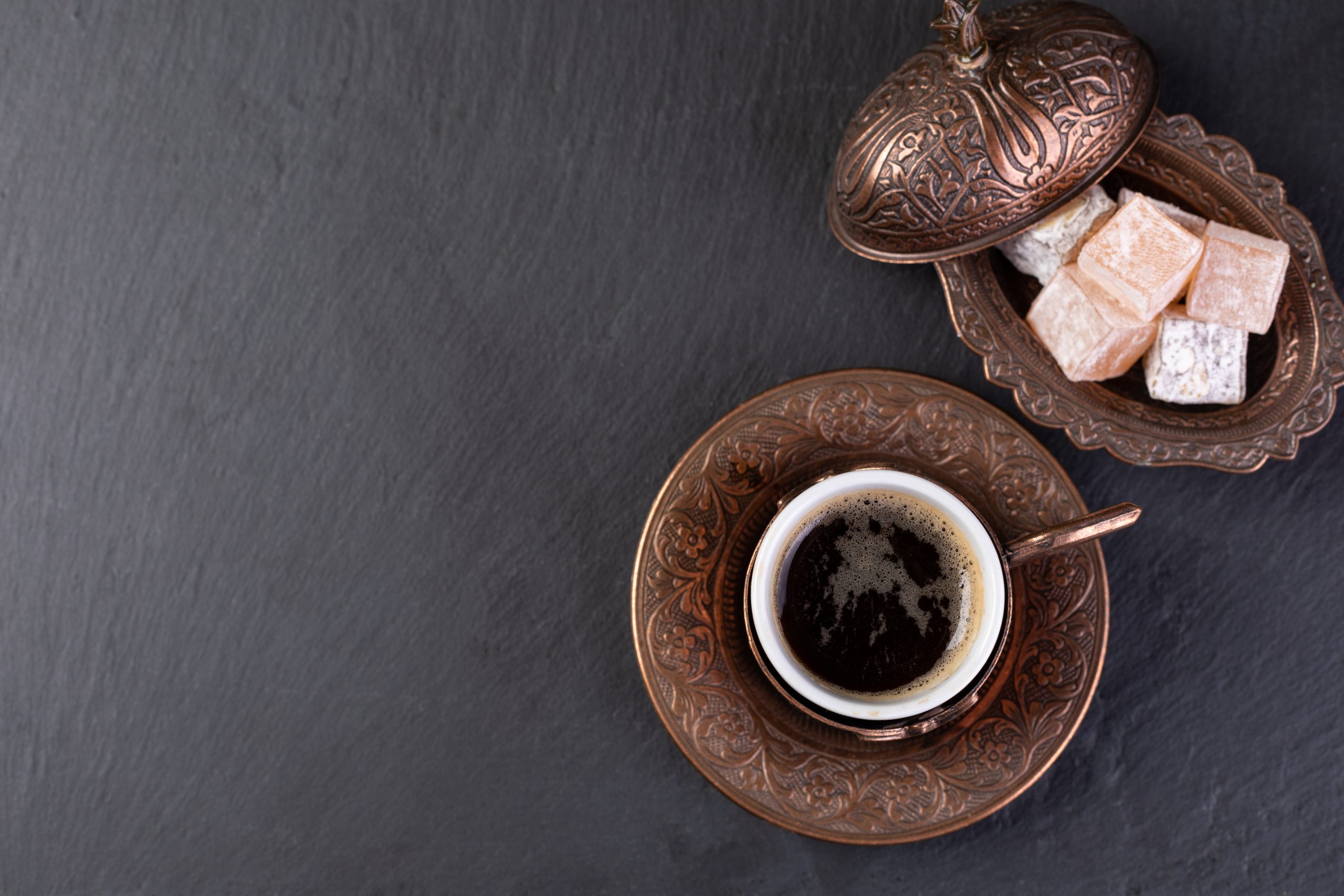
Her café celebrates the heritage of Arabic coffee, serving it in traditional dallahs (coffee pots) alongside modern espresso creations. Fatima’s vision was to revive the authentic Emirati coffee experience while making it accessible to a younger generation.
“Our coffee is deeply tied to our culture,” Fatima says. “I wanted to show that preserving our traditions can go hand in hand with modern business.”
Beyond its beautiful interiors, Qahwa & Co. is also a hub for female empowerment. The café employs women in key management roles and regularly hosts “She Brews” — a mentorship program that helps aspiring female baristas and entrepreneurs start their own ventures.
“Faith gives us a framework for business that’s ethical and inclusive,” Fatima reflects. “In Islam, we’re encouraged to seek knowledge, trade fairly, and uplift others — and that’s exactly what this café stands for.”
4. Nadia Khan – Owner of Sippin’ Sunnah, Toronto, Canada:
In the heart of Toronto’s downtown district sits Sippin’ Sunnah, a cozy café blending contemporary design with Islamic values. Founder Nadia Khan, a Pakistani-Canadian entrepreneur, started the café to bridge cultural gaps within her community.
“When I was growing up, I didn’t see many Muslim-owned cafés that reflected our values and creativity,” Nadia recalls. “I wanted to change that.”
Sippin’ Sunnah serves organic, fair-trade coffee and offers Halal pastries made by local women-owned bakeries. The café hosts weekly “Open Brew Nights,” inviting customers from all faiths to discuss social issues over coffee.
“Our goal is to show that Halal isn’t restrictive — it’s about ethical living,” Nadia says. “It’s about knowing that your business decisions align with your morals and that your success benefits others too.”
Her café also donates a percentage of its profits to charities supporting refugee women and youth education, making every cup of coffee part of a bigger mission.
Challenges and Triumphs in a Growing Industry:
While their journeys are inspiring, these women also face unique challenges — from navigating certification processes to breaking gender norms in male-dominated business spaces.
“It’s not always easy,” Aisha admits. “Some suppliers don’t understand why we insist on Halal certification or fair-trade verification. But I see it as part of the mission — to educate others through example.”
Despite obstacles, these entrepreneurs share one common strength: resilience rooted in faith. Their stories demonstrate that success in the Halal coffee industry is not only possible but deeply rewarding when guided by integrity, perseverance, and community spirit.
How They’re Changing the Coffee Narrative:
The impact of Muslim women in the Halal coffee industry goes beyond the cafés they run. They are:
Redefining leadership: proving that women can lead with compassion, innovation, and strong values.
Encouraging ethical consumption: inspiring communities to choose brands that prioritize fairness and sustainability.
Creating safe, inclusive spaces: where modesty, creativity, and culture coexist harmoniously.
Empowering others: by mentoring young women and showcasing that success is achievable within the framework of faith.
Each of these women turns coffee into more than a beverage — it becomes a medium of empowerment, a reminder that faith can inspire excellence in every field.
Faith in Business: The Essence of Halal Entrepreneurship:
At the heart of every story lies a deeper philosophy: that Halal is not just a certification — it’s a way of doing business ethically. These café owners see their work as an act of worship (ibadah), grounded in honesty, respect, and gratitude.
They believe success comes not from cutting corners or chasing trends, but from serving people with sincerity. In every cup they brew, there’s a reflection of the Qur’anic principle of ihsan — doing everything with excellence and intention.
Conclusion: Brewing Change, One Cup at a Time:
The rise of Muslim women in the Halal coffee industry is reshaping global coffee culture. Through their leadership, creativity, and compassion, they are proving that faith-driven entrepreneurship is not only viable but visionary.
Their cafés have become more than just places to grab a latte — they are symbols of empowerment, sustainability, and community. Each story serves as an invitation to rethink how we consume, how we connect, and how we define success.
As Aisha Rahman from Brew & Barakah puts it beautifully:
“Every cup of coffee we serve carries intention. It’s brewed with purpose, guided by faith, and shared with love.”
And in that simple, profound act — the pouring of coffee — these women are also pouring hope, unity, and inspiration into the world.